Translated with AI from the Russian original.
The changes affected Calendar, Messenger, Wiki, Tracker, and Boards - with a focus on mobile scenarios, material navigation, and workflow automation.

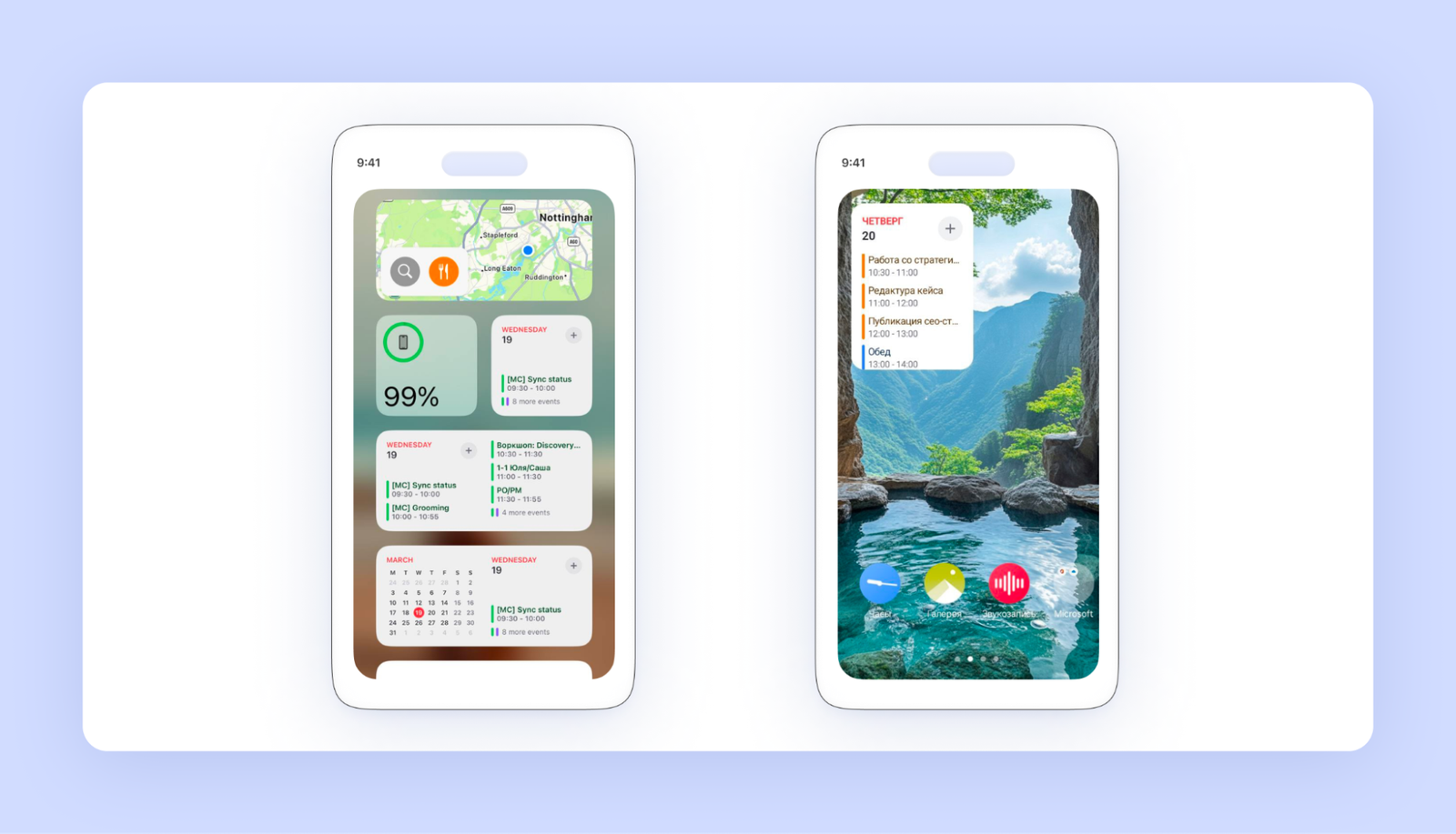
In the mobile version of Calendar, you can now see the availability of colleagues. You can check the status on the way to work or from home without going to the web version. Calendar also received widgets: the day's schedule is available on the smartphone's main screen. Push notifications about events have been added for browsers - with the meeting name, time, and a button to navigate. If a Telemost is specified in the event, you can immediately connect to the call.
New settings for group calls have appeared in Messenger: you can now turn off the camera and microphone in advance. This works both in the application and in the browser.
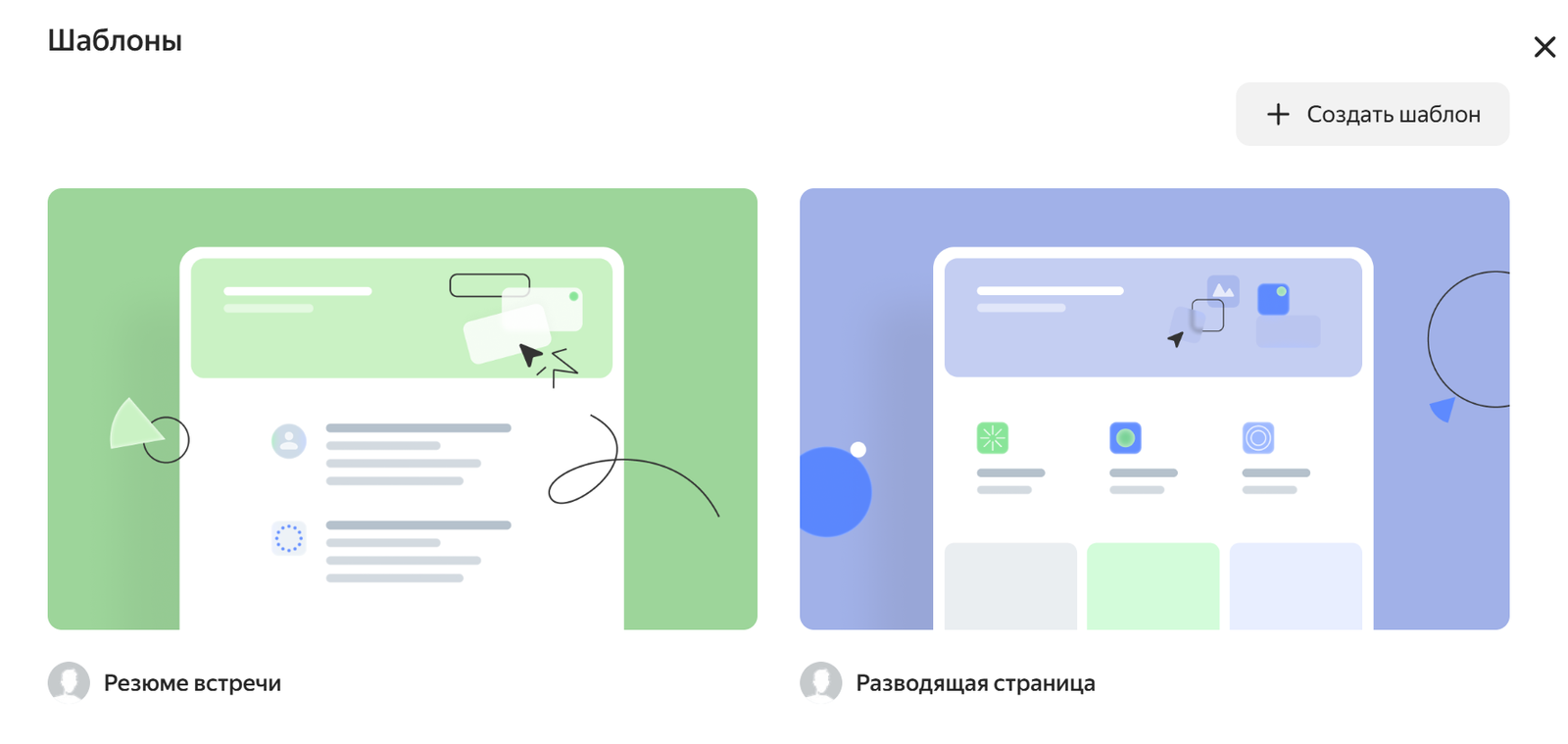
Navigation in Wiki has been simplified: on the desktop, the page content is displayed on the right with reference to the headings. Editing has become faster - you can now create a new page without intermediate steps. The system also started automatically saving drafts. Templates have been added for recurring tasks - you can select the desired option directly in the editor.
In Tracker, the SLA timer can now be used as a condition for triggering a trigger - for example, to change the priority of a task or notify the user of deadlines. In the task card, it is now possible to filter the change history: by authors, parameters, and dates.
A new block has been added to Boards - Administration. It contains information about participants, teams, activities, and actions within the organization.











