Translated with AI from the Russian original.
The new identity is based on the concept of a constructor.

The Yandex team has launched a redesign of Yandex Cloud. According to the company, the changes reflect the transformation of the platform from a set of cloud services into a universal environment for IT product development.
Currently, Yandex Cloud combines more than 75 solutions for various tasks, including infrastructure deployment, AI agent creation, and cybersecurity. Three delivery models are offered: cloud, on-premises (on its own infrastructure), and hybrid.
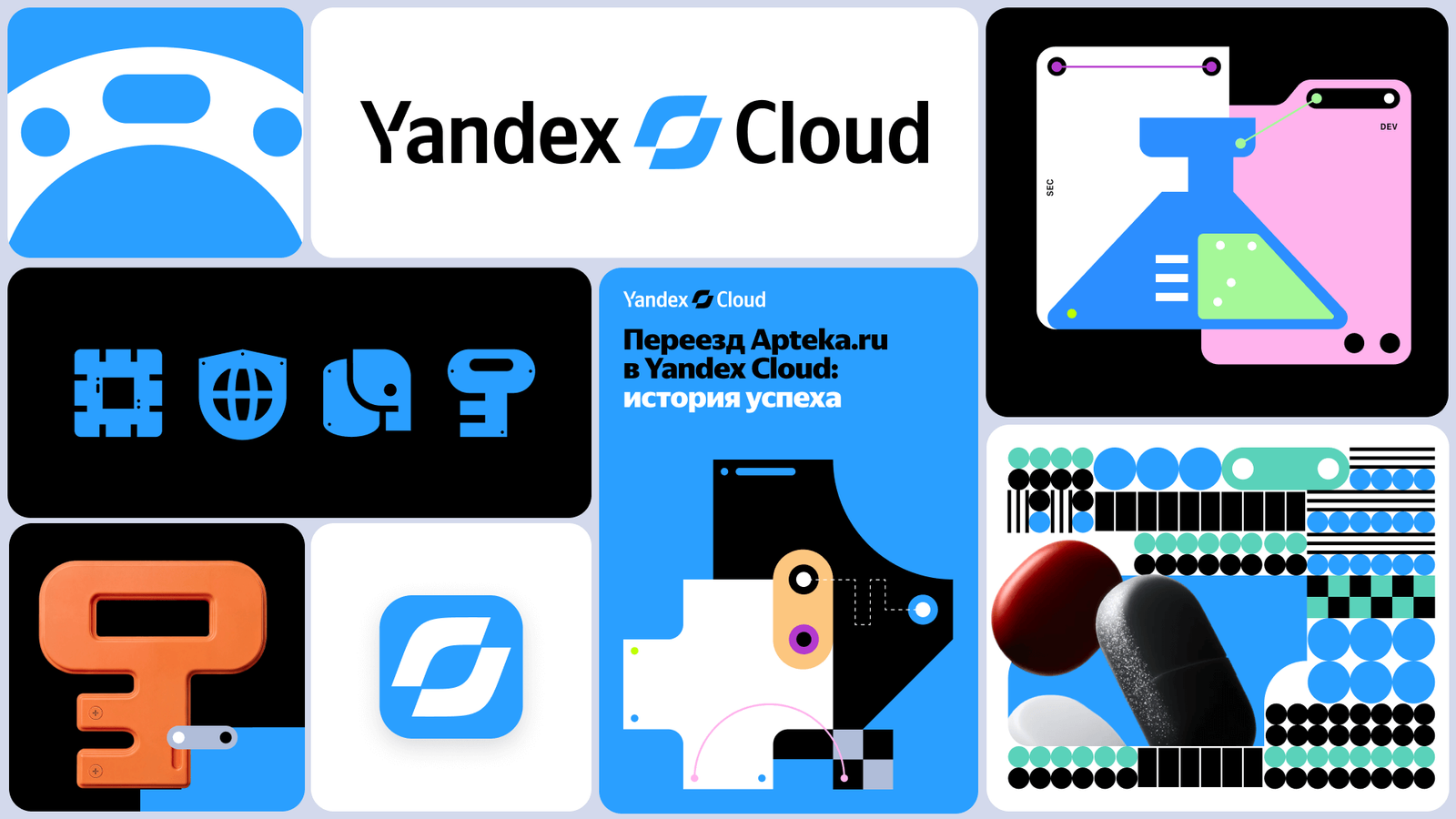
The new identity is based on the concept of a constructor, where individual services and tools are connected to form a technological landscape. Alexander Chernikov, Chief Operating Officer of Yandex Cloud, noted:
The new Yandex Cloud logo, on the one hand, maintains continuity with the old versions and remains recognizable. On the other hand, it conveys meanings that are important to us. For example, you can see customers, the platform, and solutions that arise at their intersection, or the triad of delivery models that are currently used in Yandex Cloud.