Translated with AI from the Russian original.
The device is designed for round-the-clock operation under increased loads and sudden temperature changes.
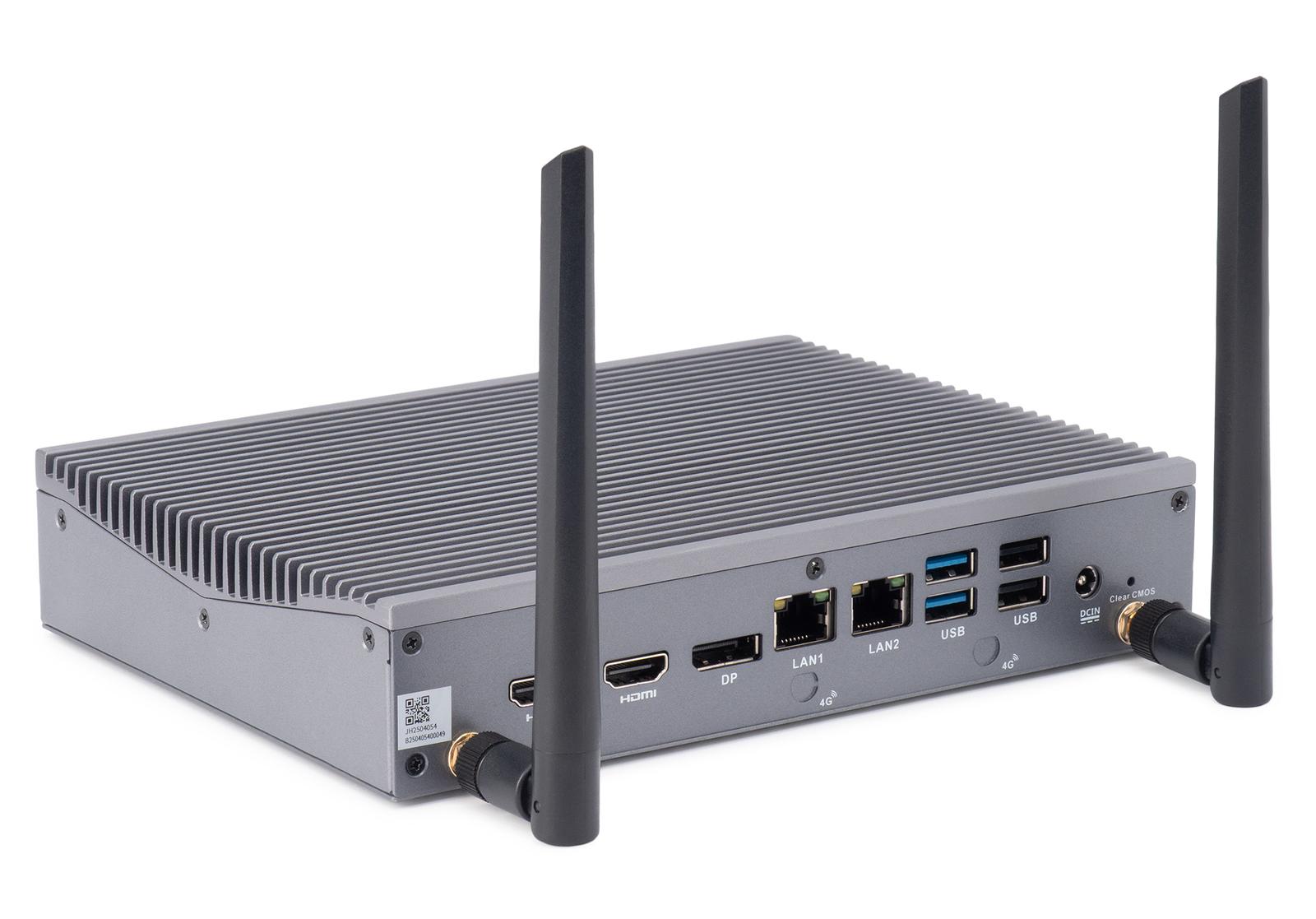
iRU has announced an industrial mini-PC designed for operation in extreme conditions. The new PC is suitable for systems operating in 24/7 mode. It is equipped with a metal case and a passive cooling system, which ensures silent operation of the equipment.
The device supports flexible configuration for customer tasks and can operate in a temperature range from –20 to +60 °C. Depending on the configuration, the model supports RS-232 and RS-232/RS-485 interfaces, Realtek RTL8111H or Intel i210 / i219 network controllers, as well as vPro remote monitoring technology and M.2 format expansion modules for Wi-Fi/Bluetooth, LTE and NVMe drives. The graphics subsystem allows you to connect up to three monitors simultaneously via HDMI interfaces with 4K support and DisplayPort.
The possibility of flexible configuration makes the device suitable for solving a wide range of tasks in various industries, including industrial production, medicine, transport, security and automated control systems.
iRU provides extended warranty service conditions and additional service options, including round-the-clock support and a wide network of service centers throughout Russia.











