Translated with AI from the Russian original.
Businesses receive not just call recordings, but ready-made transcripts and summaries, saving hours of manual work.
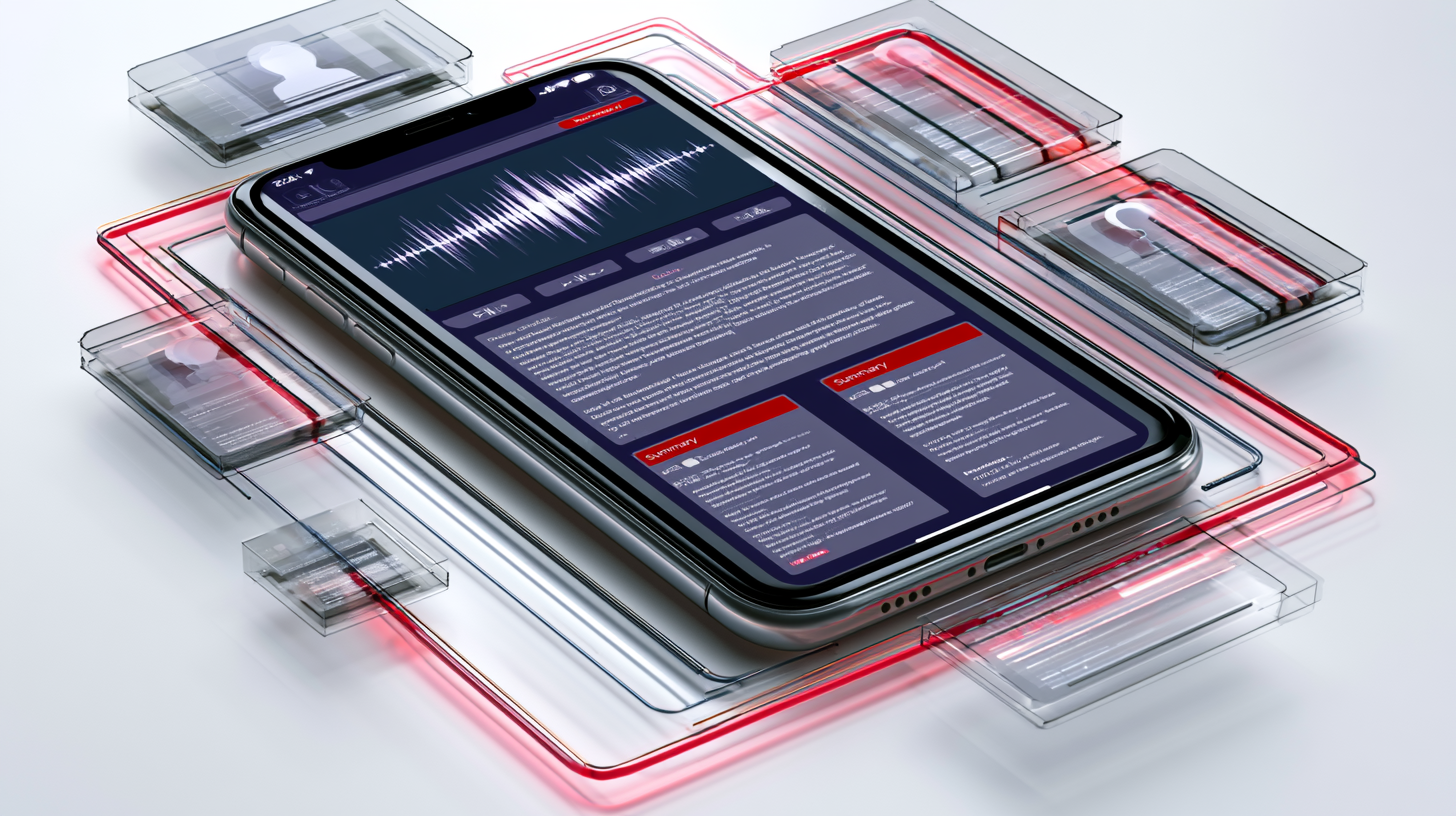
The smart business service "MTS Optimus" has received a new option that allows sharing audio recordings, text transcripts, and brief summaries of phone conversations. Data transfer is carried out exclusively with the permission of users.
The new feature is designed to optimize teamwork. It allows employees to quickly transfer clients to colleagues, and managers to see the full picture of interaction with customers for making management decisions. To grant access, simply send a colleague a link with a request from the web version of the service. At the same time, the user who granted access can revoke it at any time.
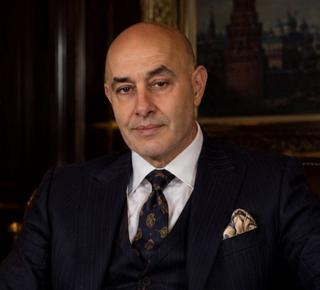
Product Manager Dilyara Butkovskaya explained:
After a conversation, important details remain in the head of one employee: what the client asked for, what price was discussed, when to call back. If the information needs to be transferred to a colleague, it has to be retold orally or written manually. If an employee goes on vacation or changes jobs, the business loses the client altogether. MTS Optimus now allows the manager to see the full picture of negotiations, and the employee to decide whether to grant access.
MTS emphasized that data security is a key principle of the service. All records are stored and processed on the operator's secure servers, and access to them is possible only with the explicit consent of the user. The solution works on corporate and regular mobile numbers.