Translated with AI from the Russian original.
The claimed operating range is from -20°C to +60°C, there is protection against water and dust (IP68), the device can withstand drops from a height of 1.2 m onto a concrete floor.
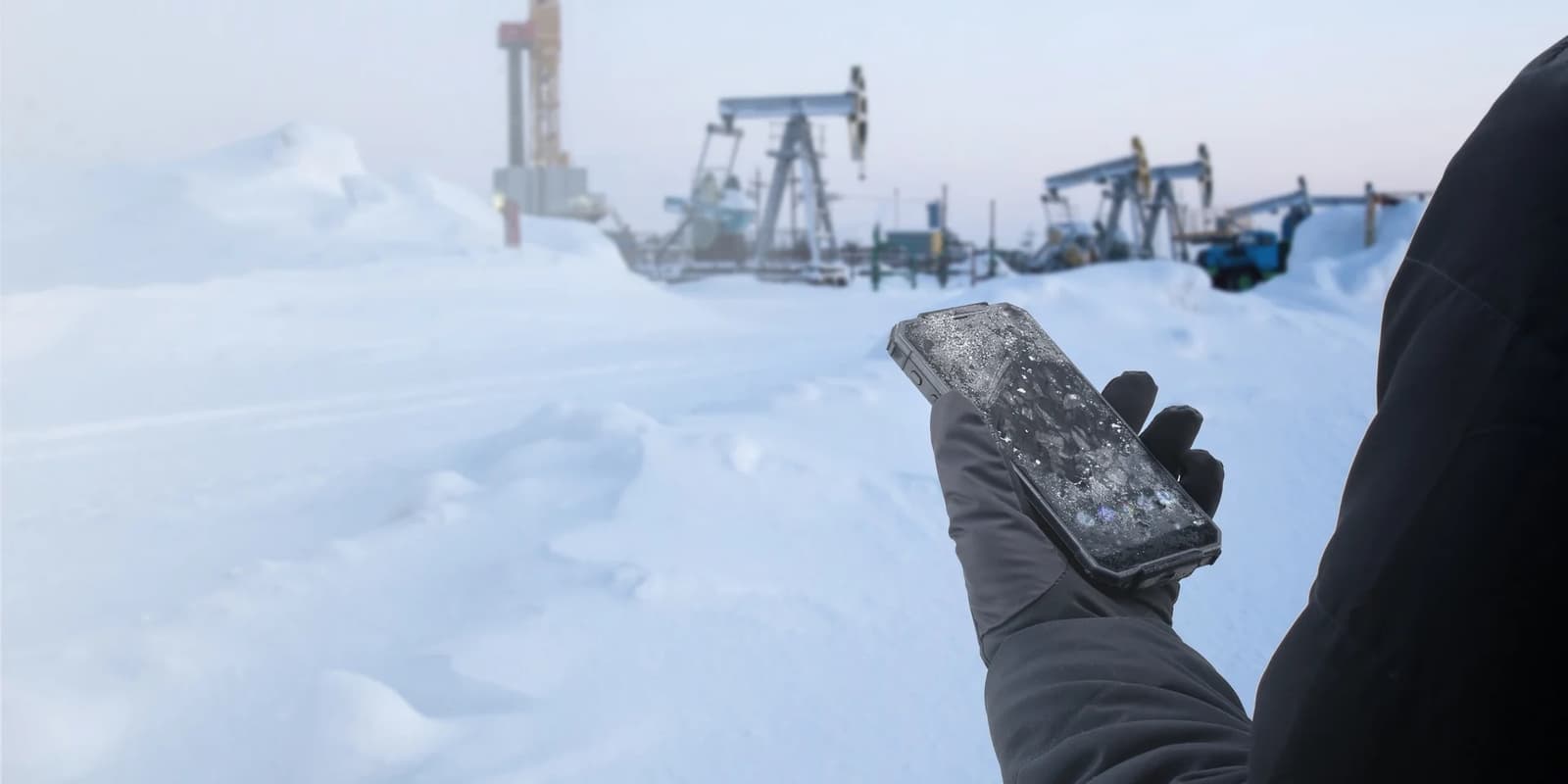
Mobile Inform Group has released the S6 Gen. 2 industrial smartphone, designed to operate for five years or more. The new product is designed to automate the work of mobile personnel in difficult conditions, such as energy, oil and gas, transport, chemical industry and metallurgy.
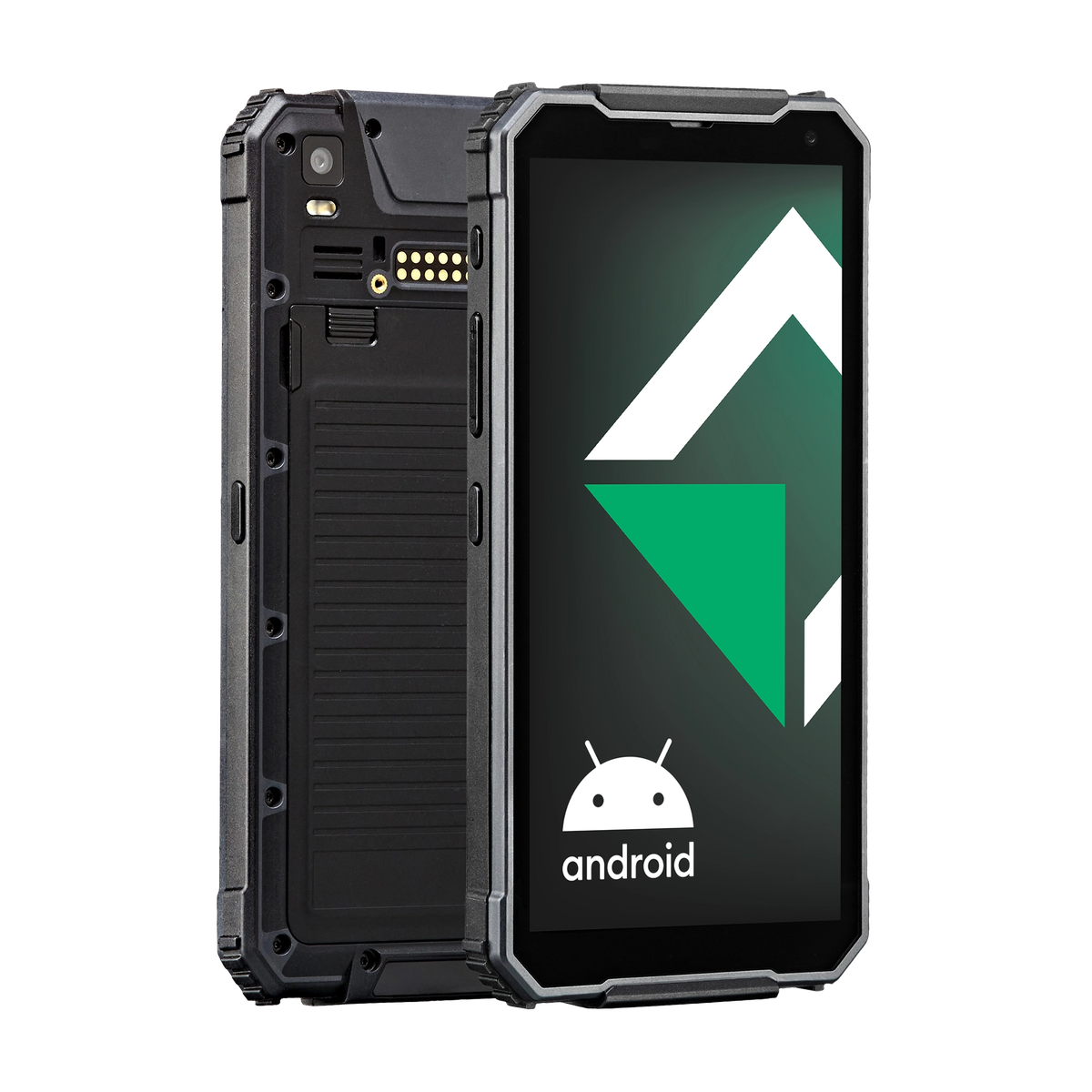
The device is equipped with an 8-core SoC with a frequency of 2.4 GHz (the exact model is not named), 8 GB of RAM and 128 GB of built-in flash memory. Special attention is paid to energy independence: a removable frost-resistant battery of 500 mAh allows you to work without recharging for a full shift, and functionality is maintained at low temperatures.
There is a 20 MP main camera and a 5 MP front camera. The smartphone weighs 270 grams and is equipped with a 6-inch screen with HD resolution (1440 x 720 pixels). 2G/3G/4G (LTE), Wi-Fi (802.11 a/b/g/n/ac), Bluetooth 5.2 (BLE), NFC are supported, there are 2 separate slots for Nano-SIM, GNSS receiver with support for GPS, GLONASS, BeiDou, Galileo.
The smartphone runs on the Android 13 operating system and is equipped with two programmable function keys. The basic warranty is two years, extended service contracts up to five years are available for corporate clients.