Translated with AI from the Russian original.
It is currently undergoing the procedure of being included in the register of the Russian industry of the Ministry of Industry and Trade.
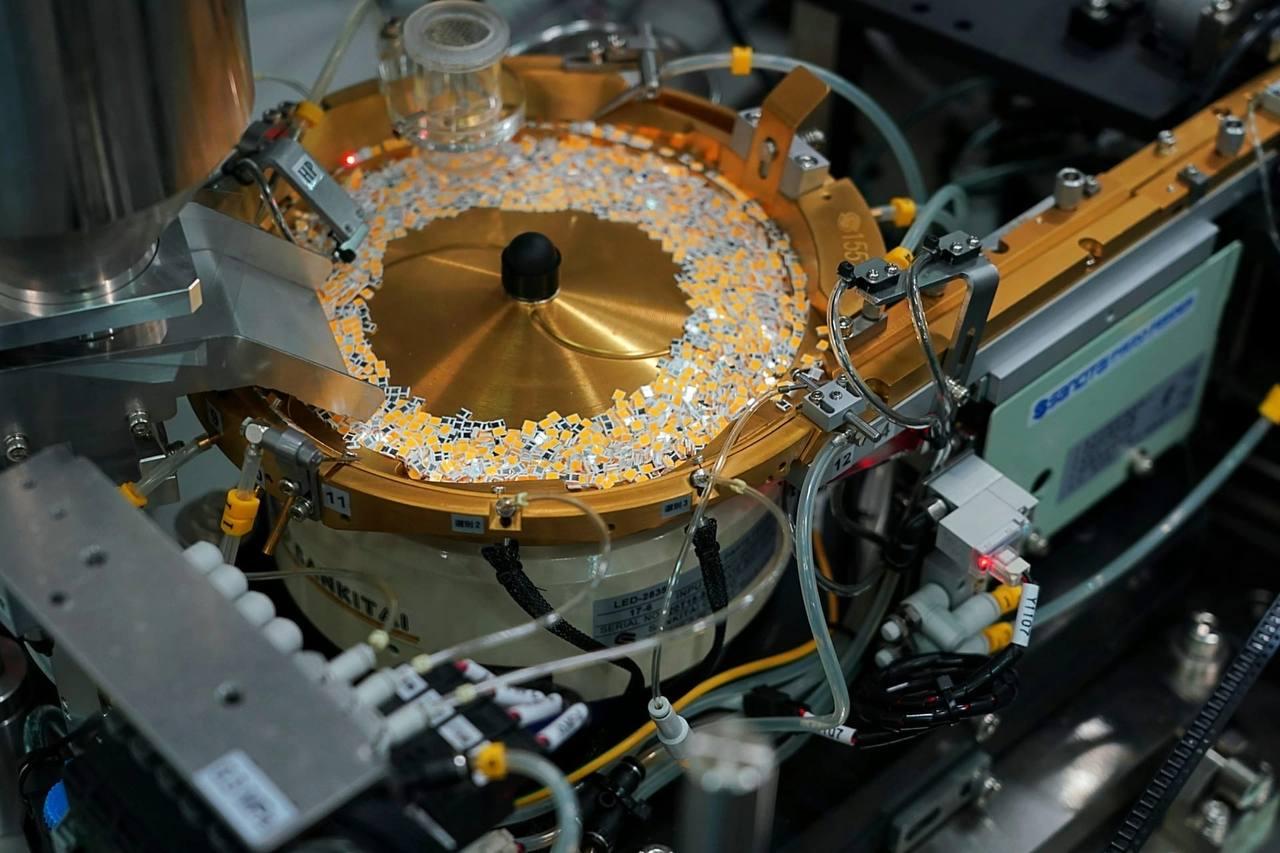
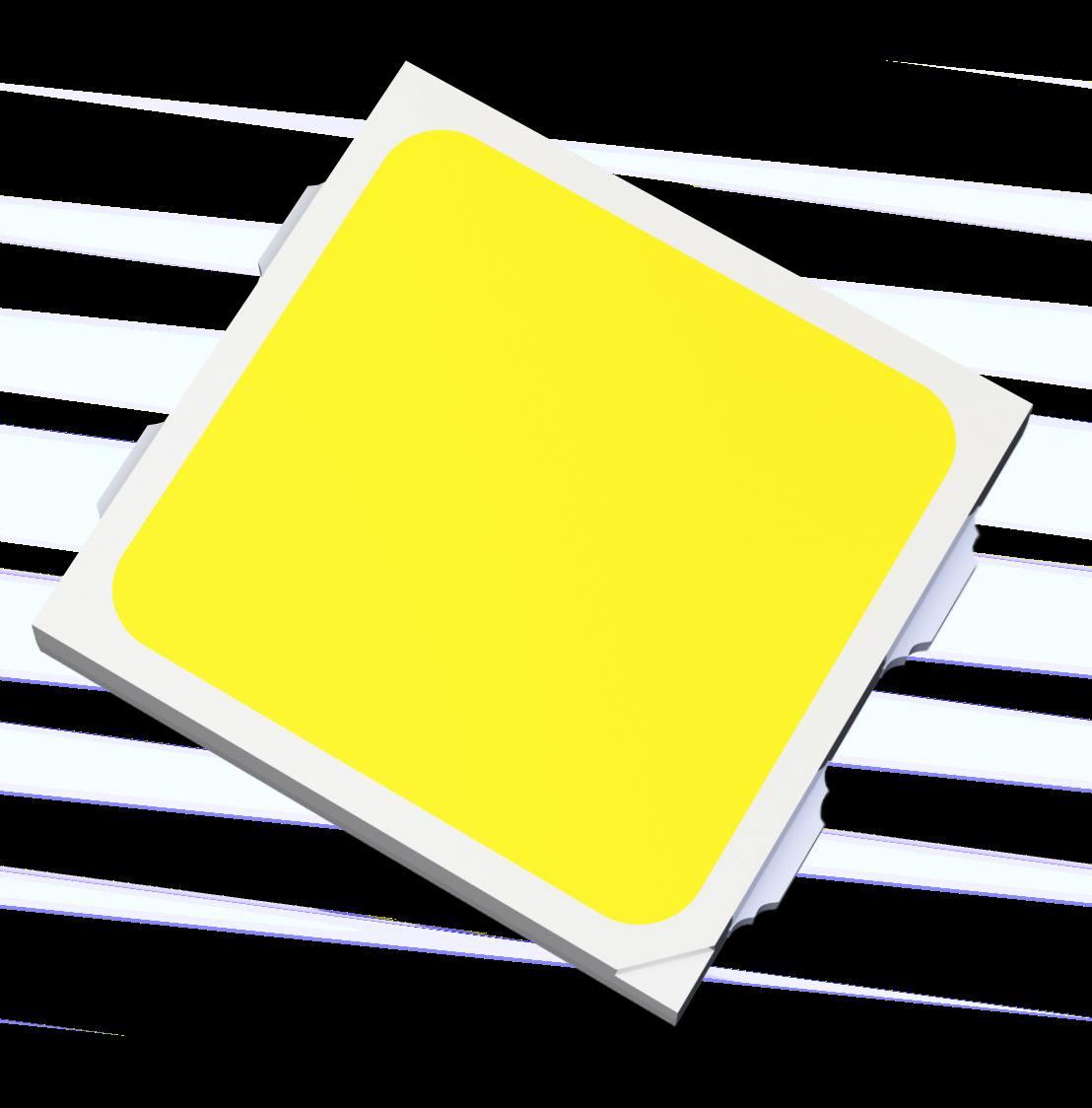
The most powerful Russian-made LED has been developed in the Kaliningrad region. This was reported by the press service of GS Group. The product was created by GS LED and is intended for street lighting. It is made in a 5050S package, previously designed for 8 crystals. Engineers were able to place 12 crystals in it, which significantly increased the power and luminous flux.
Andrey Martynov, Executive Director of GS LED, noted that the achievement was made possible thanks to the high competence of employees and the technical capabilities of GS Nanotech. The LED has already passed internal tests and is now being tested by potential customers. After being included in the register of the Russian industry of the Ministry of Industry and Trade, the product can be purchased for use in devices sold under 223 and 44 Federal Laws.
GS LED products are manufactured at the enterprises of the Technopolis GS cluster in Gusev, Kaliningrad region. GS Group's capacities allow producing up to 145 million LEDs per year. The products have been tested in specialized laboratories and are included in the Register of Russian Industrial Products.











