Translated with AI from the Russian original.
According to the "Electrosolutions" company (representative of the EKF brand in Russia), the Teracom line now includes active telecommunications equipment, uninterruptible power supplies, equipment for organizing SCS and data centers.
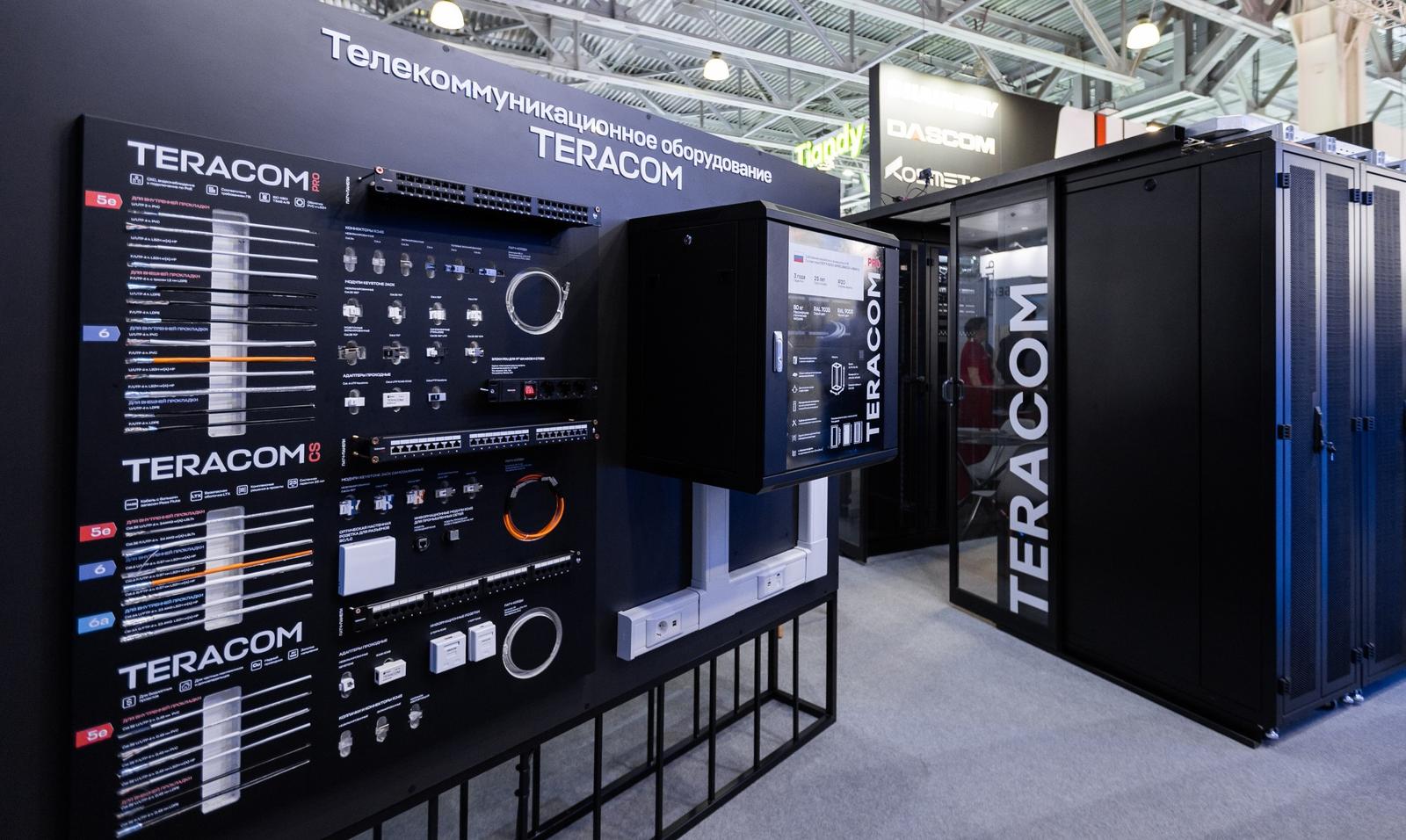
Previously, under the Teracom brand, the company sold components for building copper cable systems from category 5E to 6A: patch panels, patch cords, information cables, Keystone modules, telecommunication cabinets and components for optical systems.
After the reorganization, the line included equipment for active telecom: managed and unmanaged switches with PoE support of L2, L3, access/core level, and so on. Multi-port stackable switches of different levels of access, aggregation and core are presented. There are both budget models for use in commercial facilities, and highly loaded aggregation and core switches for use in the network infrastructure of data centers and in industry.
Single-phase and three-phase UPS of small and large capacity, including modular devices, will also be offered to the market as part of the Teracom line.











