Translated with AI from the Russian original.
The Global CIO professional community of digital transformation leaders has summarized the results of the "Top 100 IT Leaders 2025" rating. Anton Shakhovskoy, IT Director of "Electrosolutions", representing the EKF brand in Russia, was among the winners.
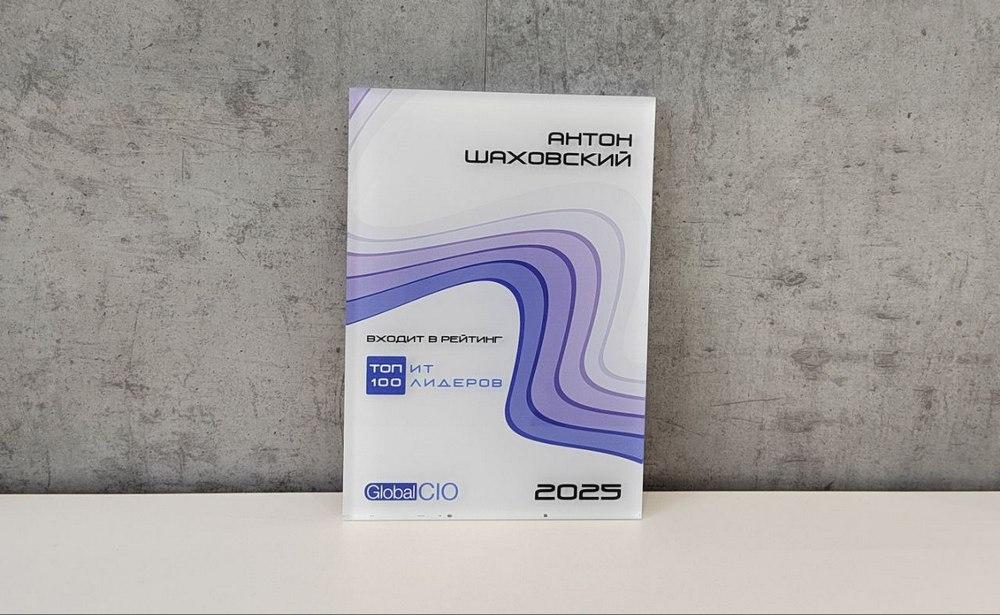
The award ceremony for the winners took place on May 28, with more than 150 people participating.
The rating included 285 candidates from among senior managers and IT directors. The finalists were determined by 9327 votes.
Anton Shakhovskoy is an expert in the field of strategic and operational management of corporate IT. His competencies cover the creation of IT ecosystems, the transformation of business processes, the implementation of Agile and Scrum methodologies, as well as the management of projects and digital initiatives.
In his position as CIO at "Electrosolutions", Anton leads digital transformation, paying special attention to process automation and the implementation of large systems such as ERP, MDM, DWH and BPMN. He is also actively involved in the development of client and corporate services. Under his leadership, the divisions were reorganized based on Agile principles, cross-functional Scrum teams were created, and regular sprints and retrospectives were introduced.
Anton also develops a business partnership system to improve interaction between IT and business units, as well as optimizes and automates key business processes.











