For the successful construction of an oil well, it is critical to accurately control the movement of drilling equipment, especially when the distance between the starting point of drilling and the rock layer containing oil and gas reaches several kilometers. In this case, methods for transmitting data on the condition of the well and the tool are very important to avoid accidents and other situations.
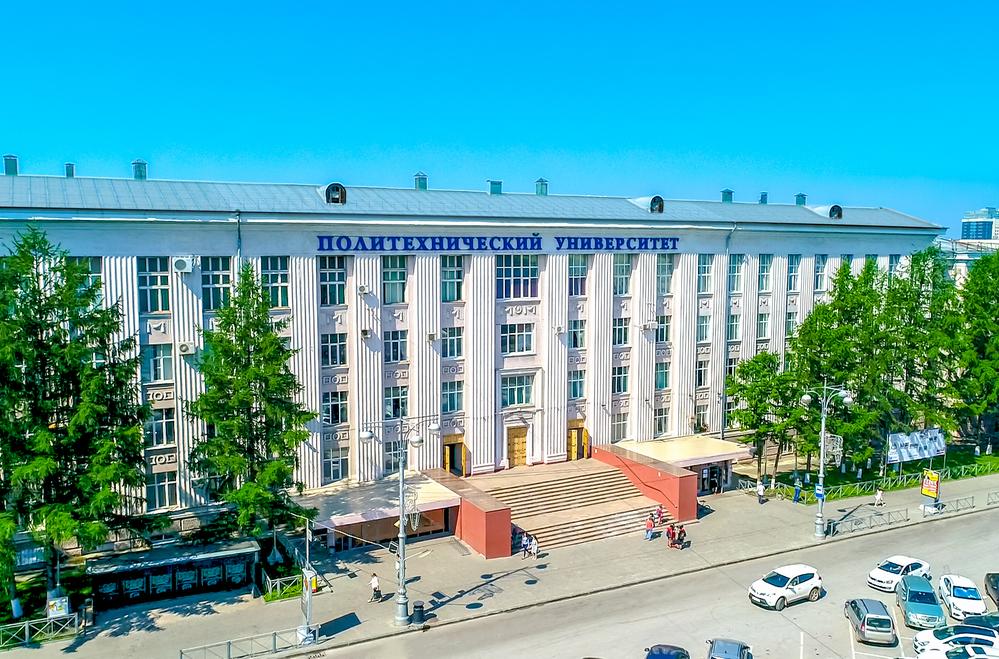
However, traditional methods in deep wells can fail: cables twist around the drilling tool and break, radio waves do not pass through the earth, and equipment noise drowns out sound signals. Scientists from the Mining and Oil Faculty of PNRPU have introduced a technology for transmitting data through drilling mud, which is usually pumped into the well to cool and clean the tool, into a previously created unique complex for well construction. This solution provides stable communication at great depths, is not afraid of vibrations, noise, and is 1.5-2 times cheaper than foreign counterparts.
Drilling mud is the most important component of the well construction process, which performs many functions: it cools and lubricates the drilling tool, reducing friction between it and the well walls, and also removes heat, preventing it from overheating and premature wear. Another task of the solution is to remove sludge (destroyed rock) to the surface.
Scientists from the Mining and Oil Faculty of PNRPU decided to use the liquid as a communication channel. To do this, they introduced a pulsator into the previously created wellbore trajectory control system on fiber optic gyroscopes - a mechanical "plate" that is attached to the drill string and blocks the flow of solution with a given frequency, creating hydraulic pulses (water hammer). They are converted into binary code (0 and 1), where each hydraulic shock is a signal. They, like Morse code, carry digital information about drilling parameters. For example, a series of ones means a long burst of pressure.
At high speed, the signal reaches the surface, where highly sensitive sensors record the slightest changes in pressure. Then, special software, also developed by Polytechnic scientists, filters noise and deciphers the data, displaying information about the movement on the screen. As a result, the operator receives an accurate three-dimensional picture of the drilling trajectory in real time on the monitor.
Currently, the system is undergoing industrial testing at deposits in the Perm region. This technology opens up new opportunities for safe and accurate drilling of complex wells, significantly reducing risks and economic losses.