Translated with AI from the Russian original.
Joint tests have shown that the combination of USB tokens and smart cards "Rutoken EDS" 3.0 and PAC "Sobol" creates a holistic secure environment.
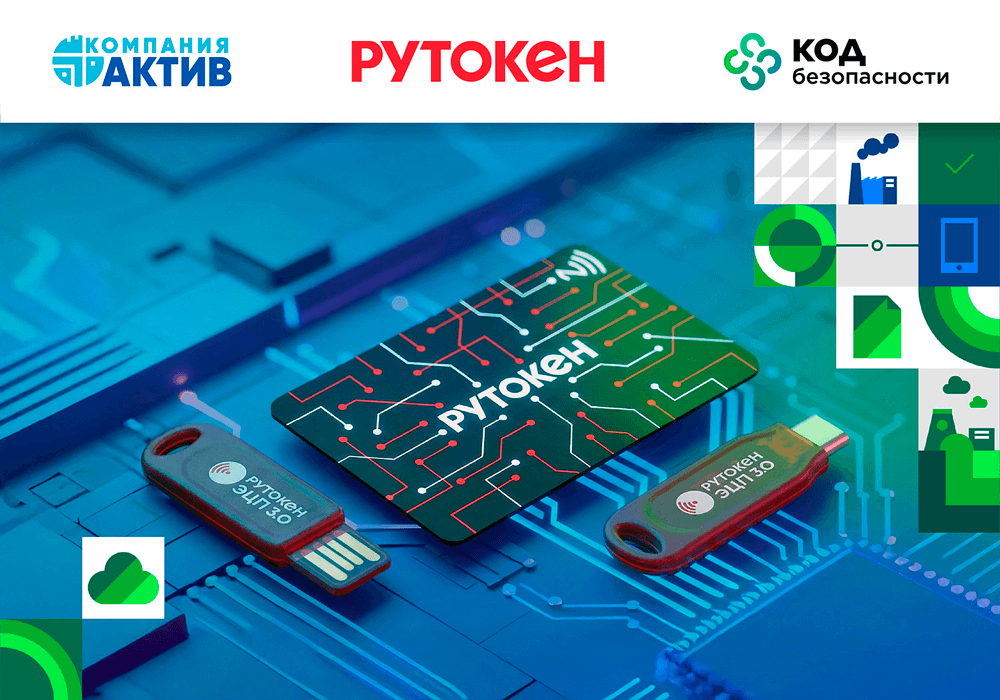
"Code of Security" and "Aktiv" company have confirmed the compatibility of PAC "Sobol" with "Rutoken EDS" 3.0 devices. The hardware and software complex "Sobol" protects the computer from unauthorized access and provides a trusted boot of the operating system. It is certified by the FSB and FSTEC of Russia, which allows it to be used to protect information in automated systems up to protection class 1B inclusive.
"Rutoken EDS" 3.0 devices provide two-factor authentication, requiring the physical presence of a token and entering a PIN code. Electronic signature keys are stored in a non-extractable form, which minimizes the risk of their compromise. These devices support operation on PCs and mobile devices running Android, iOS and "Aurora".
Ksenia Shavrova, Head of Technological Partnerships at Aktiv, noted that joint tests have demonstrated the functionality of the combination of USB tokens and smart cards "Rutoken EDS" 3.0 with PAC "Sobol". This solution provides protection against unauthorized access and ensures the integrity of key information at all stages of operation.











