Translated with AI from the Russian original.
The new terminal has already been registered in the register of the Ministry of Industry and Trade of Russia and has successfully passed certification for compliance with Russian and international standards.
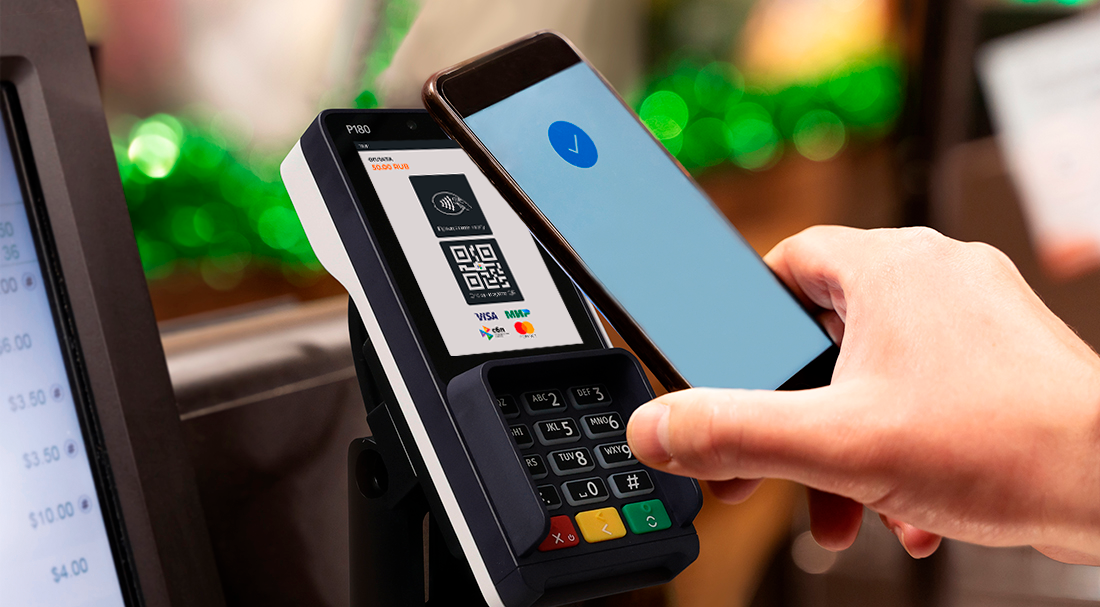
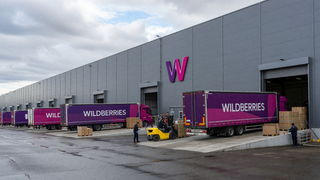
Production of the first domestic PIN-pad R180 has started at the plant of the Russian developer and manufacturer "Inferit". The device was developed by "Somers", which is also part of the Softline group of companies, specializing in the field of cashless payments. In 2025, it is planned to produce at least 60 thousand devices for the markets of Russia and the CIS countries.
The device is specifically designed for large and medium-sized retailers where high customer service speed is required. Thanks to integration with cash registers, PCs and inventory management systems, the PIN-pad automatically receives the purchase amount, does not require manual entry on the payment device and speeds up the payment process. The device supports all modern payment methods, including NFC and a fast payment system.
The design takes into account the specifics of intensive use in trade: rubberized buttons ensure durability, and cable connection guarantees fast transaction processing. The device has undergone comprehensive certification, including verification of functionality, data security and compatibility with Russian and international payment standards.