The warehouse robotics market in Russia is actively developing: companies are increasingly considering automation as a tool to improve efficiency and reduce costs. The key drivers for implementing robotic solutions are project economics and payback period - these parameters currently determine the choice of technologies.
Businesses are undergoing modernization for two main reasons:
- Reducing costs for external warehouses. Many manufacturers (including those from the FMCG, food, and household segments) rented additional sites within a 30 km radius of their main location (2–5 thousand sq. m each) during periods of growth. Managing such a network with the required service level (SL) becomes a complex task – this pushes companies to strengthen their main warehouses through robotization. Rental costs, transportation, and loading/unloading operations are factored into the modernization's payback period.
- Staff shortage. Warehouse employee salaries remain high, so replacing manual labor with robots for repetitive operations is economically justified.
Payback periods and business objectives influence the choice of technologies:
- Up to 3 years. Automation of simple routine operations (moving goods from receiving to storage and back) using AMR and FMR robots. Provided they operate in busy areas and use Russian-made equipment (eligible for a 50% government subsidy program), the payback period can be 7–9 months for AMR.
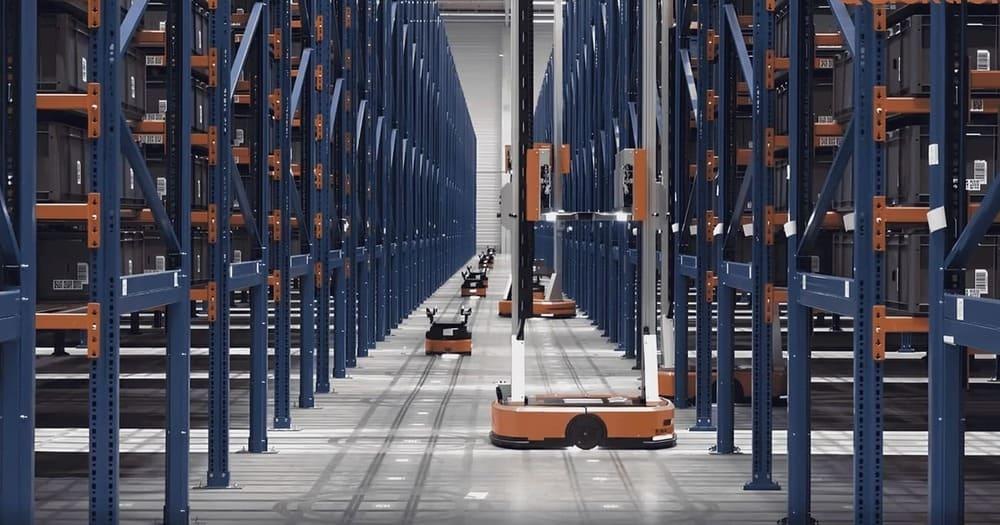
- 5–8 years. Large-scale projects covering the storage area, aimed at independence from external warehouses and increasing the capacity of their own site. Here, combinations of AS/RS systems with floor robotics are in demand: 3D shuttles, stacker cranes with satellite shuttles, or floor robots.
Top 5 robotic solutions in demand in Russia:
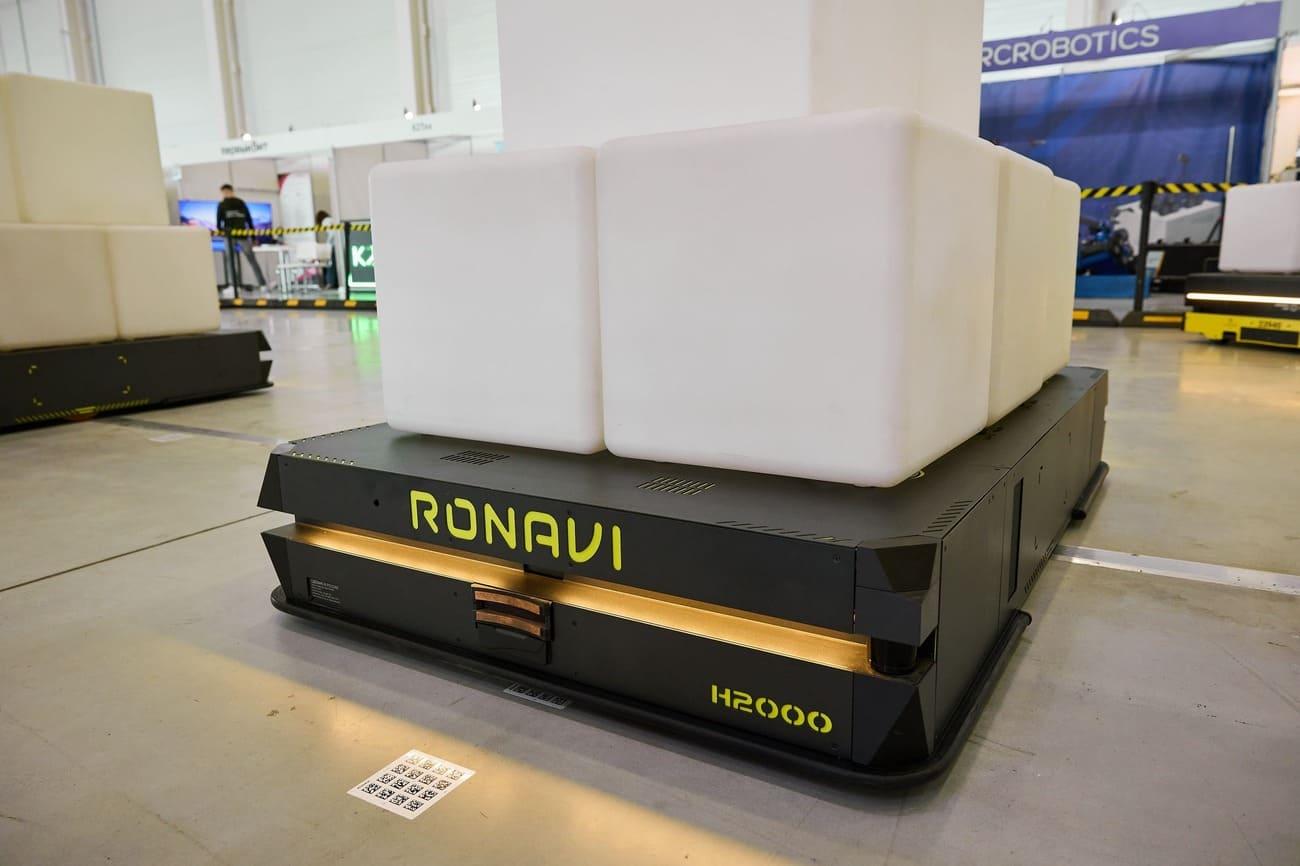
1. AMR robots (Ronavi Robotics, etc.):
- replace 1–4 employees for cargo movement;
- reduce picker travel (up to 80% of the time);
- integrate with other systems (shuttles, stacker cranes).
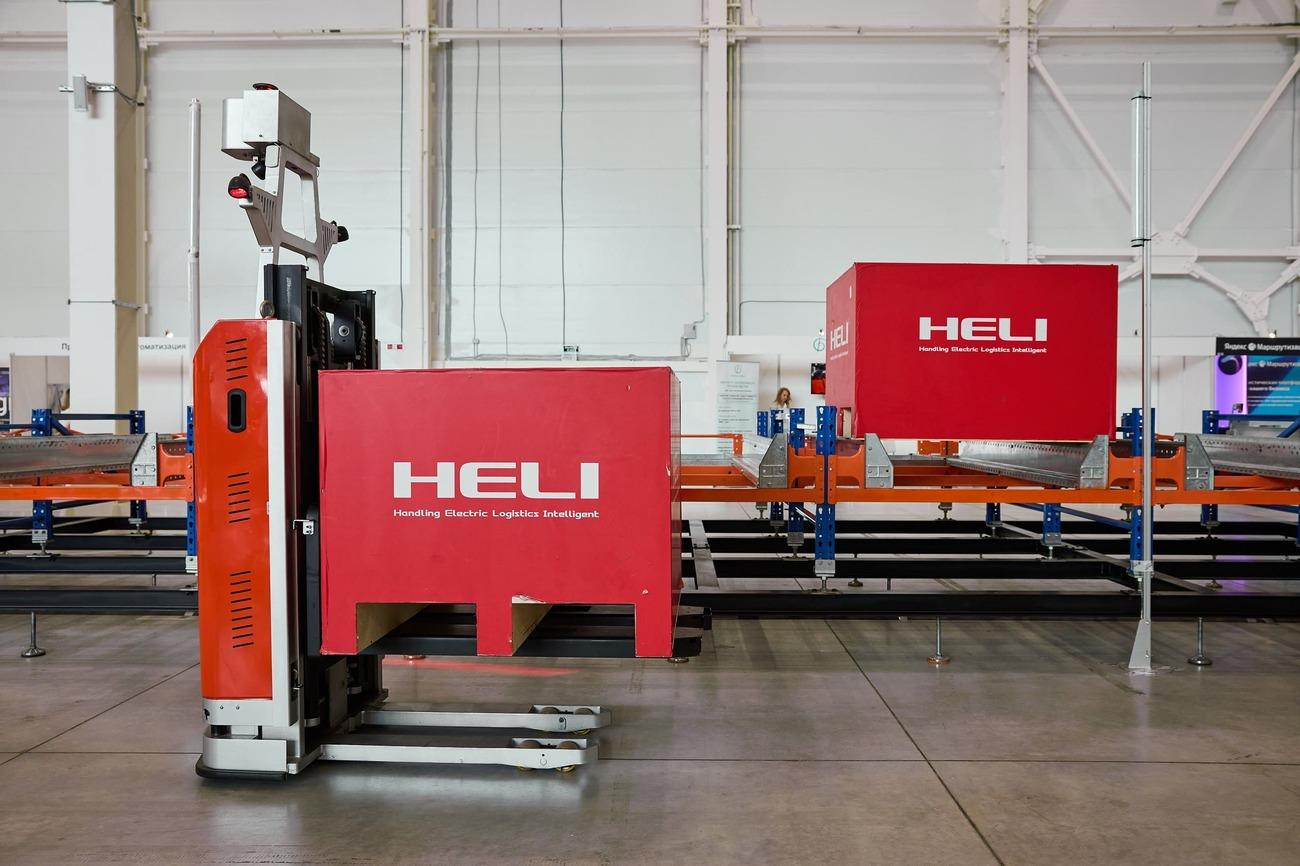
2. FMR robots (Asia MH, etc.) with fork attachments:
- reduce personnel needs by 70–80%;
- require precise software for reliable pallet gripping, including those with overhanging stretch film; leading vendors offer solutions that eliminate this limitation.
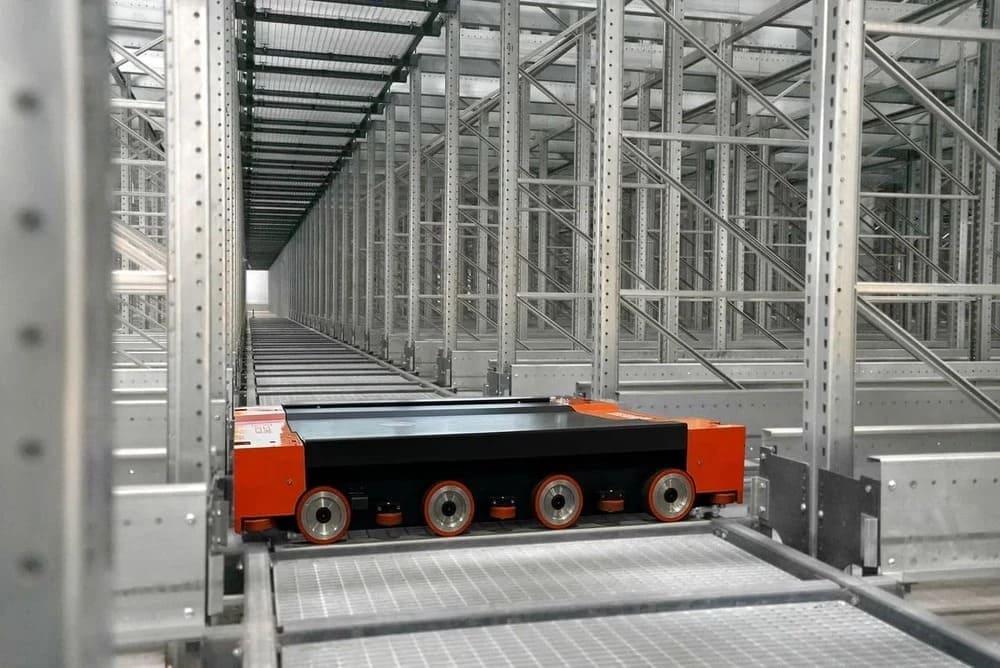
3. 3D shuttles (STELKON, etc.):
- increase warehouse capacity by 50–70%;
- almost completely eliminate the need for reach truck operators;
- are characterized by high capital intensity and long implementation periods (from 8 months).
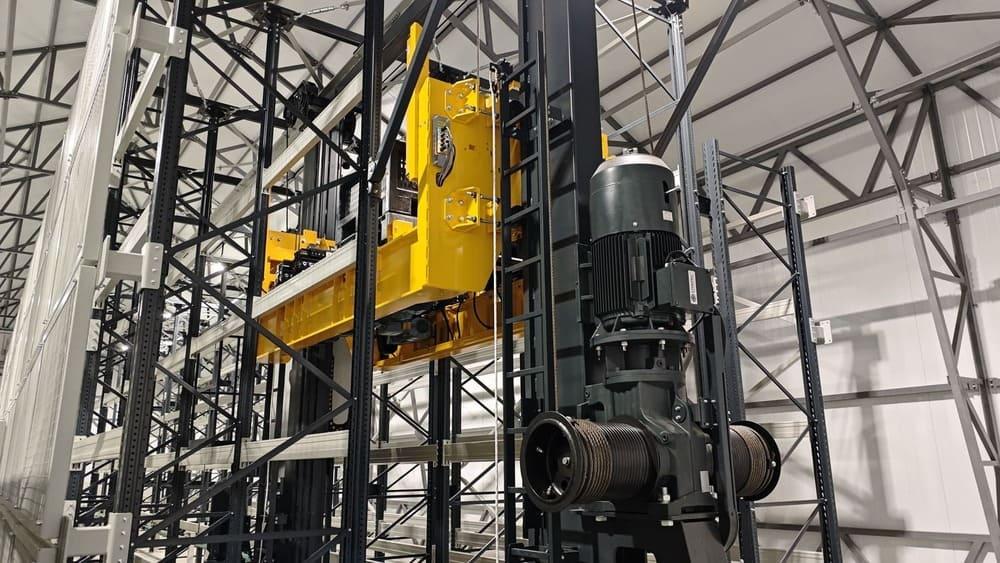
4. Stacker cranes (DiKom, etc.):
- provide storage density up to 2.5 m³ per m²;
- reduce personnel needs by 2.5–3 times;
- require significant investment and long implementation (from 8 months).
5. ACR + LMR in the FAST-PICK system (NTLS, etc.):
- reduce the number of pickers from 30 to 10 operators;
- reduce picking errors by 90–95%;
- increase storage density by 30%;
- scale with business growth.
ReIndustry Expo provides an opportunity to see and evaluate technologies that market leaders are already implementing and that will become standard practice for most companies in 2–3 years. This is a chance to study in advance the solutions that will soon become a prerequisite for competitiveness.
The exhibition will be held on June 24–26 at Timiryazev Center (Moscow). Registration is free with promo code RE468PRS3 until June 24. More detailed information can be found on the official website of the exhibition.
erid: 2VtzqvTjvU1
Advertisement. OOO "KSL Expo" INN 9714062070