Translated with AI from the Russian original.
The development is designed to address the problem of increasing workload on specialists.
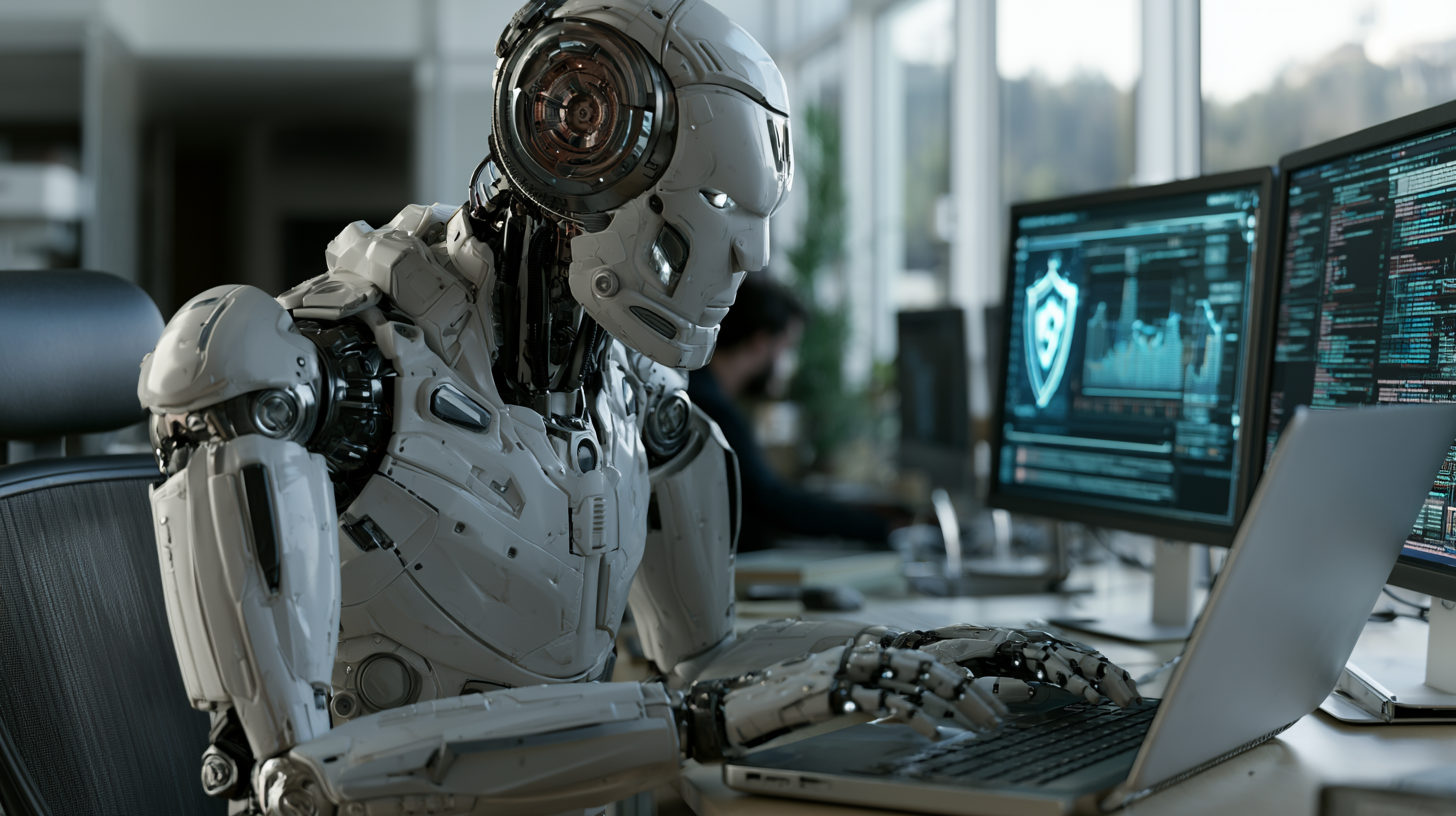
Positive Technologies has introduced PT Naira, a specialized artificial intelligence-based assistant designed to automate routine tasks in cybersecurity.
The new tool, integrated into MaxPatrol SIEM and PT BlackBox Scanner systems, has demonstrated a 50–60% acceleration in incident investigation during pilot projects.
Alexander Mamylov, Head of the ML Event Analysis Group at Positive Technologies, explained:
Attackers are already augmented by artificial intelligence and, unlike us, are not bound by rules, regulations, or morality. Therefore, our task is to provide information security engineers with tools that allow them to repel increasingly sophisticated attacks on equal terms.
PT Naira lowers the entry barrier for junior employees and reduces the risk of human error. The assistant can create complex rules for monitoring systems from scratch, reducing their preparation time from several days to tens of minutes. In addition, it analyzes process behavior, identifying the masquerading of malicious activity as legitimate actions, and converts technical reports on found vulnerabilities into clear instructions for their remediation.
Unlike universal models, PT Naira operates in an isolated, secure company cloud, which does not require additional approvals from the security service when connecting. In the future, the assistant will be integrated into other vendor products.











