Translated with AI from the Russian original.
The ecosystem is aimed at corporate and government customers.
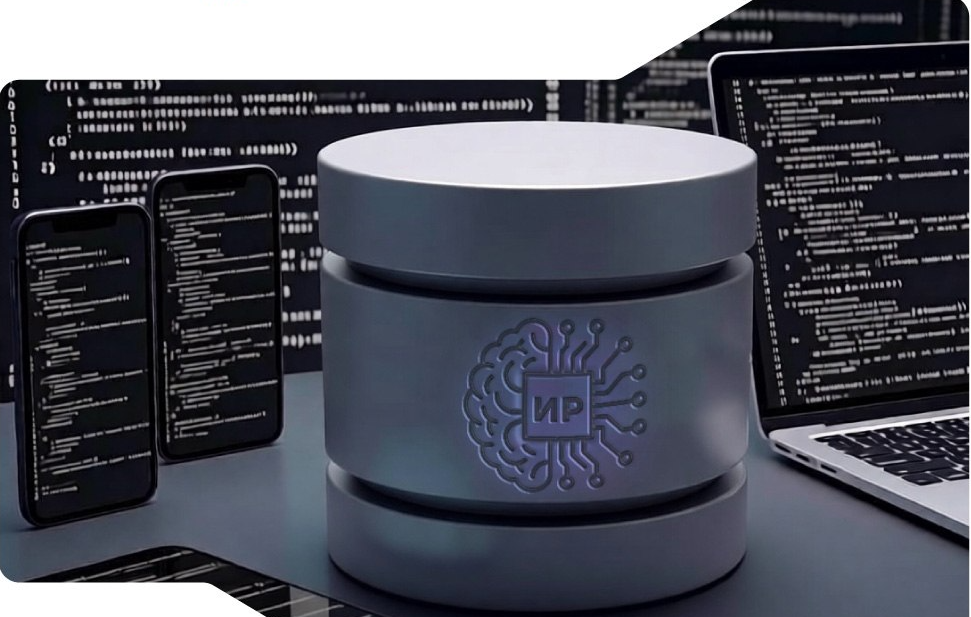
RED SOFT company has introduced a new ecosystem of software solutions designed to enhance digital culture. It is based on three proprietary products: the "Digital Assistant" operating system, the "Artificial Intelligence" (AI) core, and the "RED Knowledge Center" corporate storage.
The "Artificial Intelligence" is based on a three-level architecture built on the principle of a distributed cognitive model, similar to human thinking. As the developers explained, "Artificial Intelligence" provides not just search, but a deep understanding of context and decision-making support, using a unified knowledge base.
At the same time, the operating system with integrated AI on user devices ("peripheral intelligence") allows data to be processed locally, ensuring quick response and confidentiality.
Digital assistants embedded in the OS automate routine tasks, analyze information, and help make competent decisions, relying on verified data from the secure perimeter of the "RED Knowledge Center".
Another feature of the platform is the principle of mutual exchange with the scientific community. As explained by the company, more than 300 universities and research institutes act simultaneously as data sources for the "RED Knowledge Center" and its consumers. Currently, the company invites scientific and industry organizations to participate in populating the national knowledge base for the development of "Artificial Intelligence".











