Translated with AI from the Russian original.
The new complex is designed for resource-intensive tasks, including high-load applications, virtualization environments, large database processing, and artificial intelligence projects.
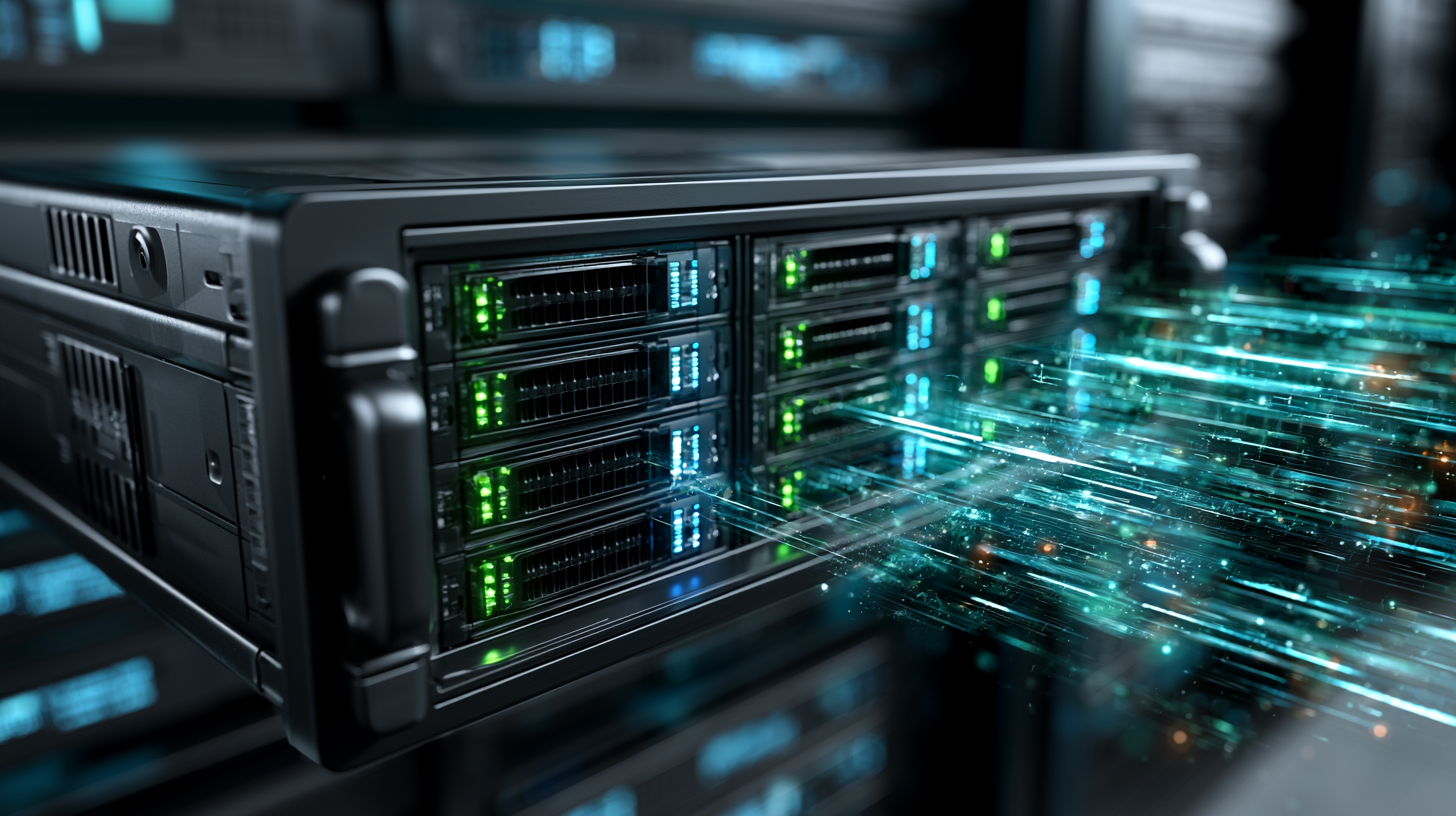
Russian companies Amur and Raidix have introduced a new hardware and software complex (PAK) for high-performance computing. The solution is based on the Amur TERRA A02R02 12S server and Raidix ERA 4.3 software.
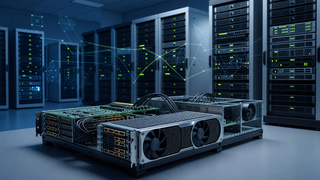
The PAK is based on a server platform with two fourth-generation Intel Xeon processors and DDR5 RAM. The system comes in a basic configuration with 12 solid-state drives, with the possibility of scaling through external disk shelves.
High performance and reliability in data operations are ensured by specialized software. The Raidix ERA software RAID array uses algorithms for efficient operation with SSD and NVMe drives, which increases performance and overall system fault tolerance.
It is noted that the Terra hardware platform is included in the register of the Russian Ministry of Industry and Trade, and the Raidix ERA software is included in the register of the Russian Ministry of Digital Development.