Translated with AI from the Russian original.
The verification process takes about a minute.
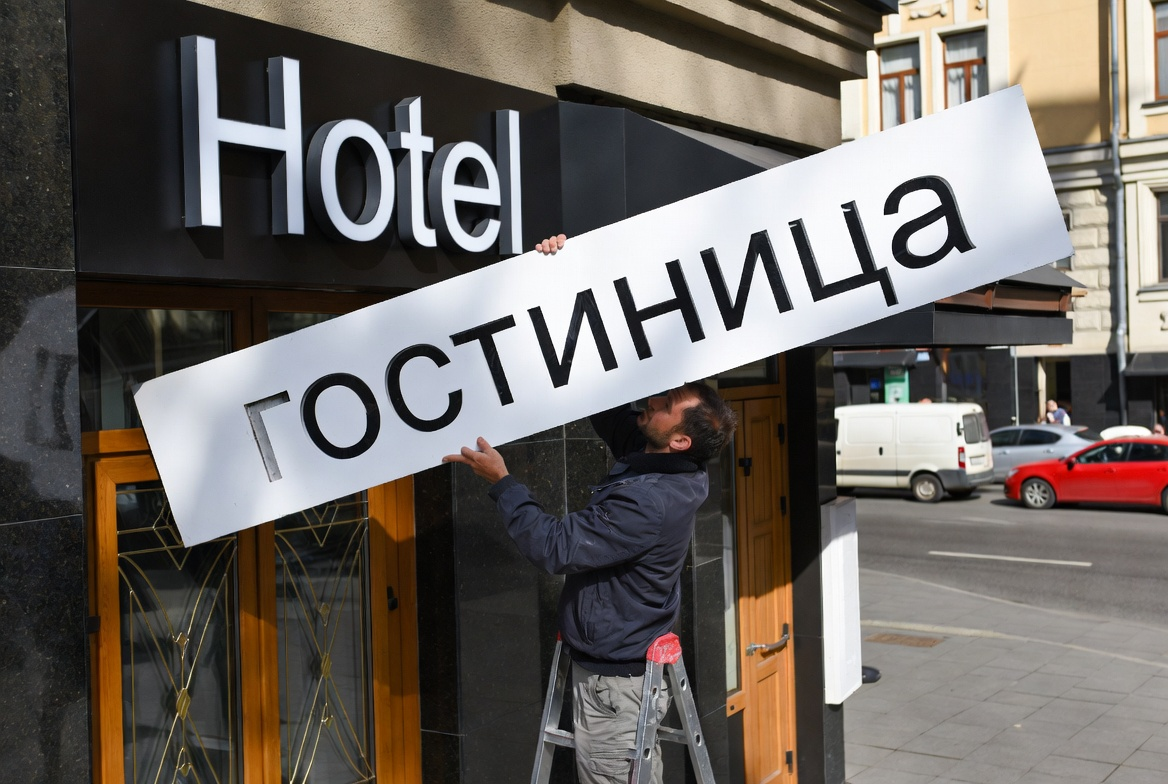
A free service for checking signs for compliance with new legal requirements has been launched in Moscow. This was reported by the Moscow Department of Economic Policy and Development. The electronic assistant, developed with the participation of experts from ANO "Mosstrategy", is located on the official website of the organization and is intended for companies operating in the consumer market and using foreign words in their names and professional terminology.
Changes came into force on March 1, 2026, prohibiting the placement of information intended for public viewing in foreign languages without translation. The restrictions apply to signs, pointers, company websites and catalogs. The service is an interactive self-assessment tool that allows you to assess the correctness of information design.
The user answers questions and receives a report with recommendations for correcting the names on the signs. The idea is that this will help to quickly bring them into compliance with legal requirements and reduce the risks of administrative sanctions. The service is free and aimed at a wide audience of entrepreneurs working in the field of trade and services.