Translated with AI from the Russian original.
"Gosklyuch" is a free mobile application developed with the participation of the Ministry of Digital Development.
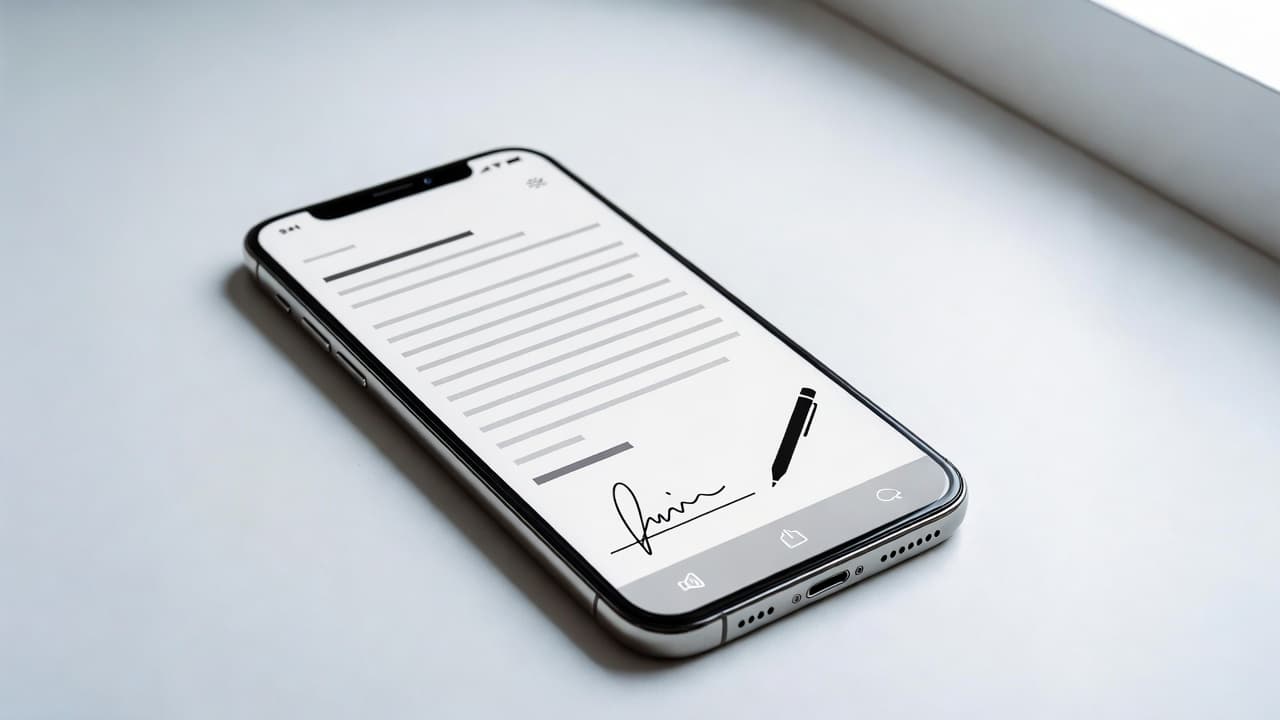
The SKB Kontur team has integrated the document signing function in "Kontur.Diadoc" via the "Gosklyuch" mobile application. Now, employees of organizations can sign documents on their smartphones using a qualified electronic signature (QES).
To do this, you need to install the "Gosklyuch" application, obtain a QES certificate, and add it to the web version of "Diadoc". As the developers noted, at this stage, this is only available to employees of organizations with a qualified electronic signature (QES) certificate for individuals: they can use the application to sign documents from "Diadoc" without being tied to a work computer with a crypto provider.
In the future, it is planned to expand the integration by adding "Gosklyuch" support to the 1C module, an API for integration, and the ability to sign documents in the "Diadoc" mobile application.
As a reminder, "Kontur.Diadoc" is a service for electronic document management with counterparties. It allows you to send acts, invoices, and other documents without the costs of printing, delivery, and storage. It is part of the "Kontur" business ecosystem.