Translated with AI from the Russian original.
Thanks to targeted lead forms, there is no longer a need to go to company websites, search for feedback forms, and spend time filling out data manually.
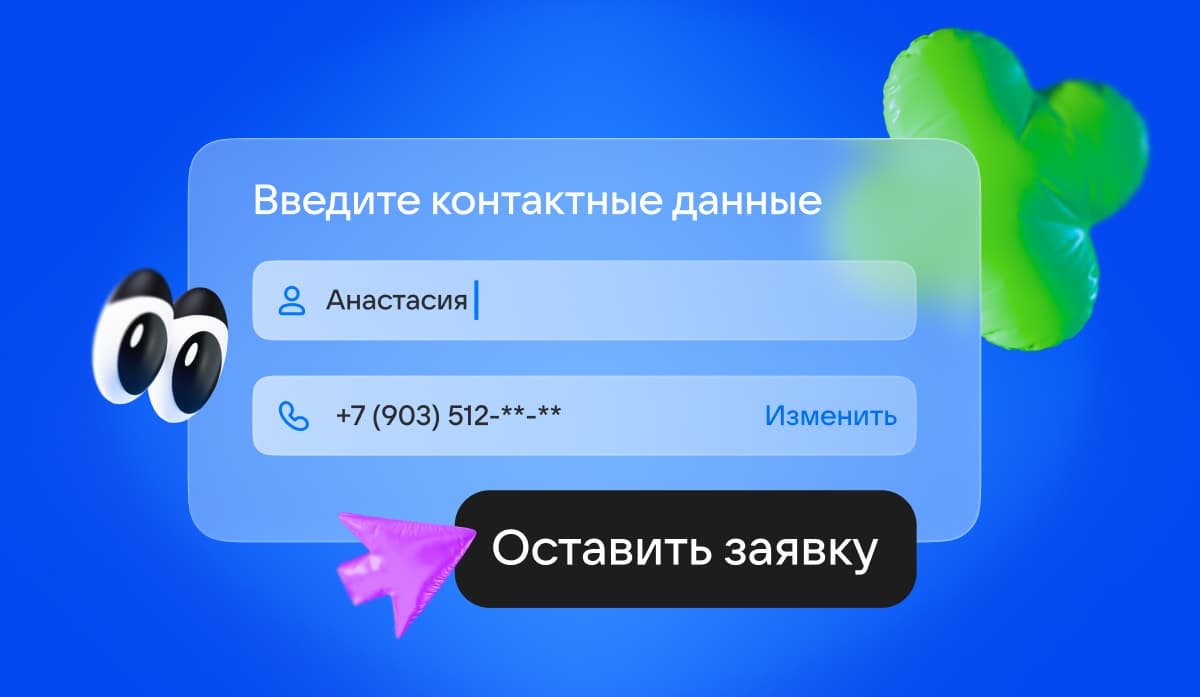
VK Company (formerly Mail.ru Group) has introduced a new function for requesting goods and services from advertising announcements of "Mail Mail". Now users can send requests directly from the service interface without going to company websites. It will take one click in a personalized advertising announcement to check the pre-filled data and send a request. As the company emphasized, the process takes no more than five seconds, and the data is encrypted.
Mail explained that for users this means a faster response from companies and services, and for advertisers - increased conversion and increased probability of sale. Advertisers independently choose the platform and placement where users will be able to see their advertising offer.
According to Margarita Volkova, head of the product monetization direction of "Mail Mail", the new format is especially convenient on mobile devices: lead forms are displayed correctly on smartphones and reduce the risk of errors, long page loading and loss of application.