Translated with AI from the Russian original.
This allows the solution to be used in information systems where mandatory certification of information security tools is required.
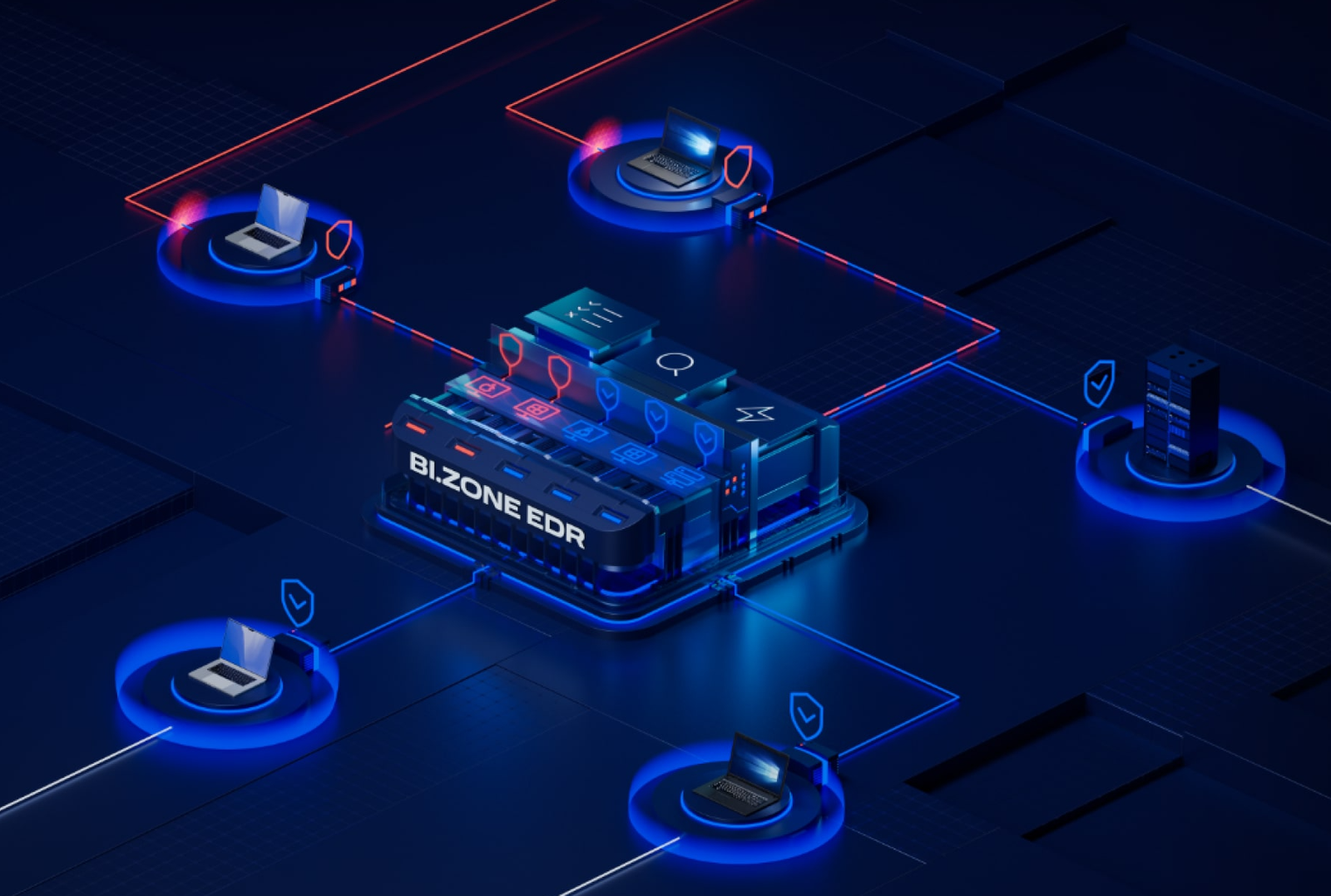
The BI.ZONE EDR solution is designed to detect and investigate complex attacks at early stages of their development. The certificate confirms that the product meets the requirements of the 4th class of protection and level of trust, which allows it to be used in state information systems, critical information infrastructure facilities, and process control systems. In addition, BI.ZONE EDR can be used to ensure the security of personal data.
According to the developers, BI.ZONE EDR currently has over 900,000 installations. In addition to detecting attacks, the product identifies insecure settings in the infrastructure. According to BI.ZONE TDR data, 2 out of 3 corporate computers contain at least one misconfiguration, and 20% of all hosts contain a high-level misconfiguration, allowing an attacker to compromise the entire system in just one step.
BI.ZONE EDR supports operation on Linux, making it compatible with Russian distributions such as OC Astra Linux, Red OS 8, and OS "Alt". The product also has extensive functionality for working with container environments.











