Translated with AI from the Russian original.
UserGate, a Russian developer of information security solutions, has opened a regional educational and research laboratory in Izhevsk at the Udmurt State University (UdSU).
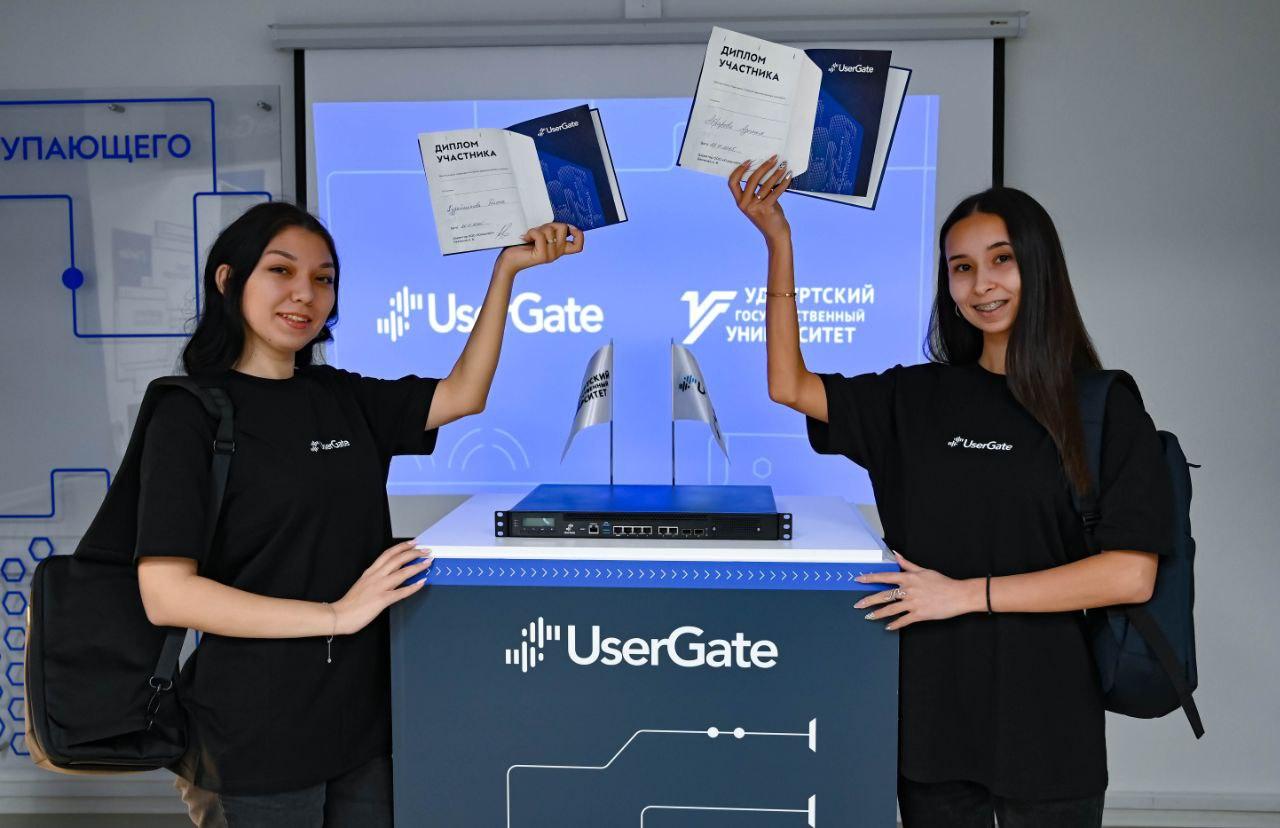
About a hundred students will be able to undergo annual specialized training in it. According to UserGate, future specialists will receive the necessary competencies to solve complex problems in the field of practical information security.
The laboratory hosted the final stage of a master class for UdSU students on the use of UserGate products. Participants received personal certificates and the opportunity to take the exam for the status of "Certified UserGate User." Margarita Zaitseva, Director of the UserGate Academy, said:
The creation of the laboratory is only the beginning of our cooperation with Udmurt State University. The most talented students of the university can apply for a company scholarship, there is also the opportunity to undergo an internship with us, and those who become the best based on the results of the selection can get a paid internship with the prospect of becoming part of the friendly UserGate team or our partners. This is the company's contribution to the training of scarce IT personnel, assistance to the university and the industry as a whole.











