Translated with AI from the Russian original.
Modernization is planned through the introduction of machine learning technologies. This will allow the domestic software and hardware platform to more effectively allocate computing resources between virtual machines
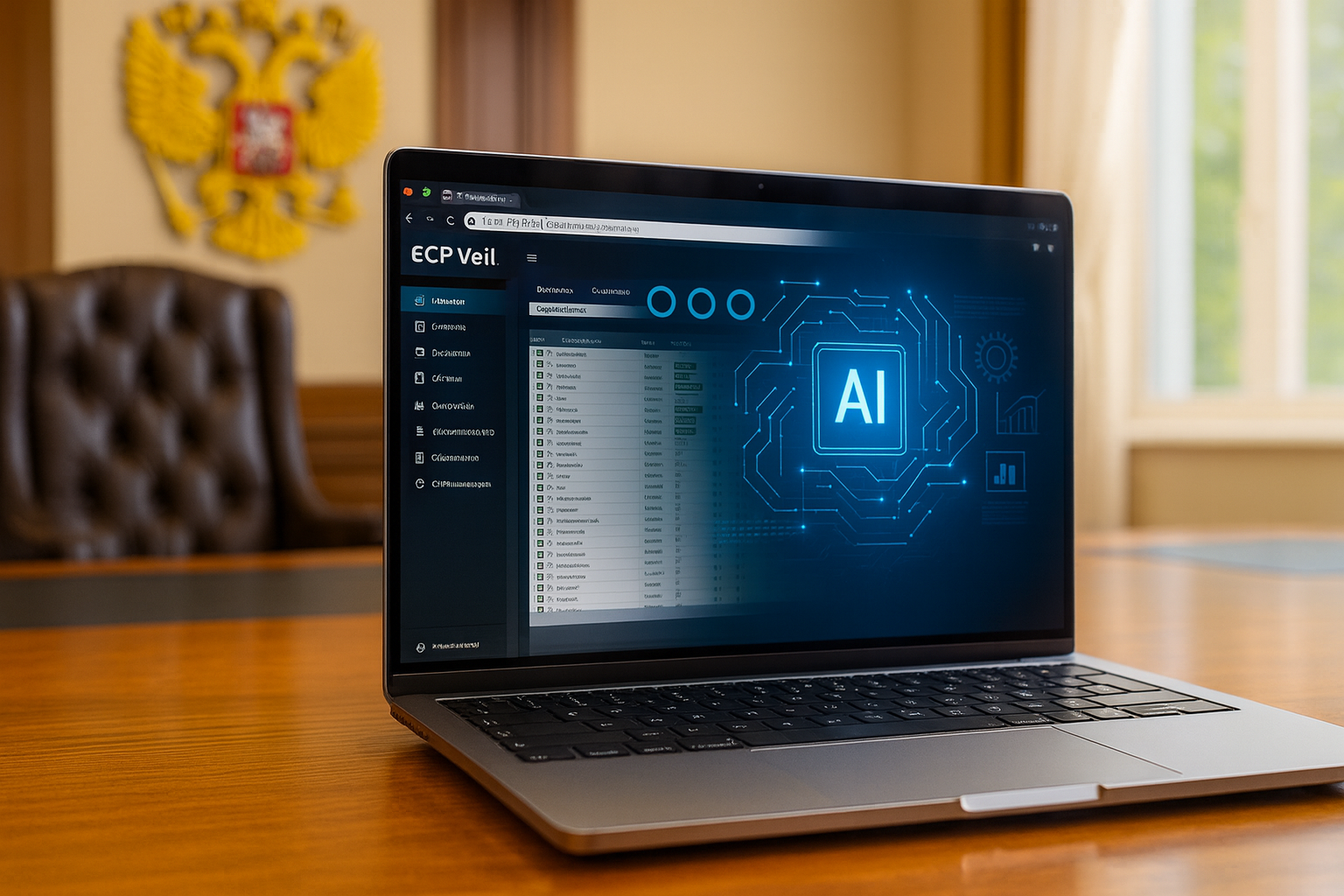
As reported by the state corporation, the planned modernization is based on the use of artificial intelligence algorithms. They will automatically allocate processor time, RAM, disk space, and network channels between users' virtual machines. This approach will avoid overloading real servers.
The ECP VeiL virtualization system is designed for installation on hardware platforms with the common x86-64 architecture. The complex provides centralized management of the deployed virtual infrastructure and visualization of the digital space.
The ECP VeiL platform was developed by the Research Institute "Mashtab" of the "Avtomatika" concern. Currently, specialists are developing a system for predicting changes in the load in the infrastructure of this complex. It will consist of modules for data collection and analysis, solution verification, and management, which will be able to optimize the use of computing power in advance, which will increase the energy efficiency of data centers.











