The Moscow "Cloud Cities" Forum became a platform for discussing the future of the urban environment in the BRICS countries. Over two days, September 17 and 18, experts examined the technological development of infrastructure and the introduction of artificial intelligence into the urban space.
The forum's business program included more than 50 sessions with the participation of 460 speakers and delegates. Participants included representatives from 21 countries, including China, the UAE, Malaysia, Singapore, South Africa, Qatar, Turkey, and Hungary. The presence of a large Chinese delegation of more than 50 high-ranking officials and experts added significance to the forum.
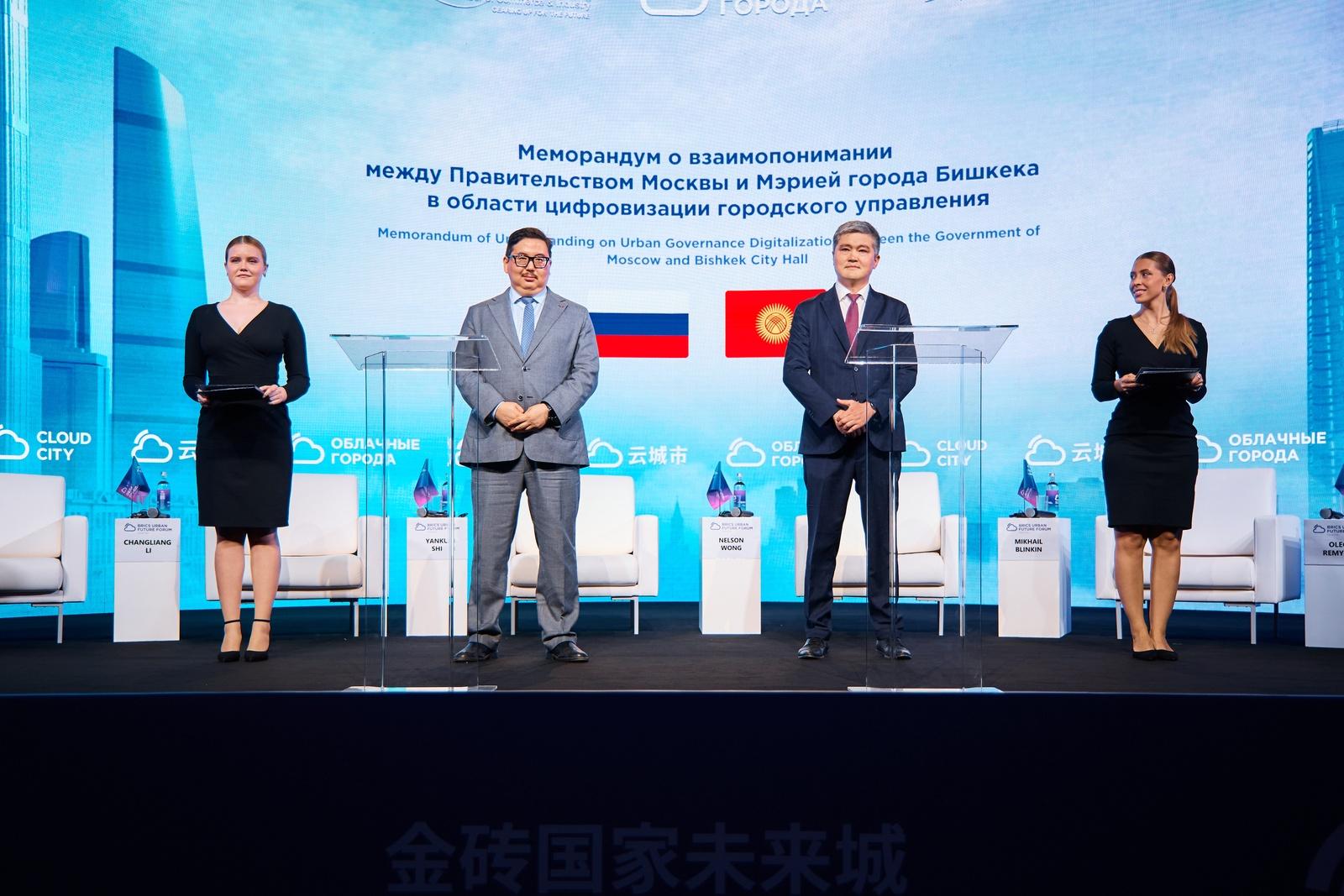
International cooperation became one of the key outcomes of the event. Memorandums of understanding were signed with Minsk, Astana, and Bishkek. An agreement was concluded with the Rio de Janeiro City Hall, and the Leningrad Region received the automated information system "Personnel 2.0".
The technological development of cities became the central topic of discussion. The mayors of Chandigarh (India), Durban (South Africa), and Harare (Zimbabwe), as well as leading global experts in the field of smart cities, spoke at the session "Technological Framework of the City. Space of the Future." Issues of hybrid economy, digital infrastructure, and platform solutions for urban space were discussed.
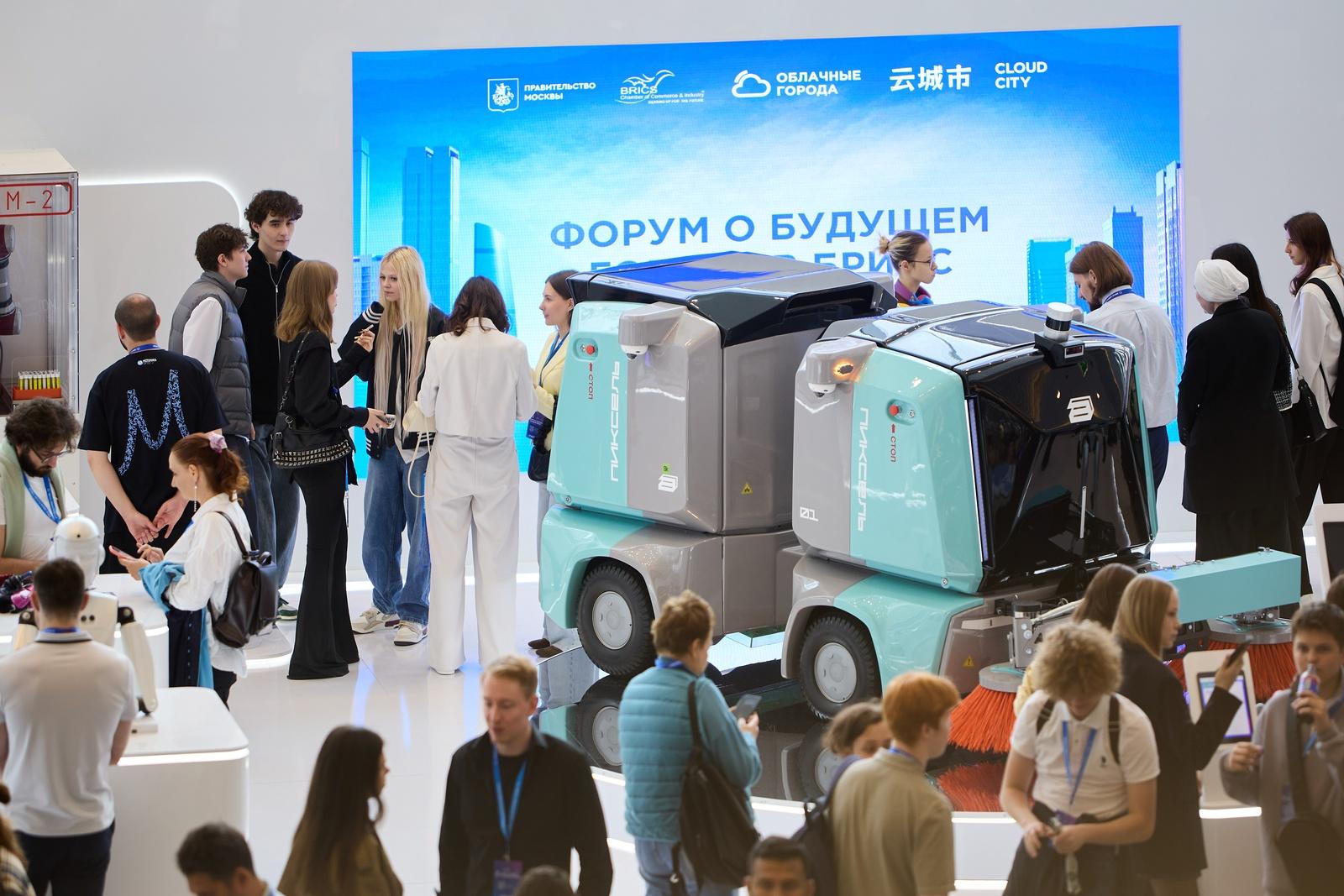
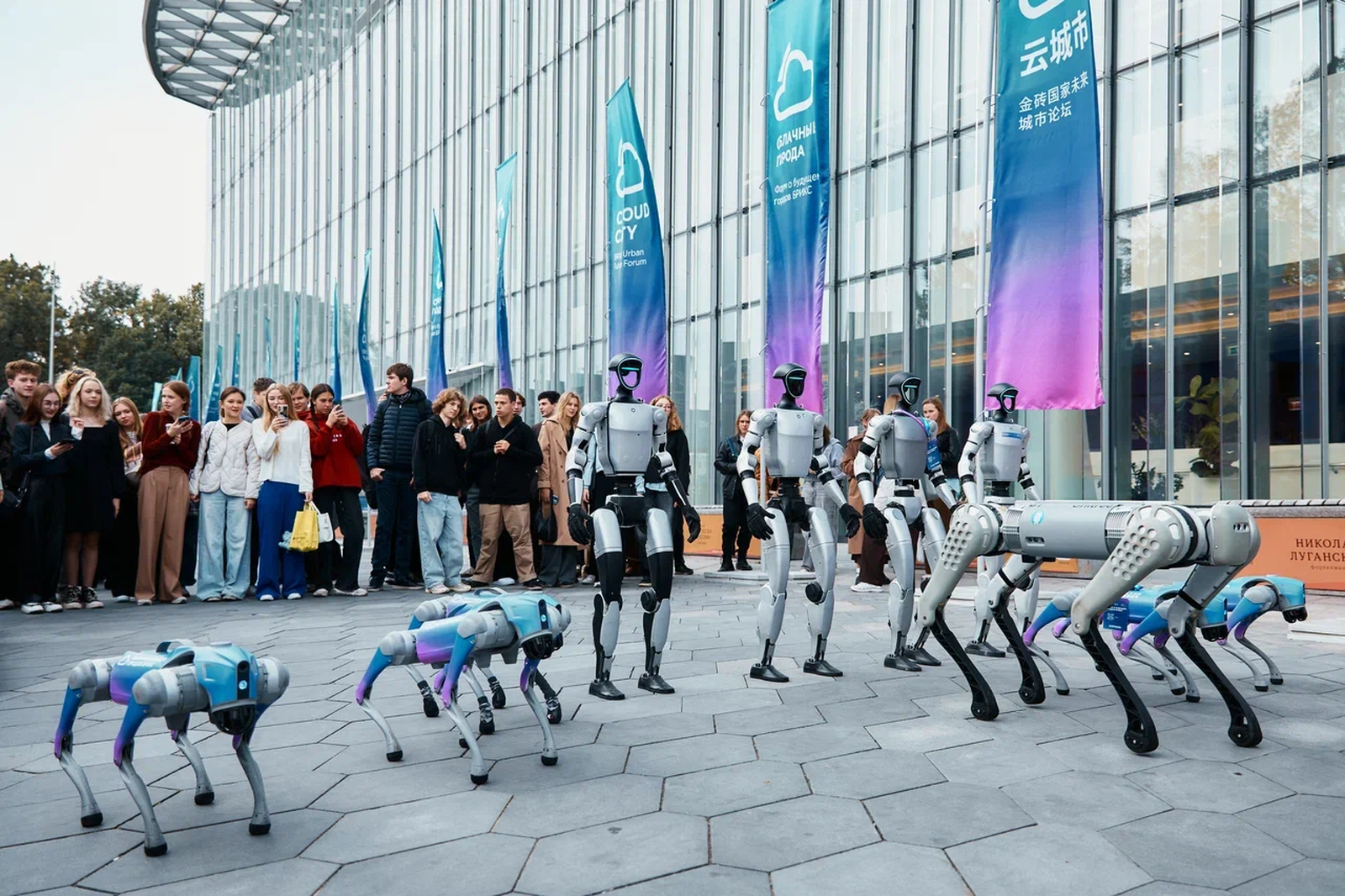
More than 35 robots for various purposes presented innovative developments. The Russian "Pixel" cleaning robot with a new vacuum unit attracted particular attention. Moscow received the BRICS award in the category "Robotics Focused on People" for the introduction of an unmanned tram and advanced autonomous systems.
The BRICS Urban Innovation Award was presented in categories covering smart cities, climate initiatives, digital healthcare, and artificial intelligence. The jury included leading international experts, including Nobel Peace Prize laureate Rae Kwon Chung.
The forum demonstrated the growing interest in the technological development of the urban environment in the BRICS countries and the readiness for international cooperation. Participants discussed key trends and identified areas for the development of urban management and infrastructure.