Translated with AI from the Russian original.
The new version of the operating system for thin clients was presented at the international forum Kazan Digital Week 2025.
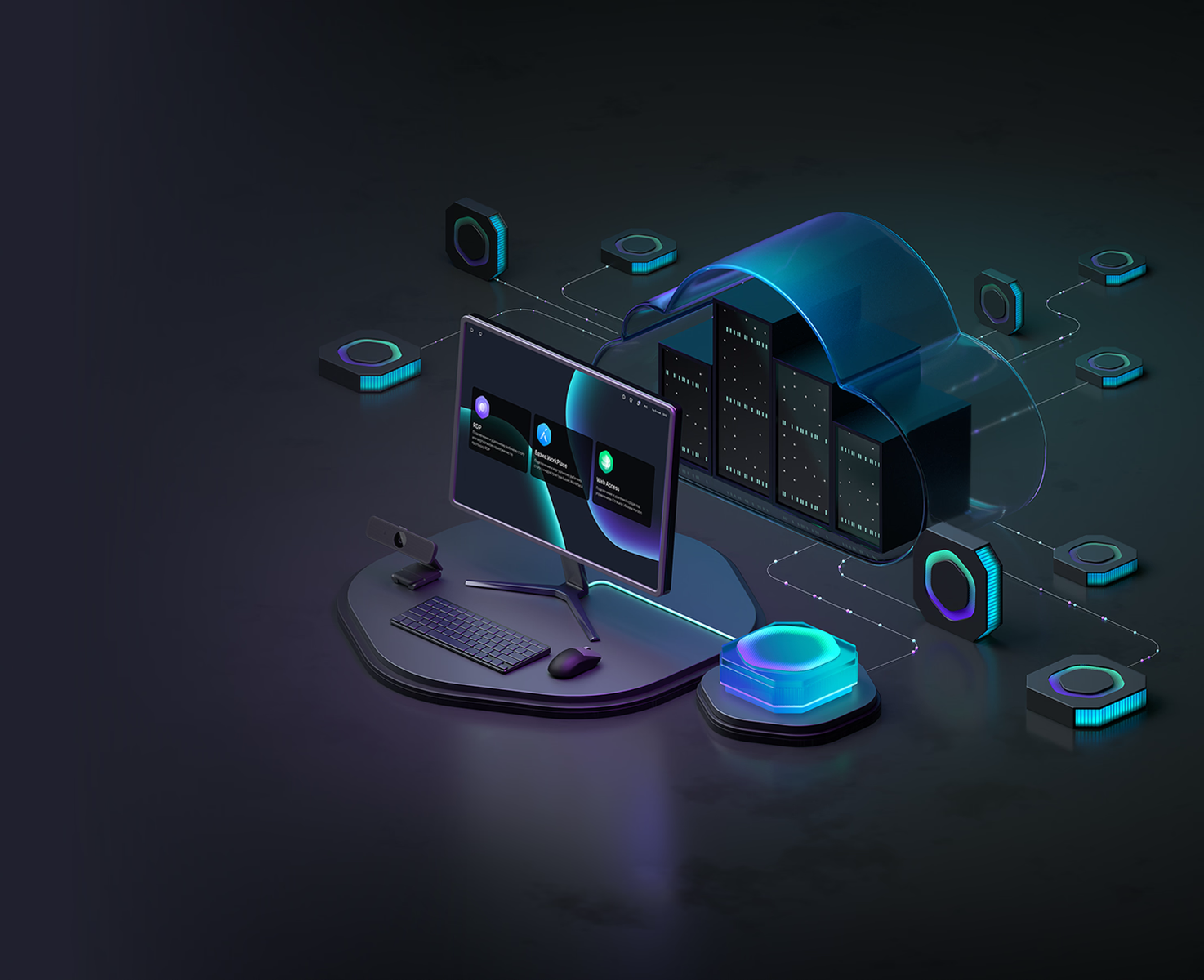
The updated Kaspersky Thin Client 2.3 includes support for UEFI (Unified Extensible Firmware Interface) - a modern type of firmware that replaces the outdated BIOS (Basic Input/Output System). It provides faster system loading. UEFI also supports Secure Boot technology, which protects the startup process from unauthorized changes.
Kaspersky Thin Client 2.3 has expanded support for peripherals: most USB drives, printers, scanners, webcams, and headsets on the market can be used in both Windows and Linux environments. Through a single console, administrators can centrally configure monitors, applications, and even personalize the desktop and lock screen.
The solution has also been supplemented with other options aimed at improving convenience and optimizing processes. For example, only the applications that the employee has selected in the settings can be displayed on the thin client's desktop, and the OS interface can be adapted to the company's brand book. In addition, there is now technical support for video conferencing for remote resolution of technical issues.
Kaspersky Thin Client 2.3 is available on two hardware platforms - Tonk TN1200 and Dell Wyse 3040. The Lab said:
The solution is in demand in industries such as finance, education, and retail. It is based on a cyber-immune approach, which assumes that security is thought out from the earliest stages of development, at the architecture level. This ensures high resistance even to the most complex cyberattacks.











