Translated with AI from the Russian original.
In Russia, about 4.1 million bank payment terminals are used for cashless payments. Almost all equipment runs on foreign operating systems, such as Android or its derivative AOSP.
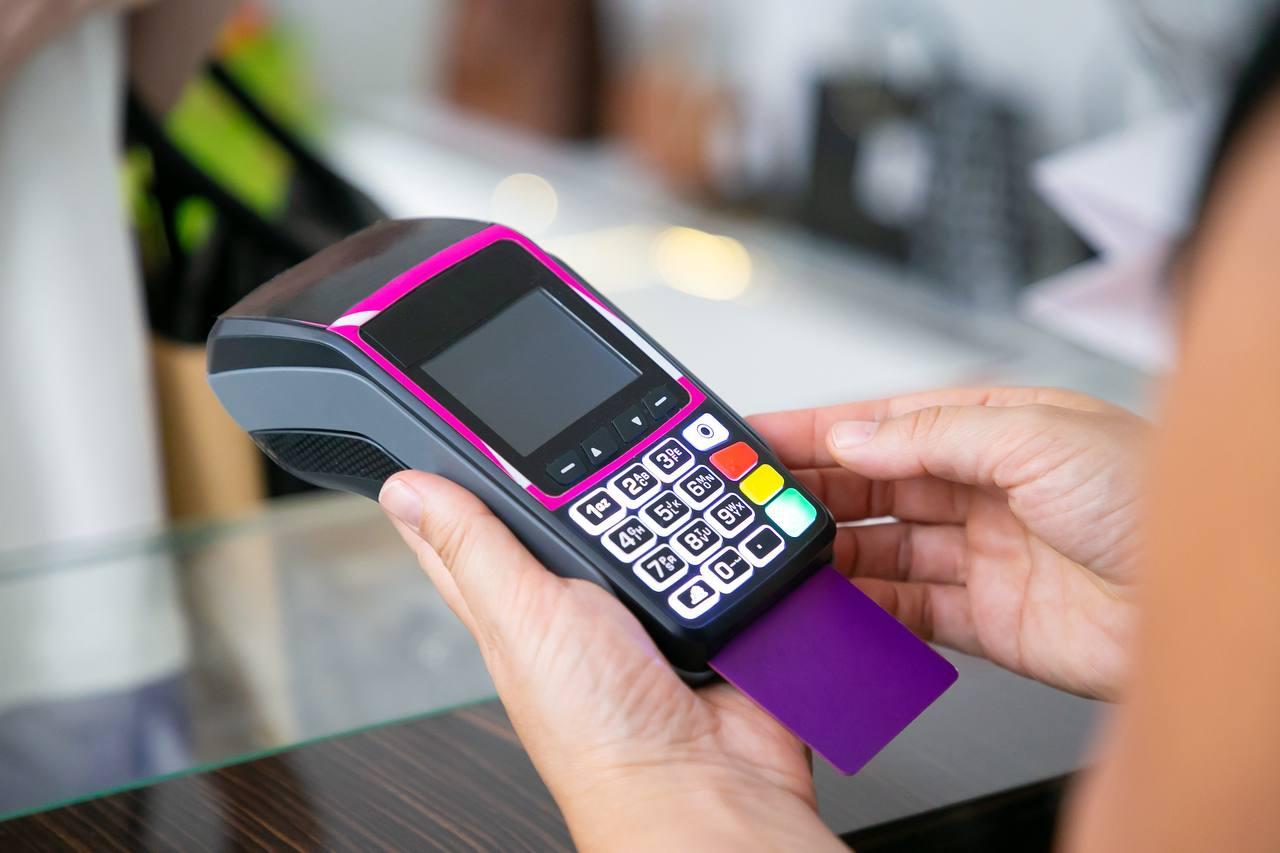
"Rostelecom", together with the payment company Pay2Me, presented a pilot project of a domestic secure payment terminal based on the "Aurora" OS. The largest credit institutions and retail enterprises have shown interest in the implementation of this product.
The "Rostelecom" payment terminal based on the "Aurora" OS is a domestic secure device. As emphasized in the press service, the solution competes in price with Western counterparts and has advanced functionality, which gives banks more opportunities for a comfortable transition. Pavel Plokhuta, CEO of Pay2Me, said:
Our partnership with "Rostelecom" is an important step in creating a complete ecosystem of the payment market. We see a growing demand from banks and retailers for solutions that not only meet the requirements of regulators for security, but also offer a modern user experience. "Aurora" OS provides the necessary level of security and control, which is critical for financial infrastructure. This project opens the way for a massive transition to modern software in the field of payment acceptance.











