Translated with AI from the Russian original.
Russian computer equipment manufacturer Rikor has developed 1U cases of the 7th series for its servers. The first solutions in the new case are the Rikor RS7104 and Rikor RS7110 servers, focused on corporate, cloud, and industrial tasks.
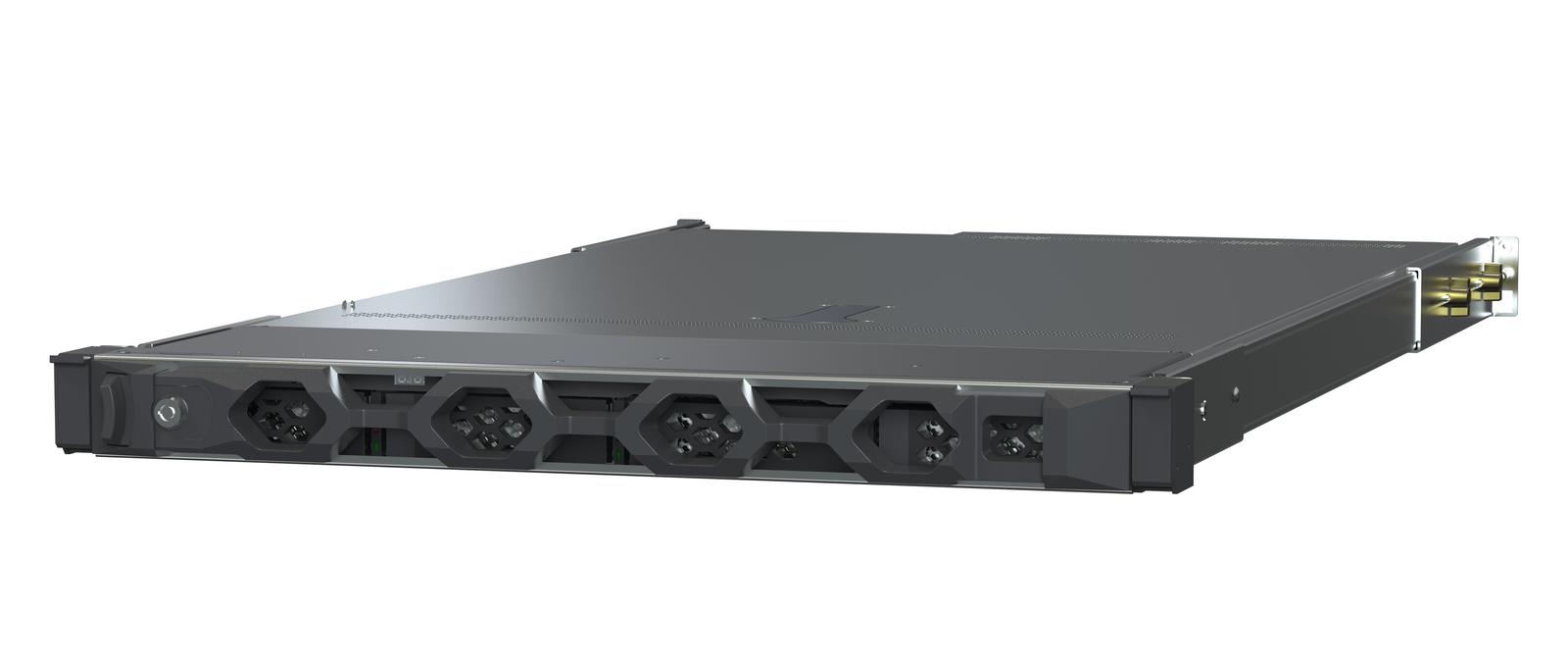
As the company noted, Rikor RS7104 is optimal for working with accounting systems, including 1C, and is suitable for managing a corporate network, data storage, office applications, and basic infrastructure. The device can use up to two Intel Xeon Scalable, up to 8 TB DDR4 ECC REG, up to four SATA/SAS.
Rikor RS7110 is a more productive solution with the ability to install up to 10 2.5-inch drives. The server is designed for 1C, as well as databases, multi-user environments, saturated virtualized systems, data storage, and video surveillance systems. The device can use up to two Intel Xeon Scalable, up to 8 TB DDR4 ECC REG, up to ten SATA/SAS.
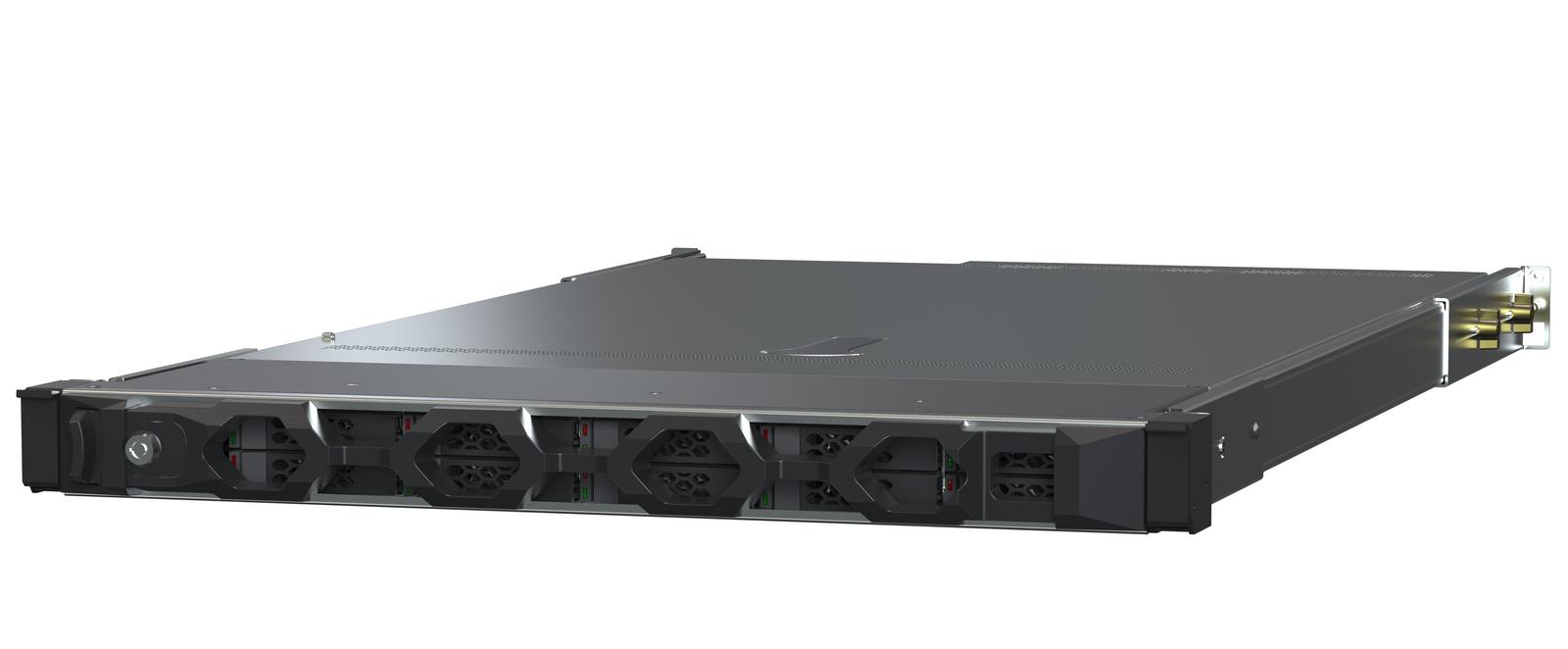
Both server models have already received the conclusion of the Ministry of Industry and Trade of Russia, confirming their production in the country. Thus, servers can participate in state and corporate tenders with localization requirements, and also give the right to receive state support within the framework of digital transformation programs.











