Translated with AI from the Russian original.
The iRU Tactio 24ID model is designed for corporate use and can function as a standalone PC or as an additional monitor. Production is localized at a plant in the Moscow region.
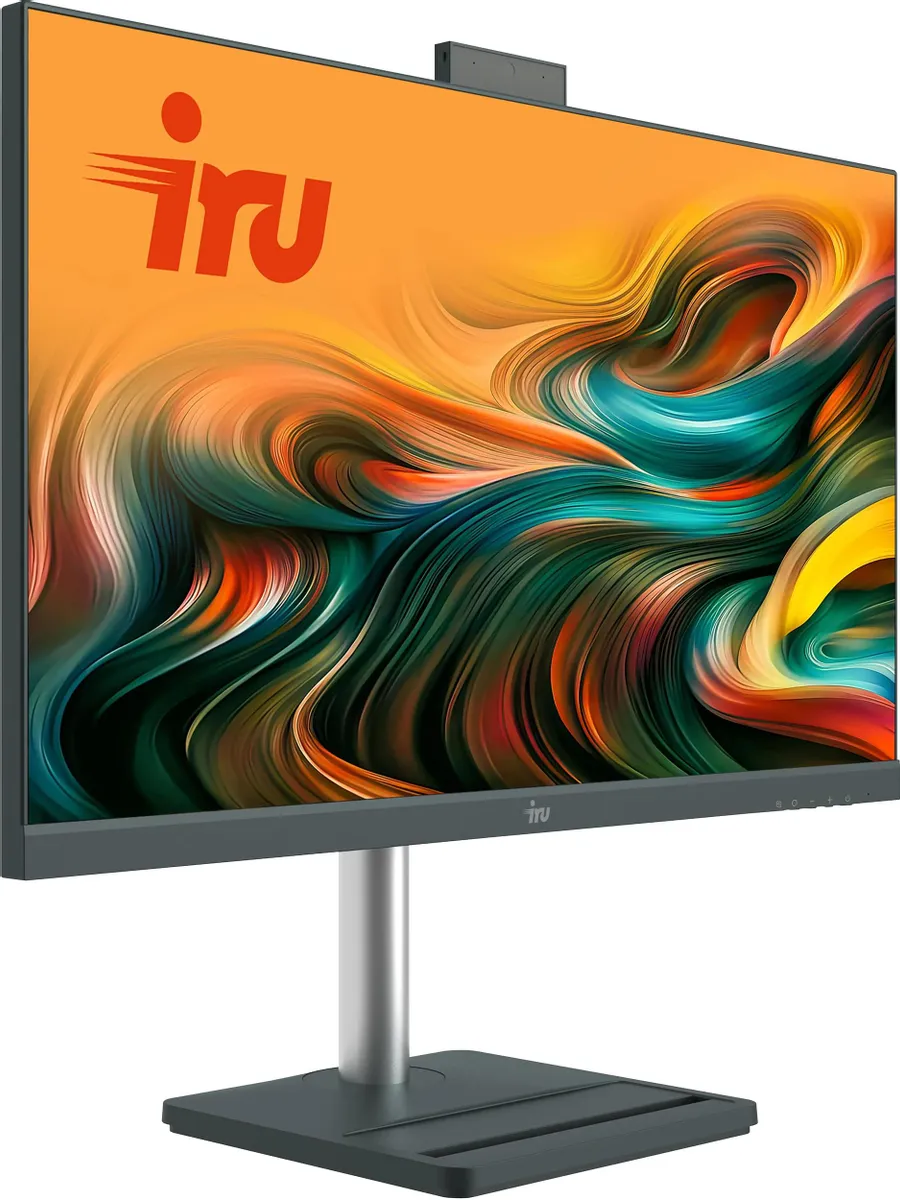
As emphasized by iRU, this is a new form factor for the market and the first 24.5-inch all-in-one PC in Russia. The model is available in standard configurations as well as custom builds. Local production allows the device to be used as a platform for adapting configurations to specific customer requirements.
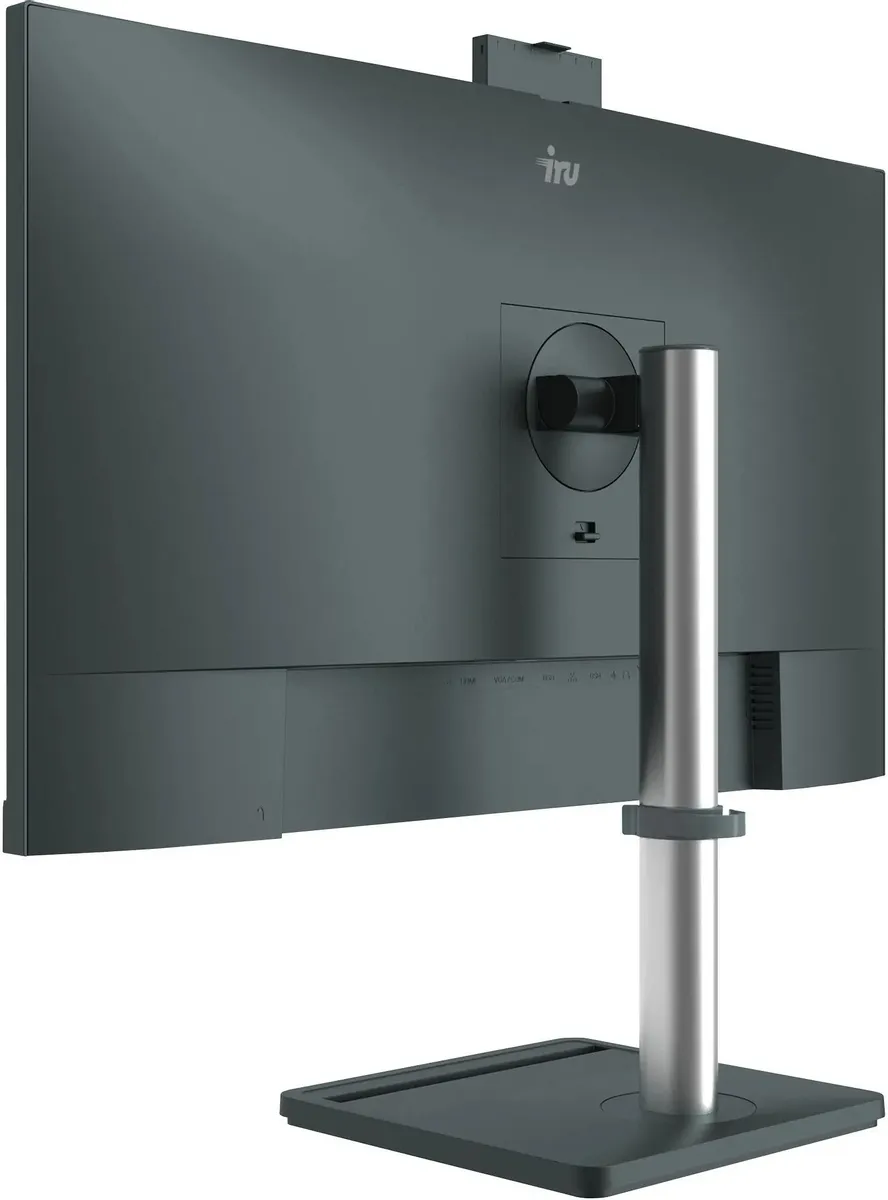
The iRU Tactio 24ID is based on Intel Core I3 1215U and Intel Core i5 12450H processors; custom configurations can use Intel Core i3 to i7 H610. RAM can be expanded via a slot (up to 32 GB DDR4), as can storage-2.5-inch HDD/SSD or M.2 SATA/PCIe 3.0. The PC is available with pre-installed Windows 11 Pro or without an OS.
The PC features a matte anti-glare IPS screen with Full HD resolution (1920 x 1080 pixels), a built-in mechanically retractable webcam, and stereo speakers. Ports include two USB 3.0, four USB 2.0, USB Type-C, HDMI input and output, Gigabit Ethernet (RJ-45), COM port, and audio jacks. A one-year warranty is maintained during device upgrades, with the possibility of extension.











