Translated with AI from the Russian original.
The Ministry of Digital Development of Russia has announced a significant expansion of the functionality of the "Gosklyuch" application, which allows you to obtain an electronic signature certificate and sign documents for free.
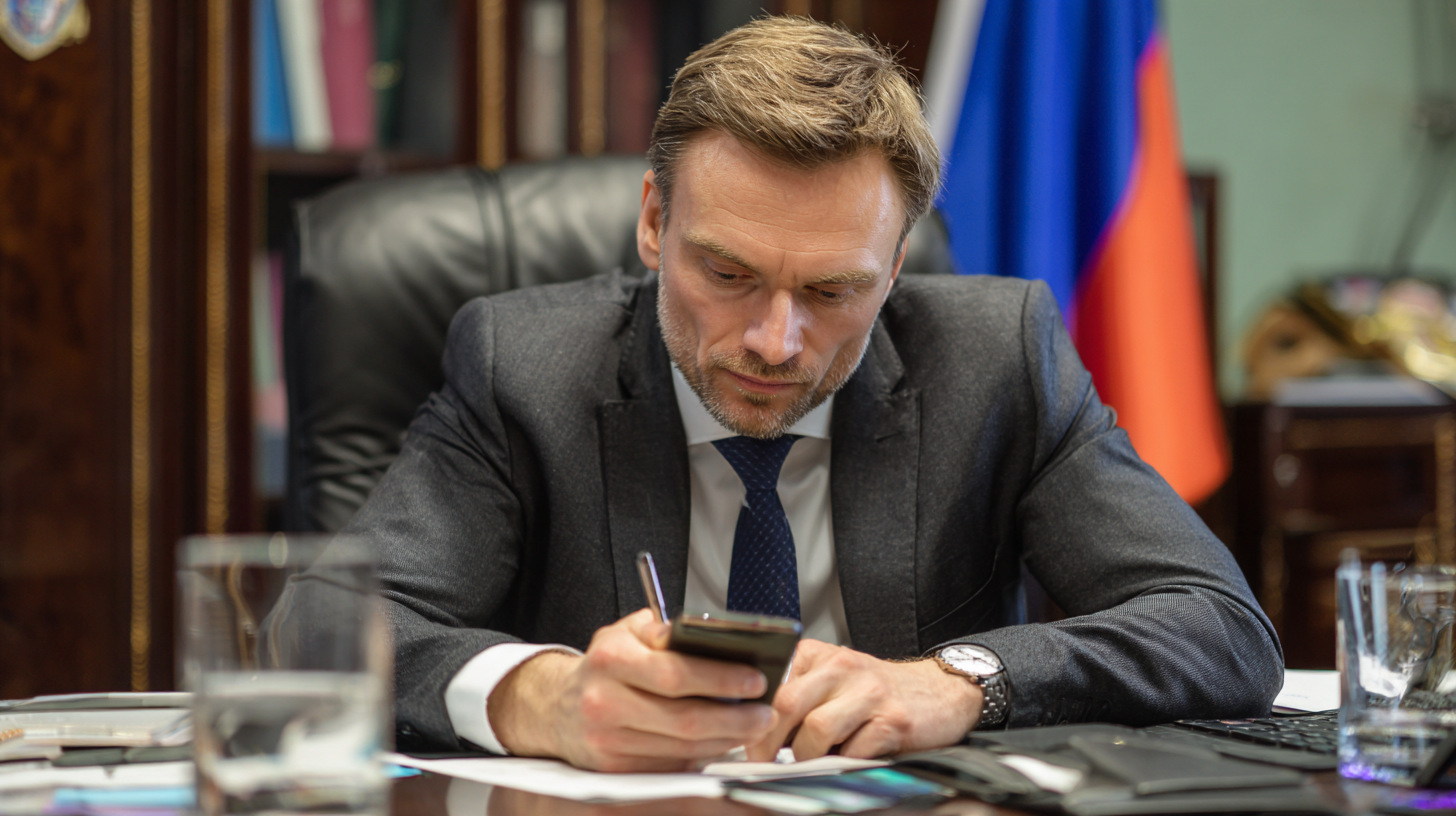
Now, heads of legal entities and individual entrepreneurs can use an electronic signature in the application. As emphasized by the Ministry of Digital Development, they did not have this opportunity before. Previously, only their employees with a machine-readable power of attorney could sign documents on their behalf in "Gosklyuch".
Heads of legal entities and individual entrepreneurs can obtain a certificate of enhanced qualified electronic signature (UKEP) in "Gosklyuch". To do this, you need to initiate the creation of such a signature in the application, and then confirm your identity at the certification center.
Heads of commercial organizations and individual entrepreneurs should contact the certification center of the Federal Tax Service, and heads of organizations receiving funds from the state budget should contact the certification center of the Treasury of Russia.
Documents can be sent for signing to "Gosklyuch" from integrated information systems.











