Translated with AI from the Russian original.
Russian company Smart Engines has introduced a solution that eliminates the need for manual transfer of new employee data into the HR electronic document management system.
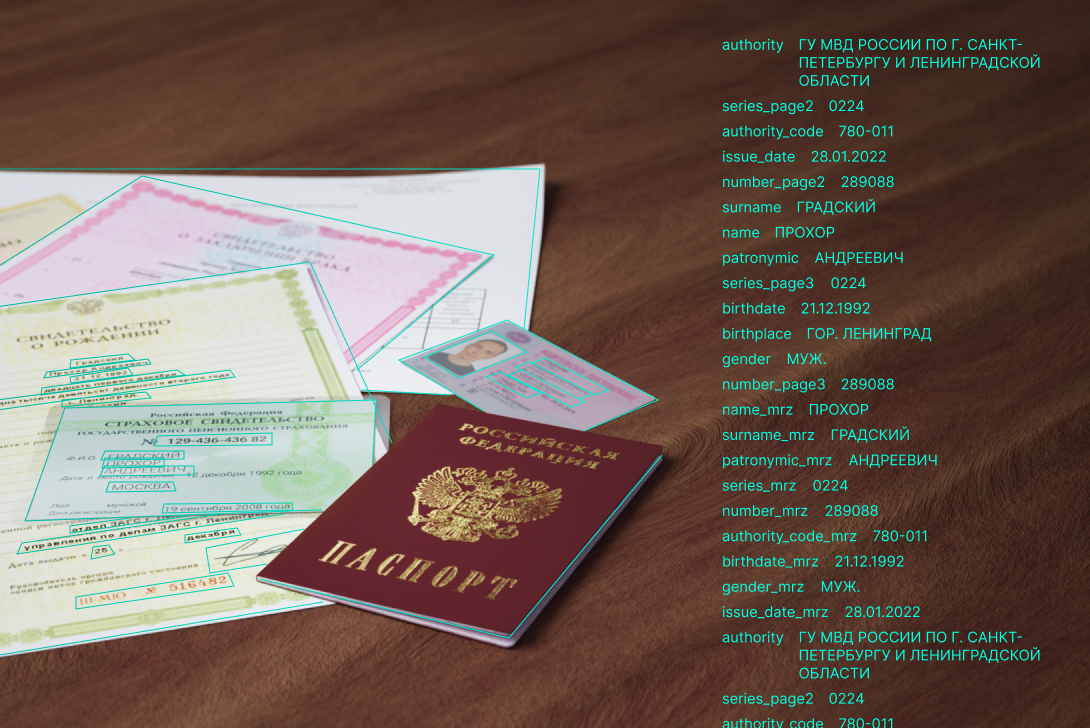
The new AI agent independently extracts printed and handwritten data from Russian passports, employment records, SNILS, TIN, diplomas, and any other HR documents. It supports over 3,000 types and 5,000 unique document templates, including handwritten passports, military IDs, rare types of certificates, income statements, medical reports, and even forms such as welder's licenses and tractor driver's licenses.
According to the developers, the system works equally well with printed and handwritten text, as well as with crumpled, bent, and angled documents. In addition, the AI agent can scan documents of labor migrants from all CIS countries, China, India, Pakistan, and any other regions of the world.
Smart Engines emphasized:
An HR specialist simply needs to photograph the applicant's documents - the system will extract all the data automatically, without errors, delays, or paperwork. In conjunction with HR document management systems, the AI agent will help put an end to bureaucracy in employment.
Smart Engines technology works locally - without transferring data to cloud services or third parties. Processing takes place directly on the computer, smartphone, or server, with full protection of confidential information. The solution is included in the unified register of Russian software of the Ministry of Digital Development, Communications and Mass Media of the Russian Federation.











