Translated with AI from the Russian original.
Elektroresheniya, a representative of the EKF brand in Russia, has implemented a scrubber automation project at a mining enterprise in Transbaikalia. As a result, the enterprise has improved the efficiency of its equipment and reduced the influence of the human factor.
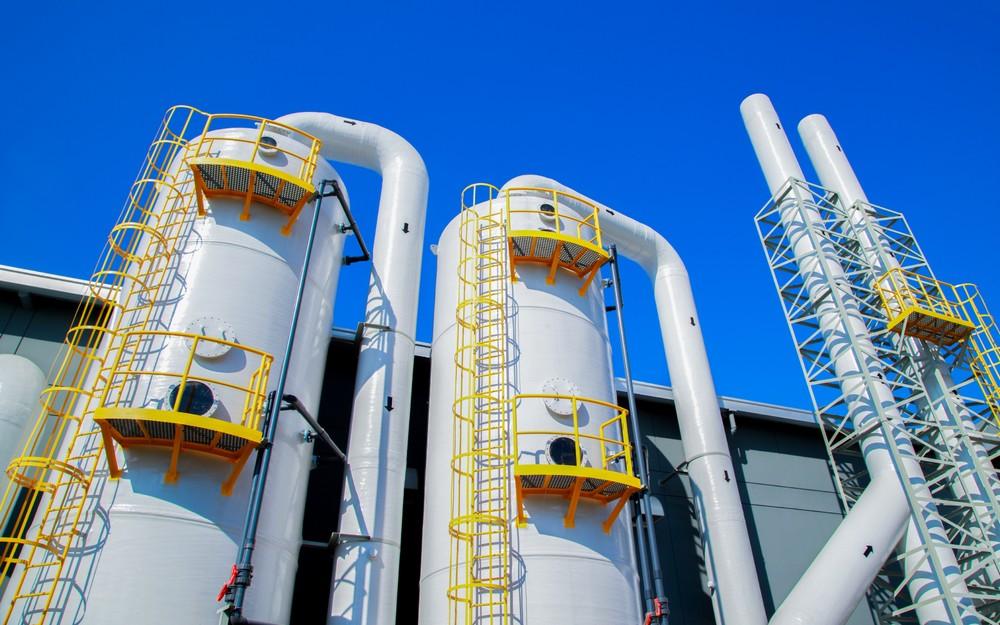
A scrubber is corrosion-resistant equipment used to clean industrial gases. It involves the forced contact of hazardous acid vapors with a special washing liquid, which allows the absorption and neutralization of harmful components. Scrubbers play an important role in protecting the environment.
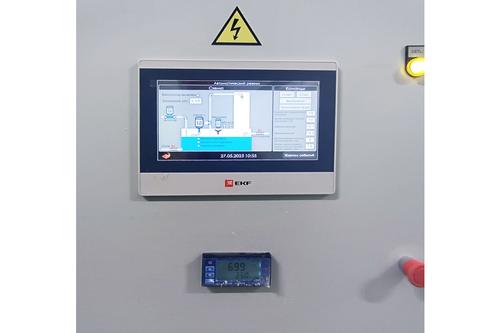
The EKF brand solution includes the following devices:
· PRO-Logic Programmable Controller - automates the system.
· PRO-Screen Operator Panel - provides visualization and system control.
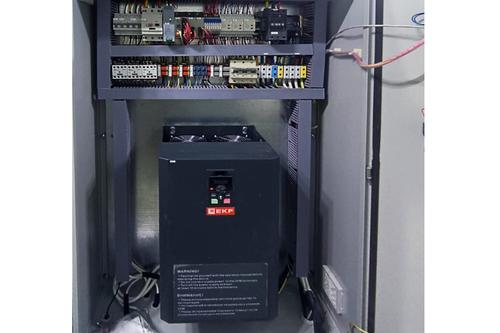
· PRO-Drive 150 frequency converter, KME AVERES contactors and Slim intermediate relays - are responsible for switching.
· PROXIMA modular automatic circuit breakers and DR-E power supply - provide power and equipment protection.
· RL-SA level relay - performs auxiliary relay logic.
Using this brand's equipment allows you to implement the project and receive comprehensive support during system implementation.