Translated with AI from the Russian original.
The "Senat" decision support system has received new functions designed to help automate the work of collegial business management bodies, as well as make processes more transparent and efficient.
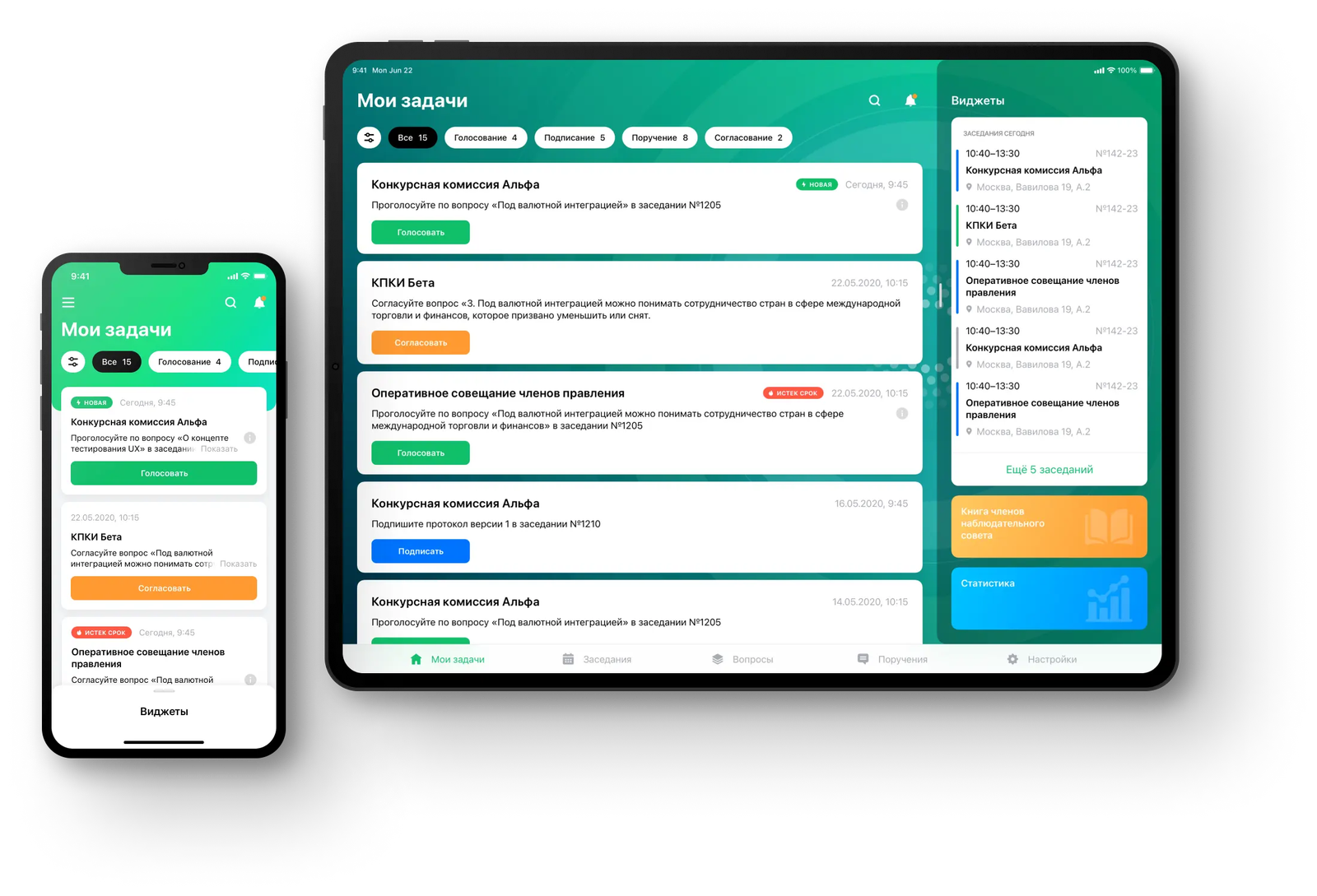
According to the developers, the updated platform allows flexible customization of interfaces and document templates to meet the individual needs of companies and mass signing of electronic documents. It adapts to different sectors of the economy and meets current legislative requirements in the field of corporate governance.
Among the key innovations of the platform is deep integration with Sber's neural network model GigaChat. The service has an intelligent voting recommendation system that analyzes historical data to develop informed decisions. Smart search has also been improved for internal regulatory documents, GigaChat accelerates access to the necessary information through contextual and semantic analysis of queries.
Automated retelling of complex documents GigaChat allows you to get short extracts from voluminous reports. A function has appeared for converting audio recordings into text transcripts based on artificial intelligence.
The platform also checks documents for compliance with accepted templates, reducing legal risks. A knowledge base and a dictionary of terms and abbreviations are automatically created from the meeting materials. Integration with GigaChat improves automatic text recognition of draft decisions and the formation of instructions.











