Translated with AI from the Russian original.
"Electrosolutions", the official representative of the EKF brand in Russia, presented current developments for oil and gas industry enterprises at the "Neftegaz 2025" exhibition.
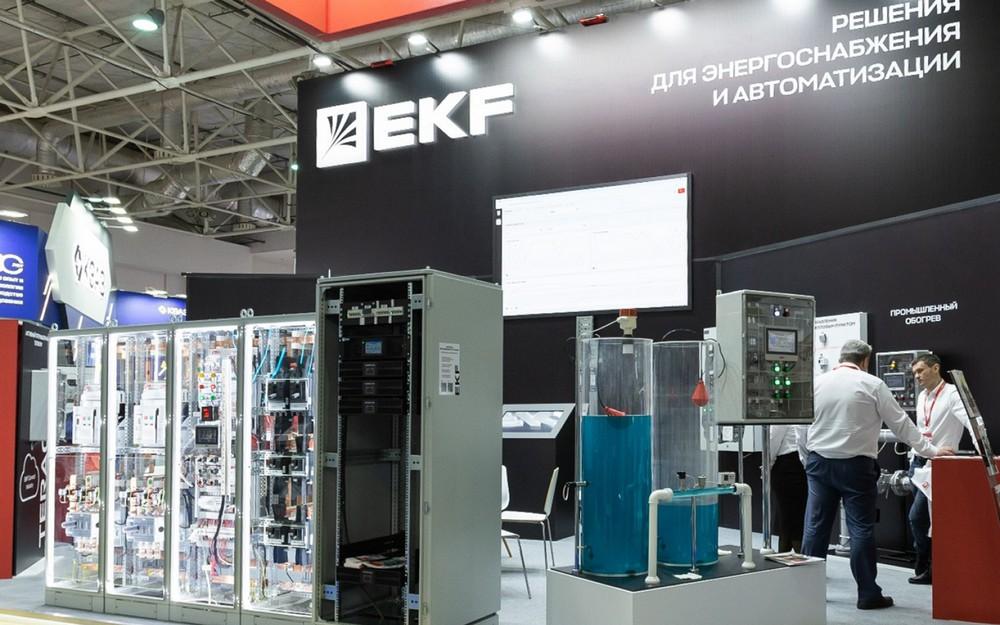
Visitors to the booth saw the main distribution board with an intelligent power distribution function, got acquainted with solutions for automation of engineering systems, efficient pump management, and comprehensive lightning protection of oil and gas facilities. Visitors were able to evaluate the capabilities of their own development by Electrosolutions experts - the EKF Connect Industry analytical IIoT platform for monitoring, managing, and analyzing automation system data.
Also at the booth were presented UPS for industrial use, a line of industrial active telecom equipment, industrial heating, instrumentation, PRO-DRIVE frequency converters. Guests also saw the D-CARD PLC and the AleSta functional shell for industrial use, localized in Russia.
"Neftegaz is one of the largest oil and gas exhibitions in the world. This is a great opportunity to introduce industry specialists to EKF brand products and solutions in a few days. In addition, to demonstrate the effectiveness of their use," said Andrey Ryabov, Marketing Director of Electrosolutions.











