Translated with AI from the Russian original.
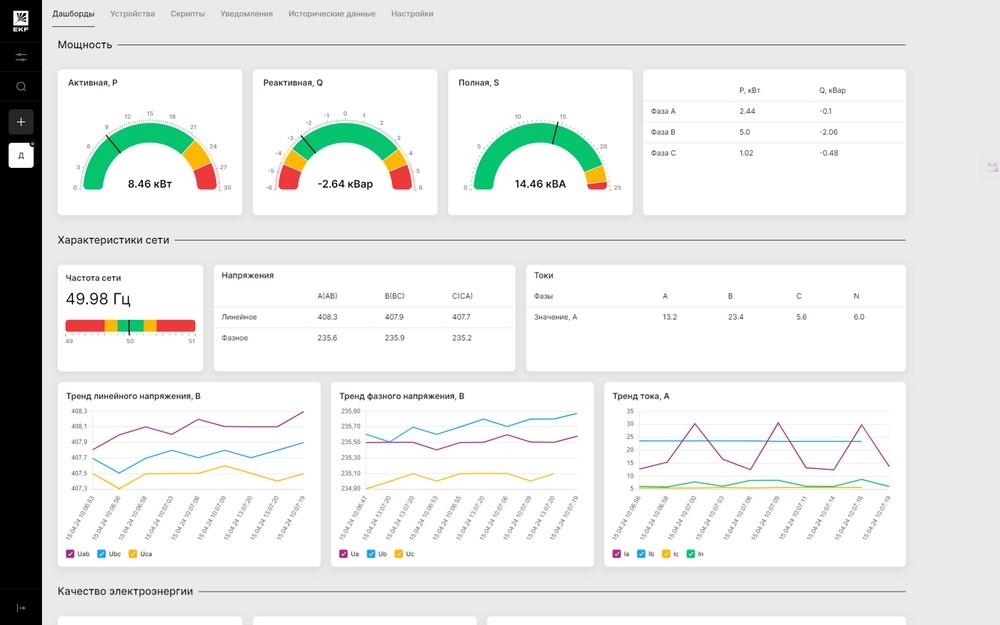
EKF has launched a closed beta test of its own analytical IIoT platform, EKF Connect Industry. The system provides continuous monitoring of local and distributed automation objects of any complexity, allows you to control and analyze energy consumption, the state and efficiency of technological equipment from anywhere in the world. It provides users with notifications about emergency situations and helps to make informed decisions based on data analysis.
Hosting on Russian Yandex servers increases the reliability and security of the system, guaranteeing its trouble-free operation. Flexible visualization settings and multi-user access allow all interested parties to solve problems using only the information necessary for decision-making.
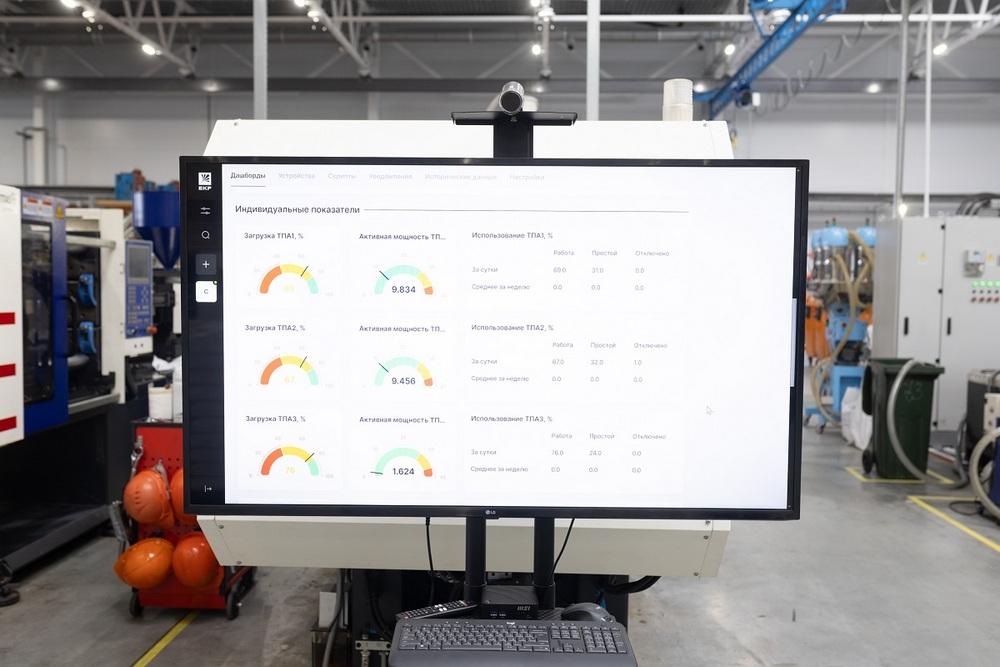
The beta version of the EKF Connect Industry cloud platform allows you to:
ü Receive information about the status of distributed objects using the EKF gateway or OPC UA server;
ü Customize dashboards and display information in a user-friendly way;
ü Implement multi-user access;
ü Configure and receive notifications about emergency situations via the Telegram messenger and much more.
Every interested user can take part in testing and evaluate the platform's capabilities for solving their problems. You can leave a request for testing on the website.