Translated with AI from the Russian original.
The improved model for generating images from text descriptions will be available to all users without restrictions in the near future. Sber has improved its neural network, which creates images from text descriptions in Russian and English. The updated version of Kandinsky 3.1 has been retrained on an increased dataset of images, which has improved the quality of generations. A limited circle of users got the first access to Kandinsky 3.1: artists, designers, bloggers.
Alexander Vedyakhin, First Deputy Chairman of the Executive Board of Sberbank:
"Today marks exactly one year since the release of Kandinsky 2.1. During this time, we have constantly developed our neural network, which helps people create new images and gives absolutely everyone phenomenal opportunities for creativity. Compared to the previous model, Kandinsky 3.1 has become even faster, more convenient and more realistic. Kandinsky 3.1 is a flexible, multifunctional and completely free tool that will turn anyone into an artist and creator. Soon everyone will be able to test the new features of the neural network. Like previous versions, the model will be free and available on various surfaces."
One of the key features of the version was a higher speed of image generation: the time of one generation was reduced almost 10 times, and the resolution of generations can be increased to 4K. It also became possible to improve the text request using a language model. Users will again have access to the functions of creating various image variations, mixing images and text, creating sticker packs, and the ability to make local changes to the image without changing the entire composition of the scene (ControlNet).
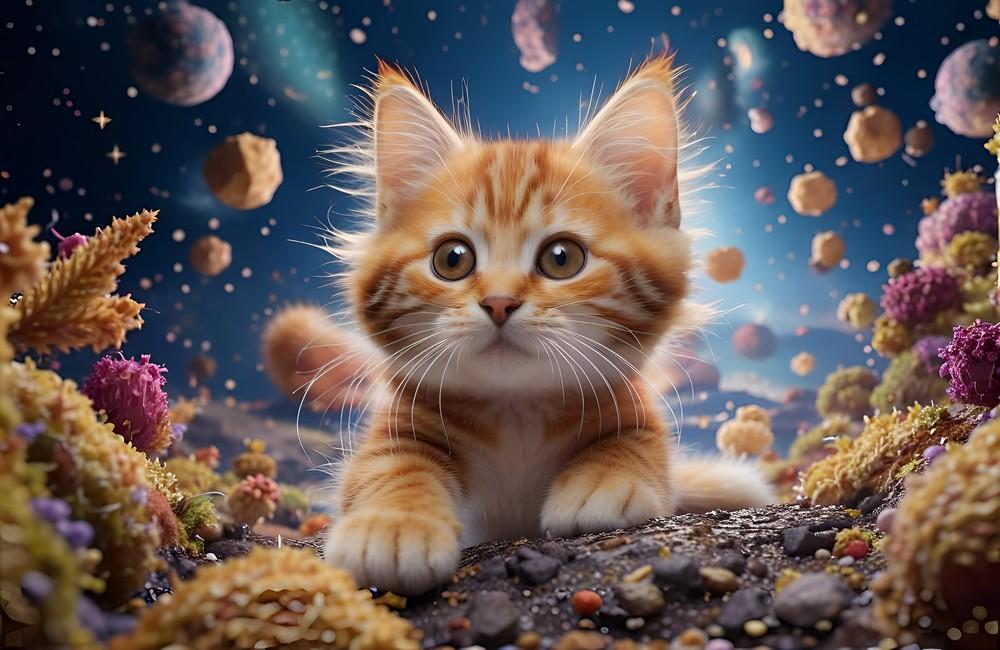
You can find out the technical details about the model, approaches to training and see examples of generations in the articleon "Habr".
Also, a new Kandinsky Video 1.1 model for generating videos from text descriptions will appear in the near future. Our team managed to significantly improve the quality of generations by increasing the volume of the training dataset of "text-video" pairs and architectural improvements to the model. The changes made also made it possible to increase the video resolution by two times compared to Kandinsky Video 1.0.
The model was developed by the Sber AI team with the partner support of scientists from the AIRI Institute of Artificial Intelligence on the combined datasets of Sber AI and SberDevices.











