Translated with AI from the Russian original.
The release received over 120 changes: thin disks and linked clones for Shared SEP, automatic connection of compute nodes, CPU and RAM reservation, support for Basis vCore 2.1, and audit transfer via Syslog
The company "Bazis" released version 4.7 of the Basis Dynamix Enterprise server virtualization platform. The update includes over 120 changes and is aimed at more efficient use of disk space and computing resources, administration automation, and expanding audit capabilities.

In the new version, thin disks and linked clones now work with Shared SEP shared storage. Disk capacity is allocated as data is written, and linked clones only store differences from the base image. This reduces space consumption when creating virtual machines in bulk. The platform also automatically selects a pool for snapshots and warns the administrator when storage is 75% and 90% full.
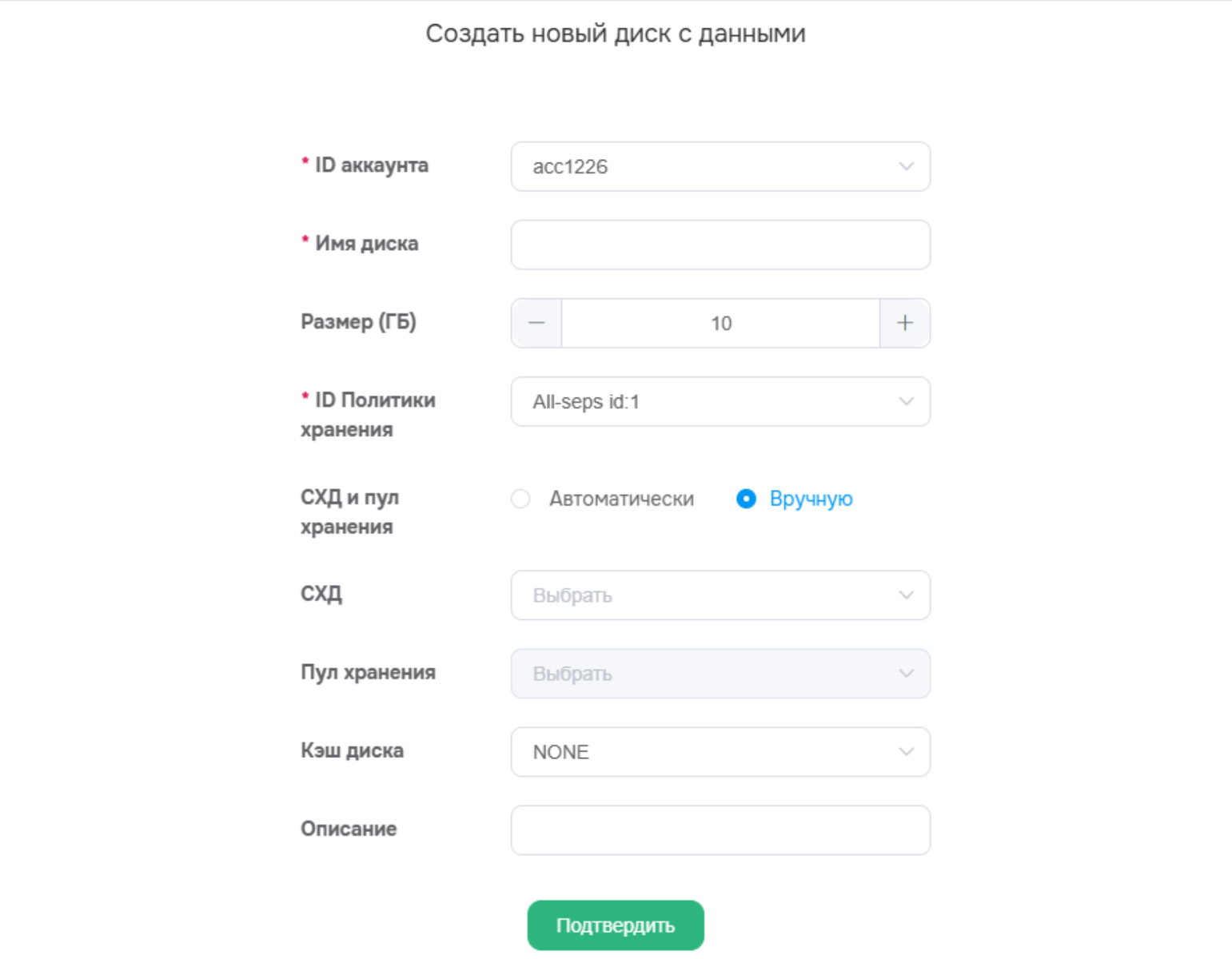
The connection of compute nodes has been automated: it is enough to make an API call or fill out a form in the portal. For the joint operation of virtual machines and software-defined storage, it is now possible to reserve CPU and RAM.
In addition, Basis Dynamix Enterprise 4.7 received updated tools for working with PCI devices, processor generation alignment profiles for VM migration, and support for the Basis vCore 2.1 hypervisor. Audit events can now be transferred to external systems via Syslog with RFC 5424 format. Password and key masking in the API has also been implemented.