Translated with AI from the Russian original.
It is suitable for large organizations in finance, telecom, retail, logistics, and industry.
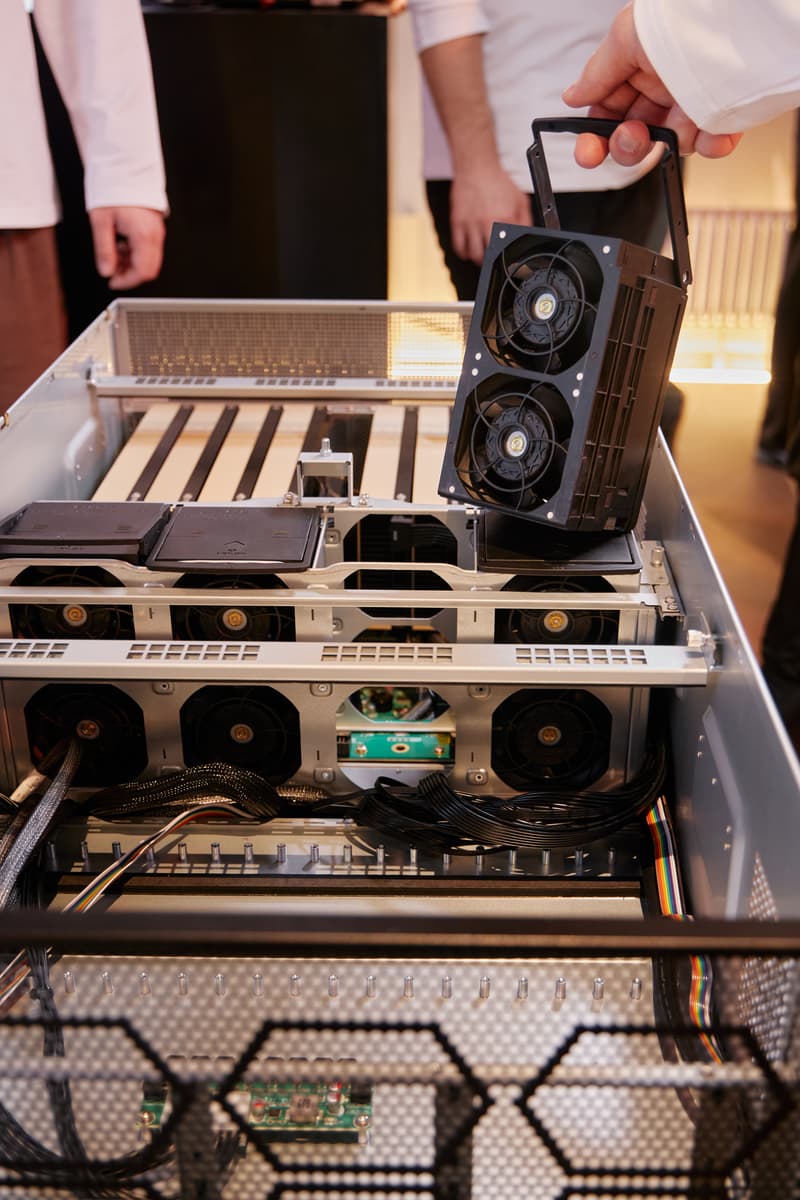
Russian IT infrastructure provider Selectel announced the launch of its own high-performance AI server. As the company explained, the solution was developed with a balanced architecture in mind, with special attention paid to optimizing the interaction between the processor, memory, and data pathways.
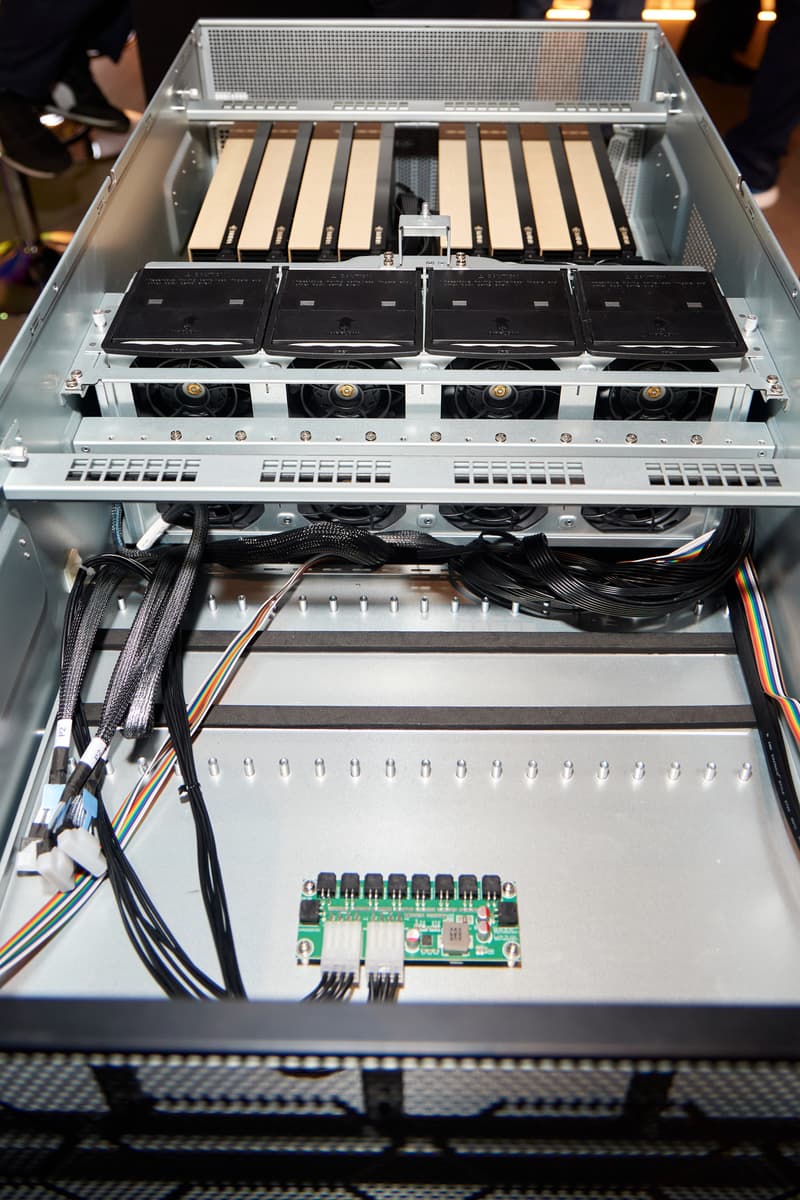
The Selectel AI server is an 8U server platform designed for high-performance computing, inference, analytics, and other tasks of companies implementing AI. The server is equipped with an in-house developed motherboard supporting two Intel Xeon 6 processors, the ability to install up to 8 TB of DDR5 RAM, and up to 16 graphics accelerators.
The storage system includes 12 slots for NVMe/SAS/SATA drives and two M.2 PCIe Gen5. For operation in a data center, a cooling system with 12 fans, 7 power supply units (5 for GPU, 2 for the board), remote management, and a built-in TPM 2.0 hardware security chip are provided.
Since 2020, Selectel has invested about 3.6 billion rubles in developing an ecosystem of infrastructure solutions for working with artificial intelligence. The company plans to continue investing in this area, allocating another 10 billion rubles by 2031 for specialized equipment for AI workloads, the construction and operation of data centers, as well as for research and development, including the development of the Inference platform and other platform services.