Translated with AI from the Russian original.
More than 3,000 changes have been made to OS "Aurora" version 5.2.
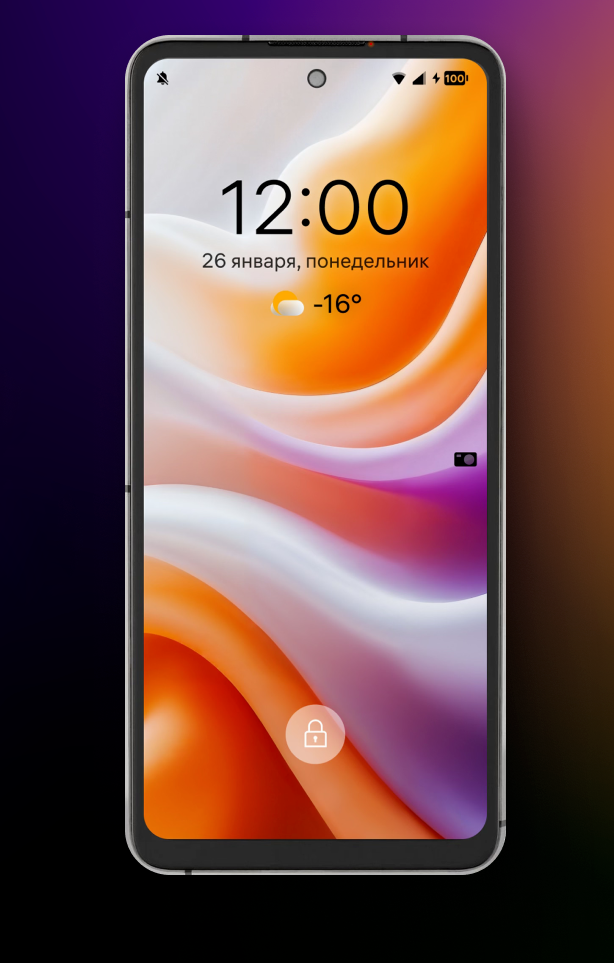
The protected mobile subscriber device «Dialog-S» from the manufacturer SA «Omega» will receive support for the current version of the trusted operating system «Aurora». This was announced by the press service of the company «Open Mobile Platform».
The «Dialog-S» smartphone in the version with OS «Aurora» is currently produced with version 5.1.6. More than 3,000 changes have been made to «Aurora» 5.2, including an updated interface and increased performance, advanced security and MDM integration features, support for PWA applications, external cameras and microphones, as well as new tools for developers.
As the manufacturer promises, «Dialog-S» is protected from leakage of acoustic and visual data through technical channels, as well as leaks due to interception of side electromagnetic radiation. It allows for open negotiations and can be operated on the territory of sensitive facilities, including in rooms where work is carried out with information constituting state secrets, up to the «top secret» classification.











