Translated with AI from the Russian original.
The Skala^r MBD.P Database Machine is a hardware and software suite designed for data processing and storage, intended to replace foreign analogues such as Oracle Exadata.
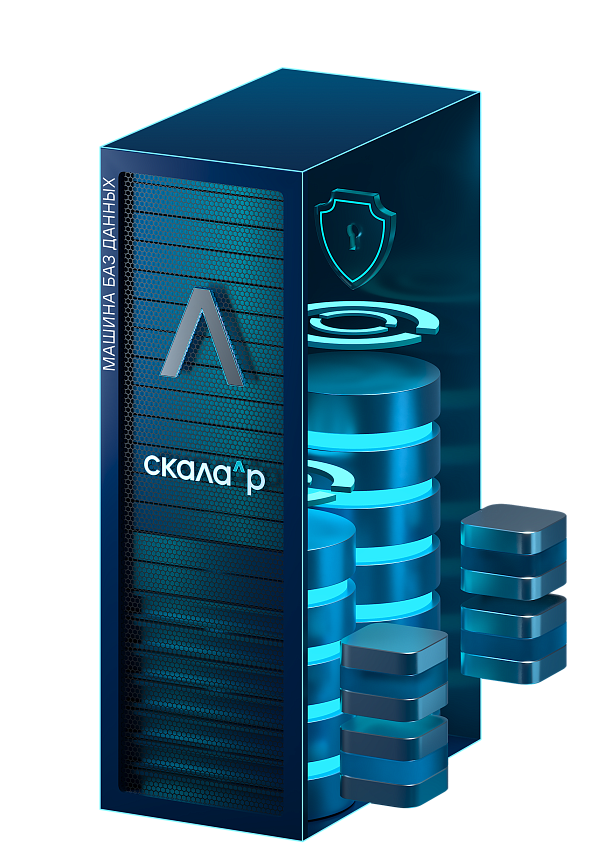
The new product was launched by Rubytech, a manufacturer of hardware and software suites and a developer of technologies for high-load IT infrastructures. The new version of Skala^r MBD.P based on Postgres Pro Enterprise demonstrates performance of up to 135,000 transactions per second according to the TPC-B benchmark test.
The key improvement is the new version of the Skala^r Spektr cluster management system, which allows managing a metro and geo-cluster. In metro-cluster mode, a database replica can be moved to another data center with minimal network delays. In geo-cluster mode, designed for geographically remote sites, switching operations are automated, which reduces the engineer's working time.
The updated monitoring system includes all the functions of the previous version of Skala^r Vizion and expands them with new monitoring panels, Postgres Pro DBMS metrics, and additional alerts.
The new version of the Skala^r MBD.P Database Machine is available for order and is compatible with the existing line of Skala^r modular platform products, including Dynamic Infrastructure, Big Data, AI, Intelligent Storage, and Backup Machines.











