Translated with AI from the Russian original.
The Russian low-code platform with built-in AI tools BPMSoft, which is part of the Lansoft IT holding ecosystem, has implemented integration with the national messenger Max.
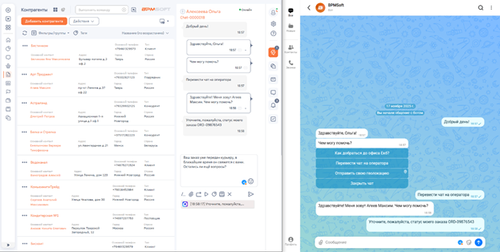
Corporate customers using the current version of BPMSoft can now connect Max in the "Omnichannel Communications" (OCC) module.
The "Max for BPMSoft OCC" application is published in the vendor's application store and is available for download. For correct operation, it is also necessary to update the OCC connector, which includes all components for integration with Max. Currently, messenger support works for on-site OCC deployments (on the organization's own equipment); the ability to connect for cloud installations will appear in the first quarter of 2026.
The mechanism for connecting Max to BPMSoft is similar to integrations with other messengers. You need to register on the Max platform for partners, create a chatbot and pass moderation. After receiving the token, access becomes active in BPMSoft.
Contact center employees can use all Max tools in the interface of the familiar OCC working environment: chatbots, translation of the dialogue between the bot and the operator, scenario analytics, automatic creation of leads, contacts and requests, sending files, geo-tags and links, as well as multilingual communication scenarios.