Translated with AI from the Russian original.
The target audience of the "RTK Sharing" project is businesses with distributed teams and companies using a remote work format.
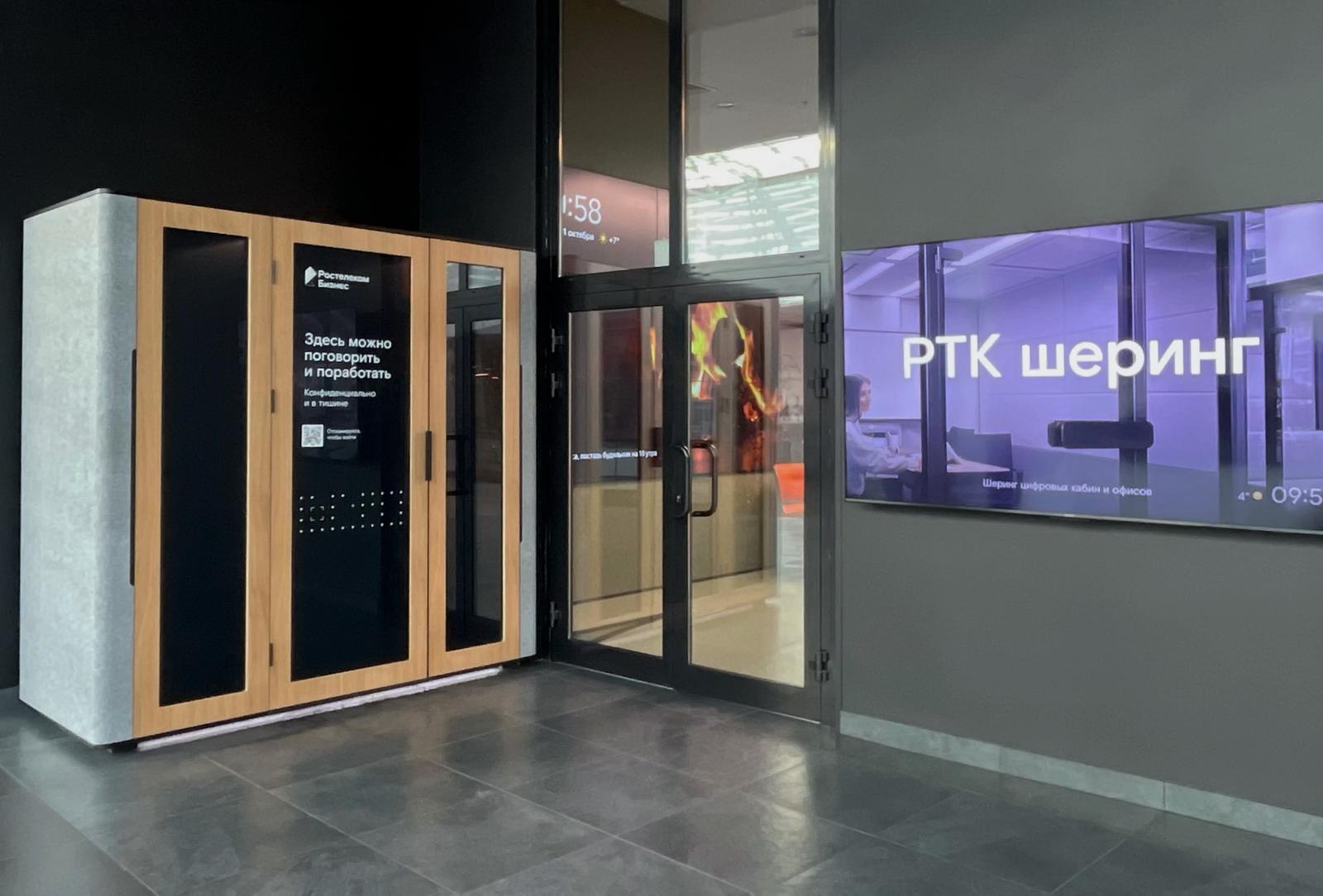
The digital office in "RTK Sharing" is a private workspace with the possibility of short-term flexible rental for companies. According to Rostelecom, this ensures confidentiality and comfort that are not available in classic coworking spaces.
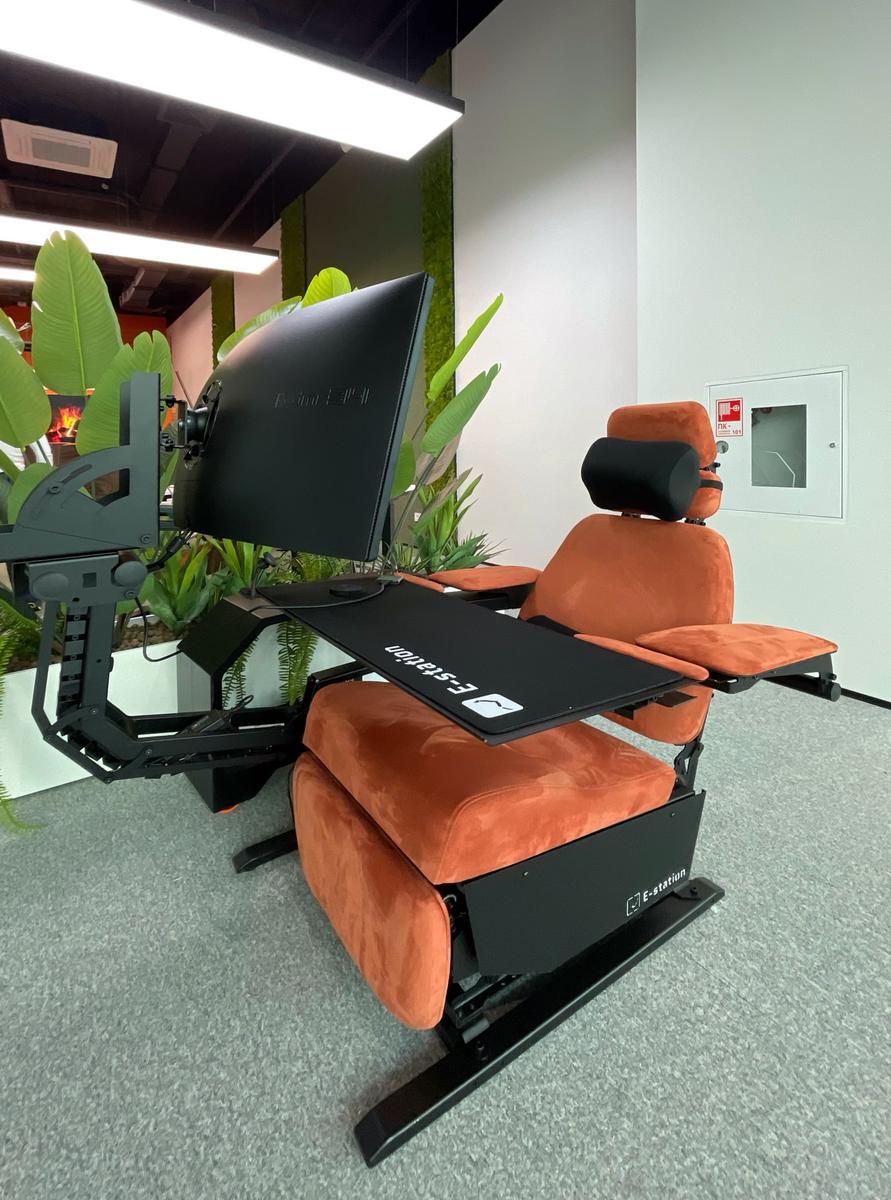
Companies can rent offices for two or three days a week, for example, to hold meetings or synchronize remote teams, or for longer periods. The rental process is automated: you can choose an office, book it, and sign a contract in the application.
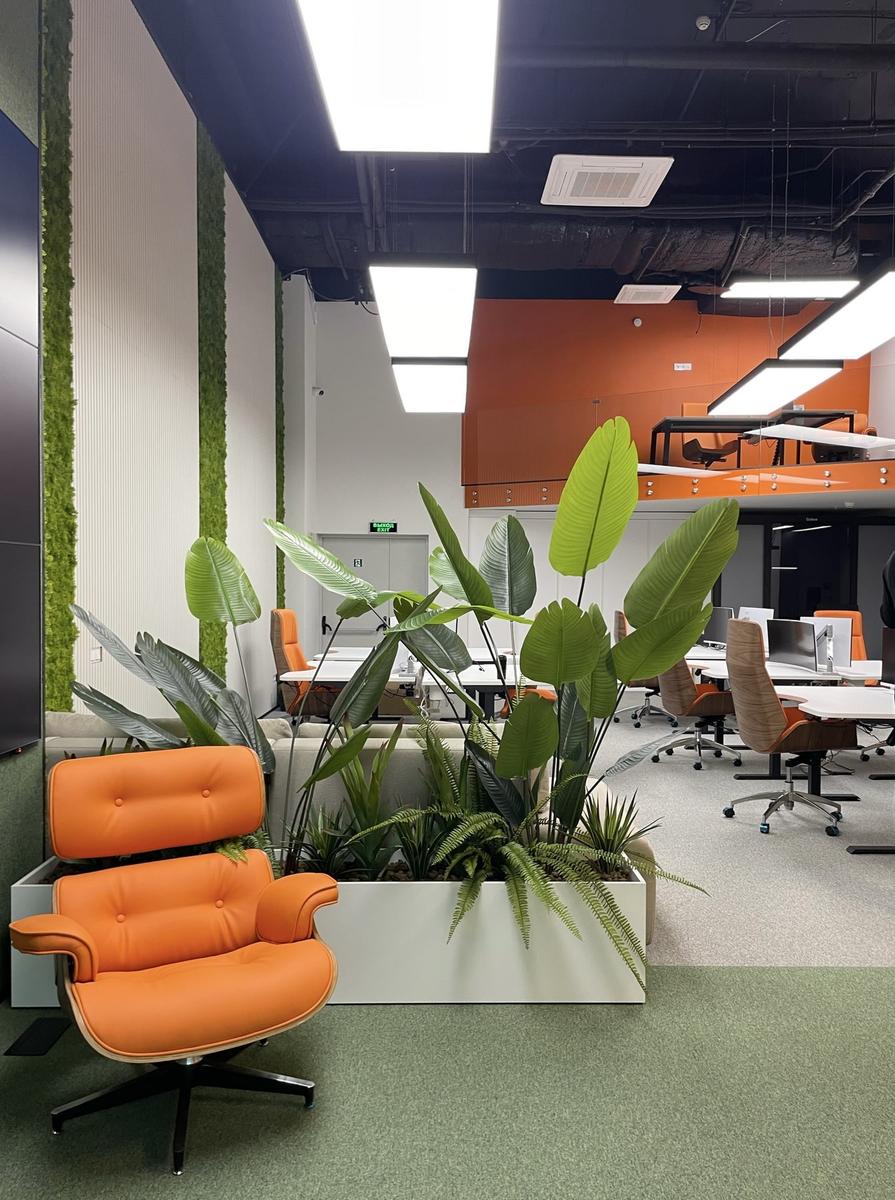
Rostelecom opened its first such office in the Mozaika shopping center in Moscow. Each workplace is equipped with furniture, necessary equipment, and connected to high-speed Internet. In addition to high-tech workplaces, it has specialized areas for meetings, presentations, and negotiations, as well as a fully equipped recording studio where you can record podcasts, interviews, and conduct streams.
Rostelecom plans to develop the project not only as its own product, but also under a franchise. Placement is planned in shopping centers, where employees have the necessary shops, food courts, fitness clubs, MFCs and other services nearby.











