Translated with AI from the Russian original.
More than three thousand changes have been made to Aurora OS 5.2.0. Early testing will allow developers to evaluate the functionality of the new version and key changes in advance.
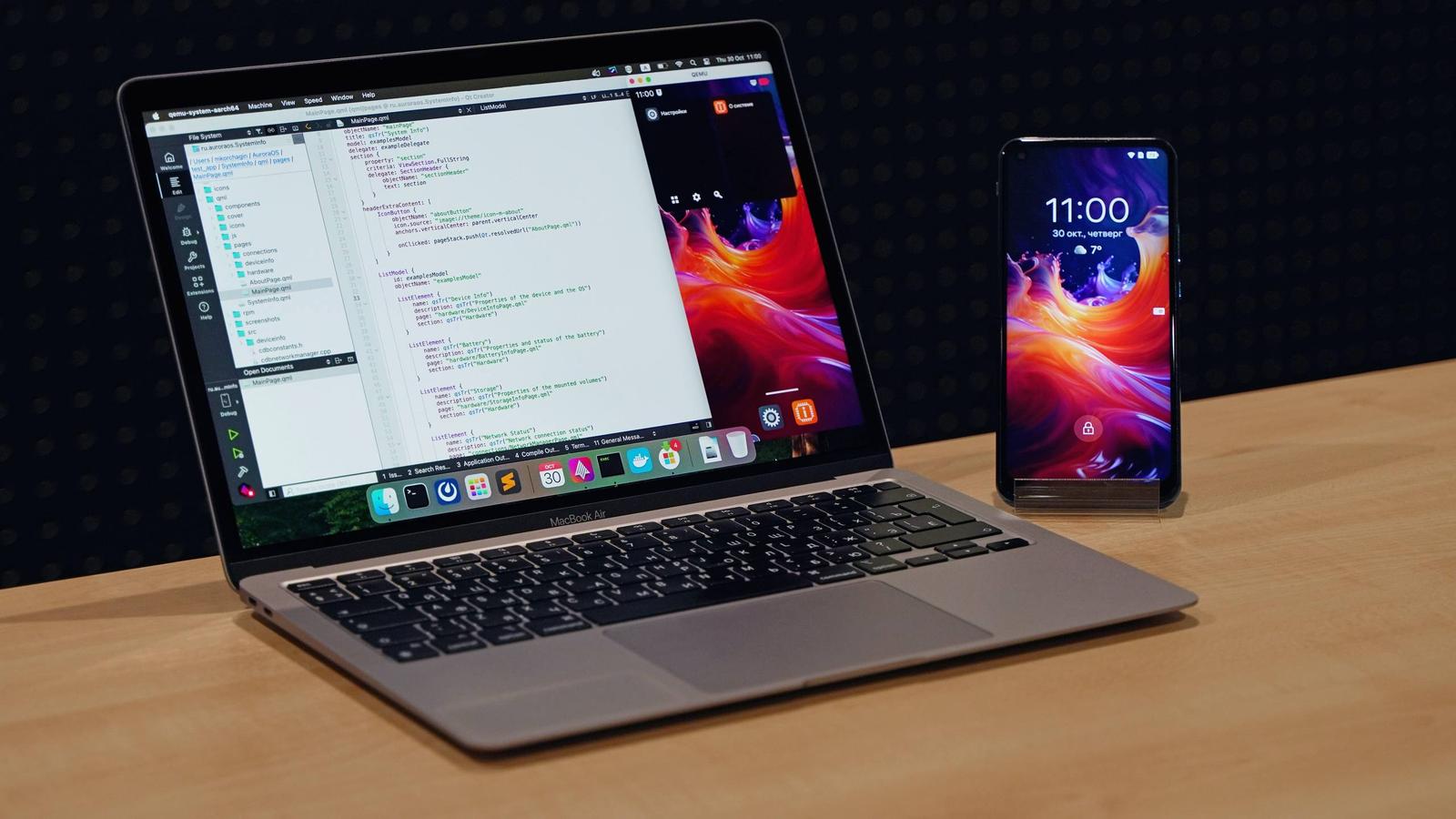
Open Mobile Platform has provided its developer partners with access to Aurora OS Developer Preview 5.2.0. In the update, developers focused on improvements in performance, security, privacy, and personalization of the user experience.
OS 5.2.0 includes the new Aurora Browser version 2.0 based on Chromium and adds support for PWA applications. It is now possible to enable an alternative way to navigate and control applications - via buttons that repeat the control gestures on the unlocked screen. A new gesture has been added for applications - the familiar "pull down to refresh".
Aurora OS 5.2 implements a hybrid mode that allows you to work in desktop mode when an external monitor, mouse, and keyboard are connected. The OS interface and usage scenarios have been adapted for use on a large screen and control with a mouse and keyboard. The ability to work with an Ethernet connection as a standard network interface has been added. And these are just some of the improvements and enhancements.











