Translated with AI from the Russian original.
The marketplace will deliver orders from online stores using a new service. Customers of online stores whose products are also available on the marketplace will be able to receive their orders at a pickup point near their home.
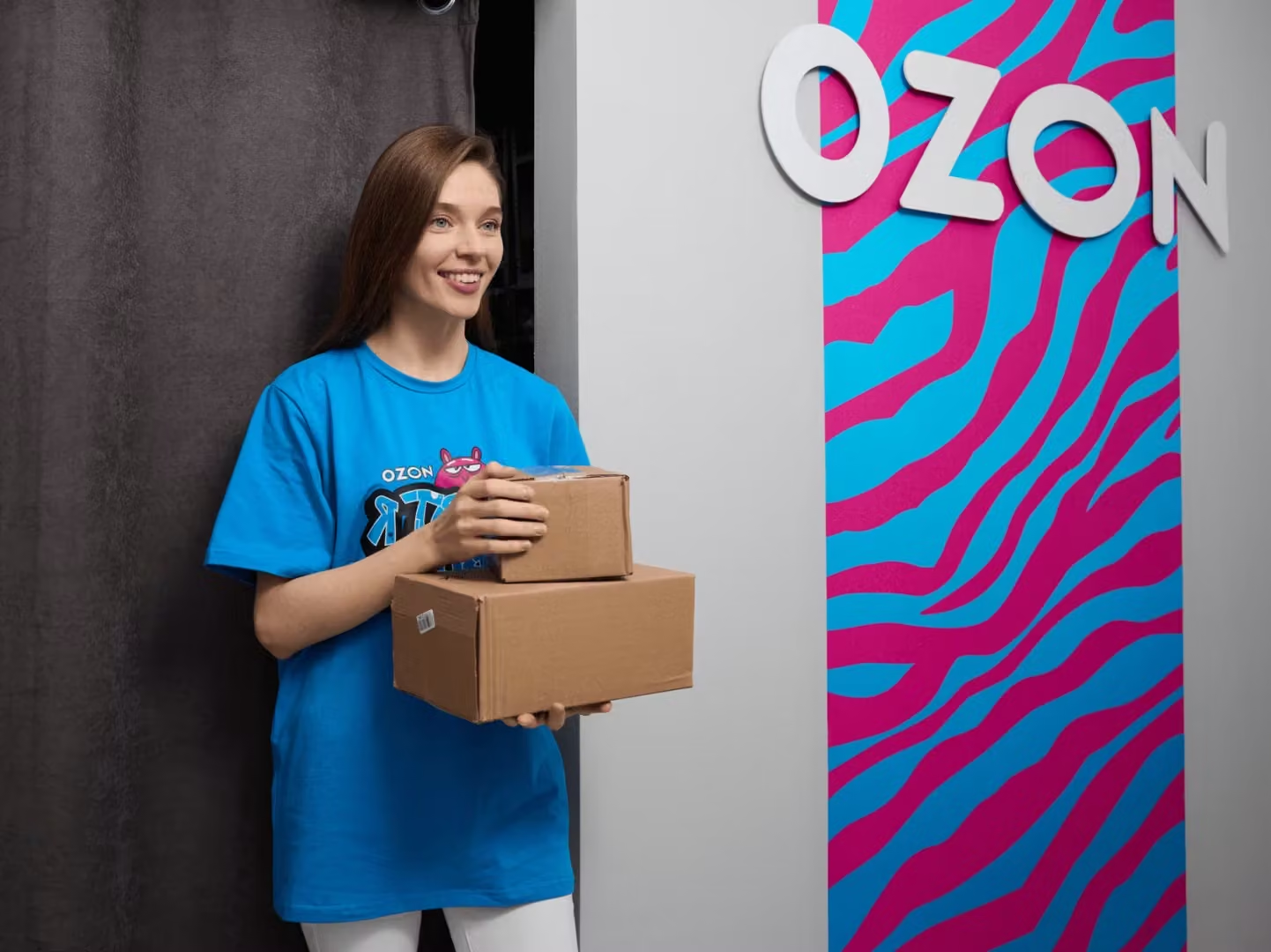
Companies that cooperate with Ozon and also develop their own online store will be able to offer customers delivery of goods to pickup points, parcel lockers, or by courier of the marketplace. These methods of receiving goods will be available to buyers when placing an order on a website connected to the "Ozon Logistics" service.
Sellers who place goods in their own warehouses or fulfillment centers of the marketplace will be able to use Ozon logistics to deliver orders from their website. Ozon will only be able to deliver to customers items that are also available on the marketplace and in the seller's online store.
Ozon is currently testing the new service with a group of sellers, but after a while other partners of the platform will be able to connect to it. To do this, the seller will need to configure the data transfer between the platform and the online store.











