Translated with AI from the Russian original.
Red Soft has confirmed the compatibility of the Linux distribution of the domestic messenger Max with the Red OS operating system.
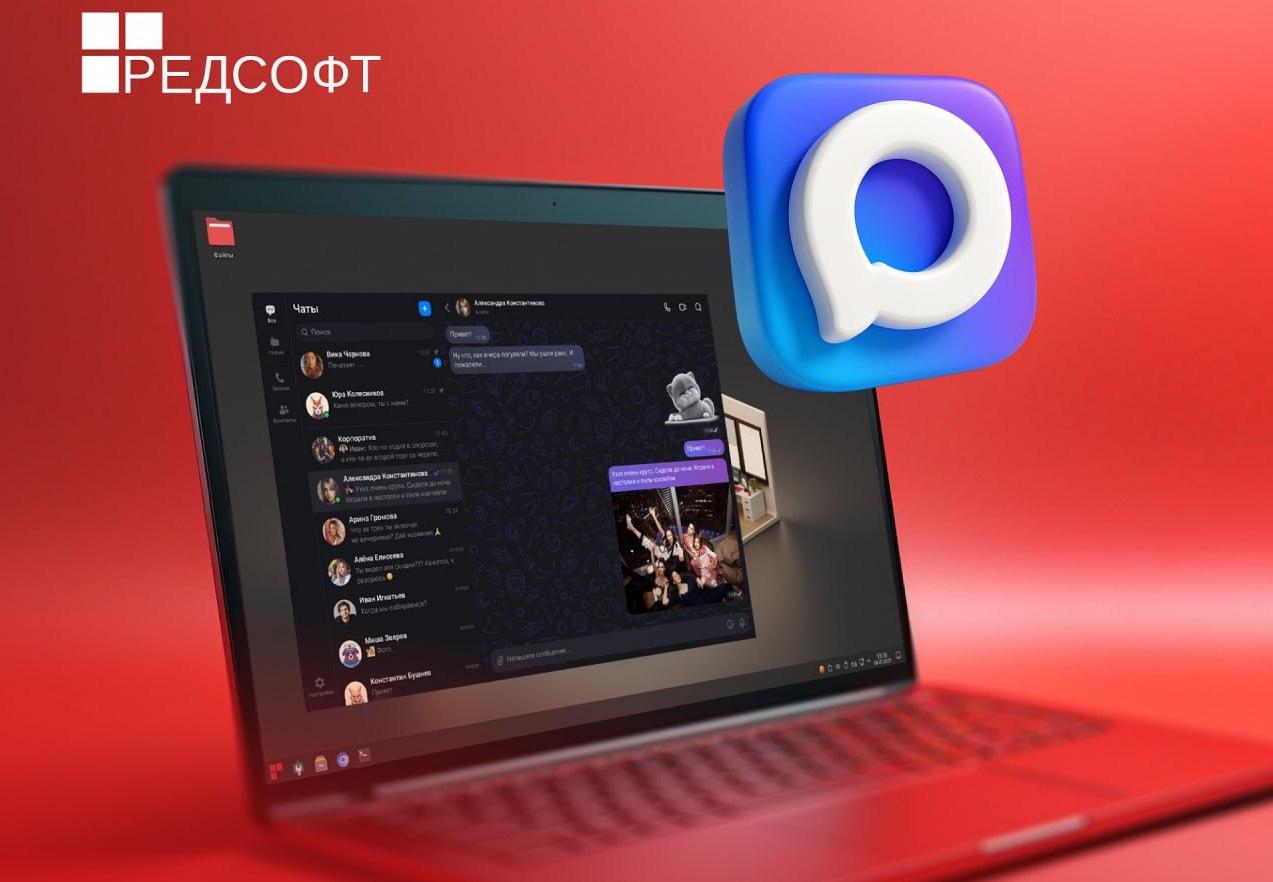
Max can be installed on Red OS 8 and 7.3. As emphasized by Red Soft, the declared functionality of the messenger works stably. Users can log in to a previously created account, exchange messages, and make calls.
Instructions for installing and using Max are available in the Red OS knowledge base: for version 8 and version 7.3 respectively.
As a reminder, Max is a digital platform from VK that integrates a messenger and a range of user services. The messenger offers audio and video calls, chats, voice messages, sending large files, money transfers, and information channels are in test mode. Business services in the form of mini-applications and chatbots are integrated into the platform. The application is included in the register of Russian software. Max is available in mobile, desktop, and web versions. From September 1, 2025, the Max messenger must be pre-installed on all smartphones and tablets sold in Russia. In August, the number of registered users in Max exceeded 18 million, in early September - 30 million, and in the middle - 35 million.











