Translated with AI from the Russian original.
\"Tochka Bank\" offers a new service on the 24AI platform.
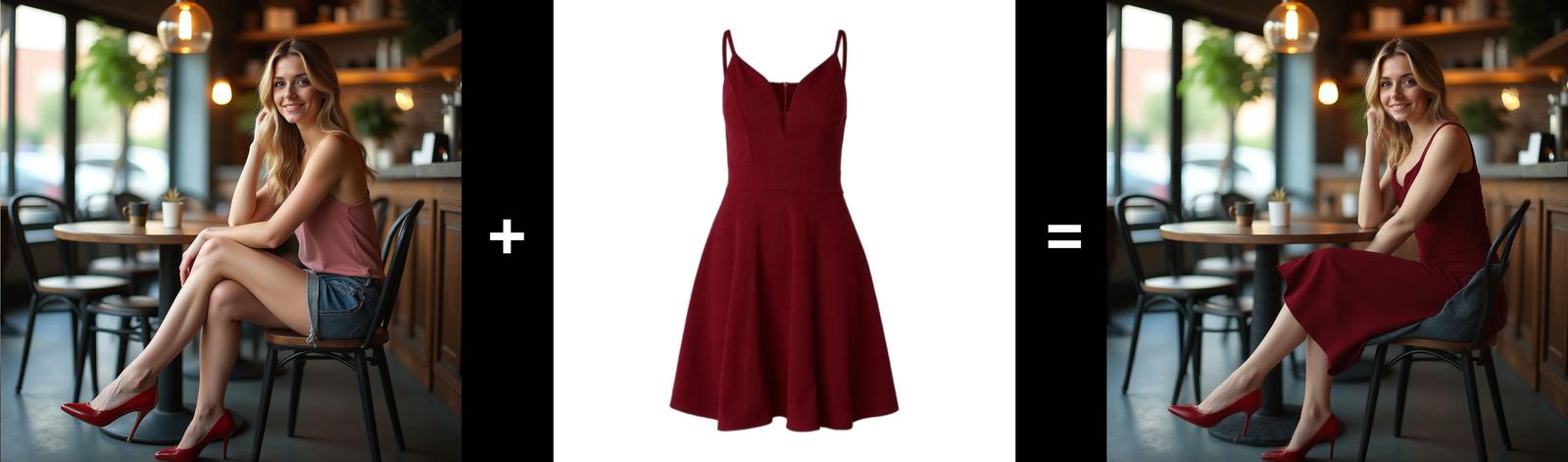
The technology allows sellers and online stores to create photorealistic images of clothing on models without losing image quality. The bank noted:
According to the service's estimates, AI try-on reduces the cost of creating product cards with clothing by 50-100 times compared to traditional production. With the classic approach, one shoot to prepare content requires a team of photographer, model, retoucher, designer, and a rented studio, which on average costs the business 27-30 thousand rubles.
AI try-on helps to reduce the time to launch new products for sale: generating one image takes up to two minutes. It is enough to upload a photo of the clothes - separately or on a person. The neural network itself will determine what is worn and suggest which items to try on the model.
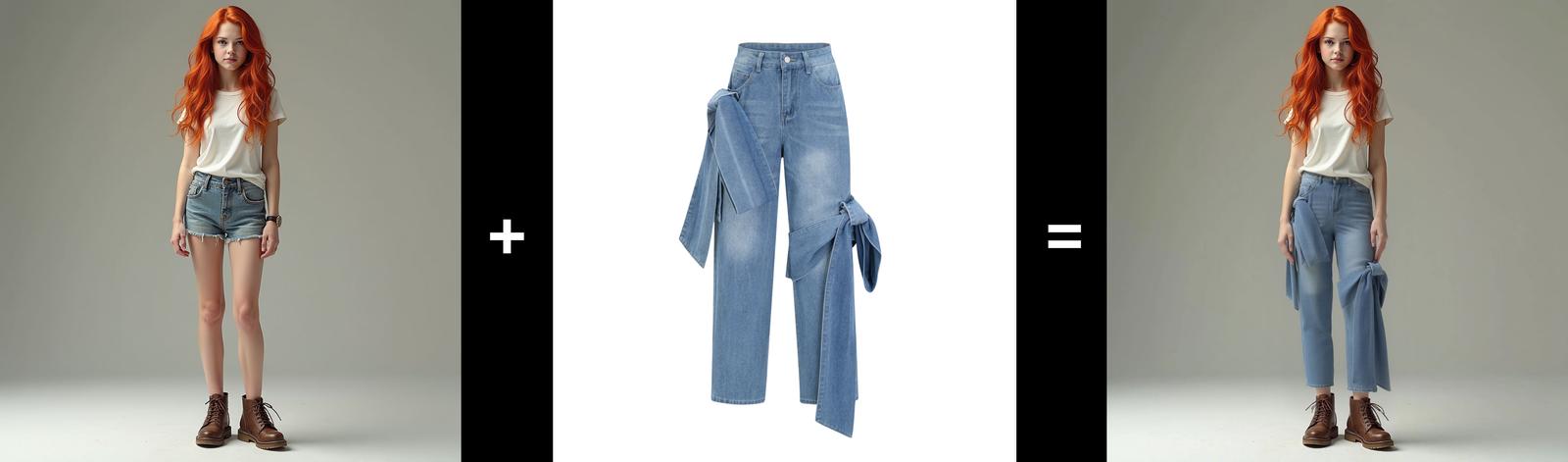
You can upload a photo of the model from your device, select from the built-in library, or generate it according to parameters, choosing a face, pose, and background. Then it remains to click \"generate\" - and the clothes will be displayed on the model. Generated images are saved in the gallery.
As the developers promise, the clothes look natural even if the angles do not match - for example, if the item is photographed frontally, and the model is generated in a half-turn.