Translated with AI from the Russian original.
Free access to Tiles API is now available, a tool that allows embedding map fragments into websites, mobile applications, or CRM systems.
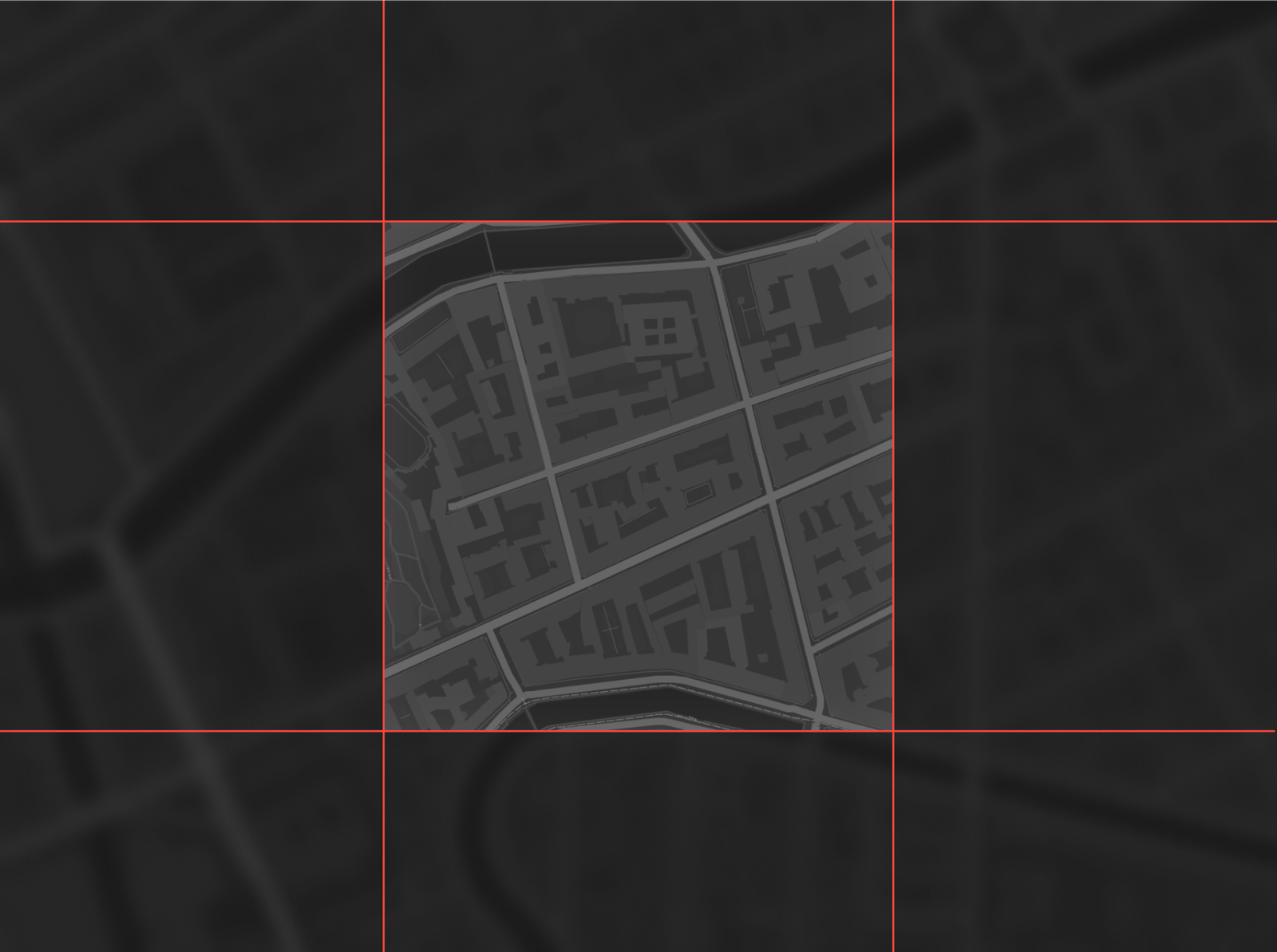
Tiles API allows loading only the necessary map sections, which saves traffic and does not require high computing power. The map can be zoomed and scrolled, and with additional tools, points of interest can be overlaid and route lines displayed.
Yandex stated:
The free Tiles API will help solve problems primarily for small companies from various industries, from e-commerce to services, as well as non-commercial or educational projects. For example, a chain of beauty salons can embed a map on their website and mark their branch network, and a manufacturer of smartwatches can upload a map base to a gadget to display the user's route. By integrating a map layer into a CRM system, a logistics company can structure customer orders on it.
In addition to Tiles API, Yandex Maps offers other open tools. For example, Geoanalytics for analyzing the business potential of city districts, free organization card functions for attracting customers, and a portion of the Yandex Maps API products within certain limits for solving tasks related to navigation and routing.











