K2 NeuroTech (an independent division of K2Tech specializing in supercomputer and AI solutions) presented the PAAC-AI software and hardware complex at the CIPR-2025 conference, which allows for the rapid integration of artificial intelligence into the existing IT environment in accordance with the organization's requirements and security policy. The ready-made solution covers all levels for AI deployment - from computing infrastructure to AI services and user tools.
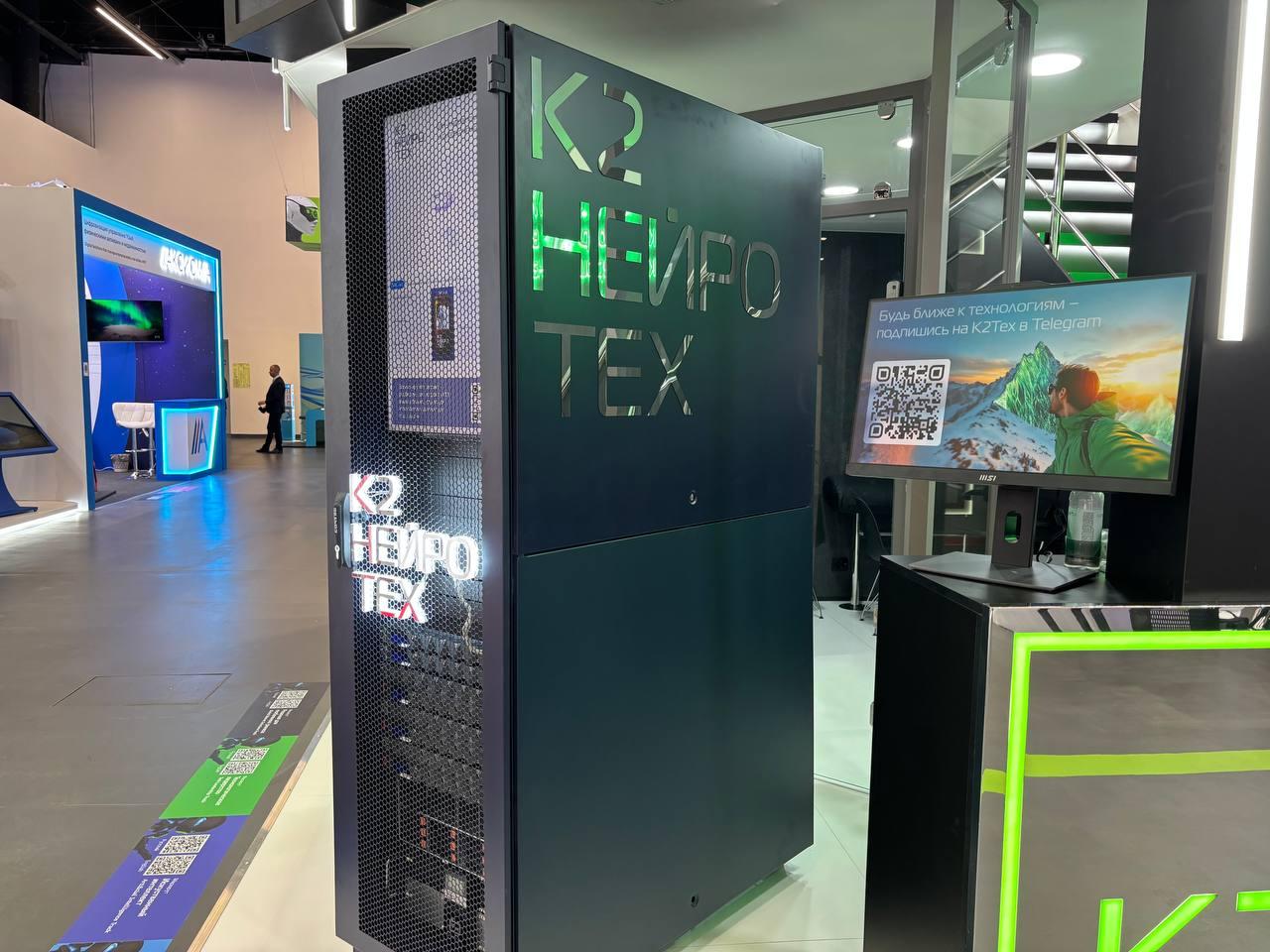
PAAC-AI is a multi-level system and includes hardware, a software platform, as well as application tools for working with data and AI models, prompts, visualizations, API integration, and so on.
The software and hardware complex demonstrated at CIPR is assembled on the basis of server equipment from the Russian manufacturer Yadro: six servers, including an AI server with eight graphics processing units (GPUs) and Kornfeld network switches. All components are tested for compatibility and are ready for high loads.
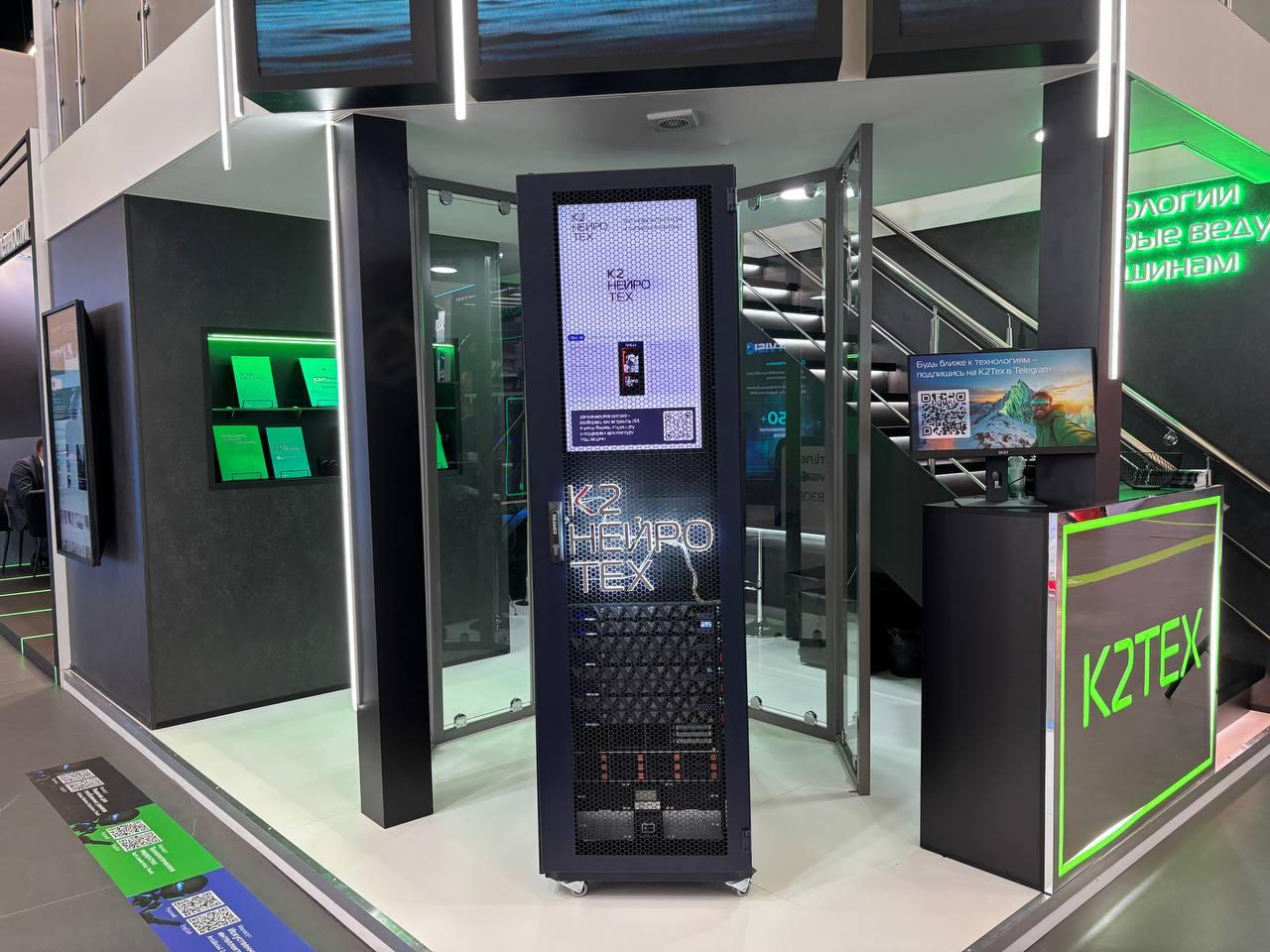
As emphasized by K2 NeuroTech, the solution ensures independence from the vendor, since you can use servers from other domestic (Graviton, Aquarius, Open Yard), as well as foreign manufacturers. There are opportunities for scaling both horizontally and vertically: you can increase the number of server racks or change components inside one rack to more productive ones
PAAC-AI is managed through a portal - a specialized platform with a graphical interface. The platform operates with two types of resources - virtual machines with GPUs for isolated tasks and containers in Kubernetes to ensure flexibility and scalability.
The application layer of the platform is a catalog of ready-made agents and models developed by the K2 NeuroTech team. It includes solutions based on both open source and vendor models, including YandexGPT mini, GigaChat lite, DeepSeek, Llama, Qwen and others.
PAAC-AI is implemented in the format of IaaS (provision of computing resources as a service), PaaS (application marketplace for ML teams, where each specialist gets access to the necessary infrastructure and services), SaaS (access to pre-installed applications from third-party vendors). It also allows you to organize the AI as a Service (AIaaS) service for internal users who can use LLM models and agents to perform business tasks.