Translated with AI from the Russian original.
The new product can be used, among others, by government agencies and companies with state participation. It provides access to the Russian mobile operating system with built-in support for Android and Linux applications, which works without GMS (Google Mobile Services), supports desktop PC mode and provides a high level of information protection.
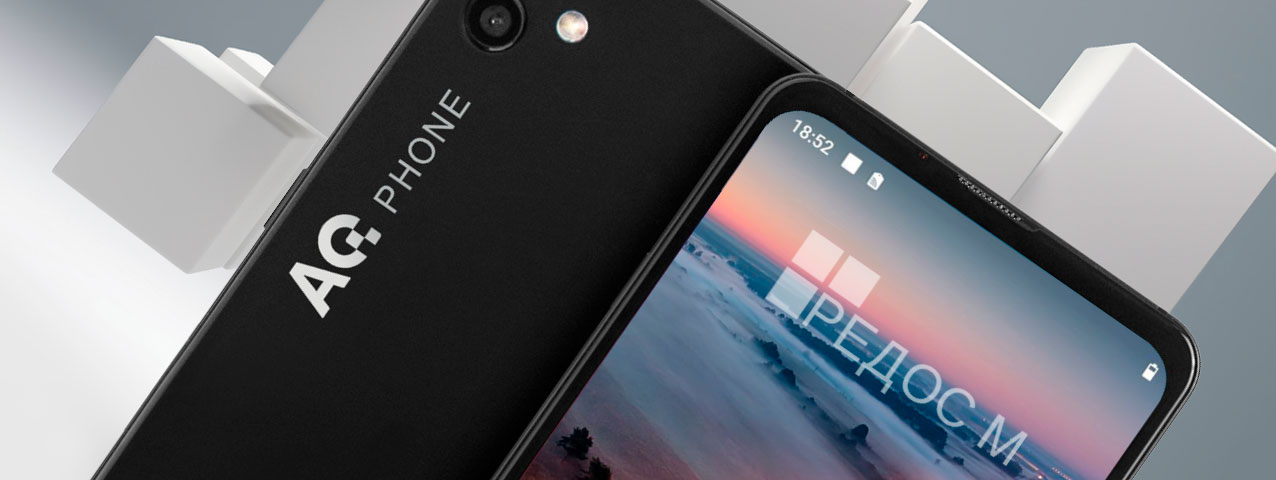
The production of AQ Phone M11 is controlled by Russian engineers from "TP Labs", and the mobile operating system "Red OS M" is a completely Russian development based on the AOSP (Android Open Source Project) project with compilation of all libraries on the "Red Soft" servers, and is included in the register of Russian software of the Ministry of Digital Development of Russia.
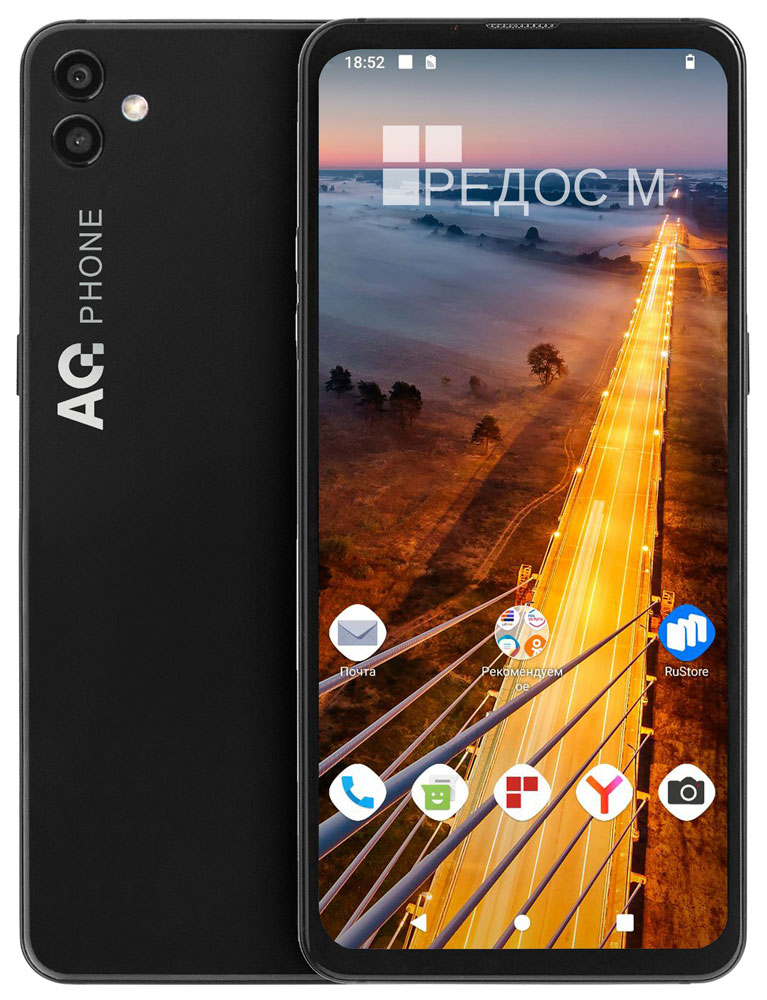
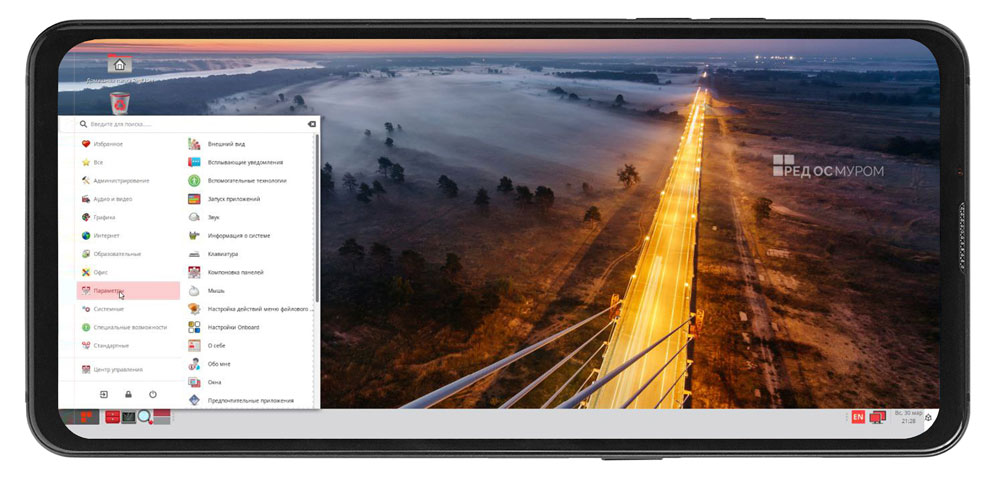
"Red OS M" differs from other mobile OSs in that it combines two modes of operation in one device: mobile and desktop. In mobile mode, users get a familiar interface and the ability to run Android applications without emulation. In desktop mode, the device operates in RED OS Mode, allows you to connect a mouse, keyboard and display, as well as use Linux applications.
The main features of AQ Phone M11 include a 6.67-inch IPS screen with a resolution of 2400 x 1080 pixels, a 16 MP camera, a MediaTek Helio P35 SoC, 4 GB of RAM and 64 GB of built-in flash memory with the possibility of expansion using microSD cards, support for NFC and 4G LTE, and a 5000 mAh battery. The smartphone is offered for 19 thousand rubles.











