Translated with AI from the Russian original.
Aerodisk has updated the functionality of the Engine AQ Lite storage system solution. Initially created for small and medium-sized businesses, the updated Engine AQ Lite now combines affordability with functionality previously characteristic of higher-end systems.
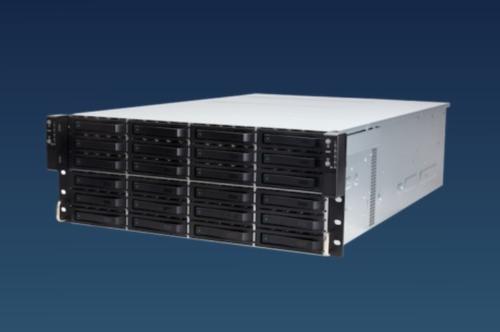
An important innovation is the ability to scale the system - thanks to the support of additional disk shelves, the total capacity of the storage system can reach 180 disks (24 +78+78). This allows solving problems that traditionally required mid-range solutions - scaling video surveillance systems or organizing the operation of large data archives. In addition, increasing the number of disks in hybrid configurations will increase the overall performance of the system.
Support for the 32 Gb Fibre Channel interface makes the system relevant for modern IT infrastructure operation scenarios in Russia. Basic system configurations also include four 10/25 Gb SFP+ Ethernet ports.
Special attention is paid to service support. Now, each system delivery by default includes commissioningby Aerodisk engineers. Extended five-year technical support for IT infrastructure is provided.
The company's immediate plans include further optimization of the hardware platform to reduce the cost of the system and a multiple increase in the performance of all-flash configurations.











