Translated with AI from the Russian original.
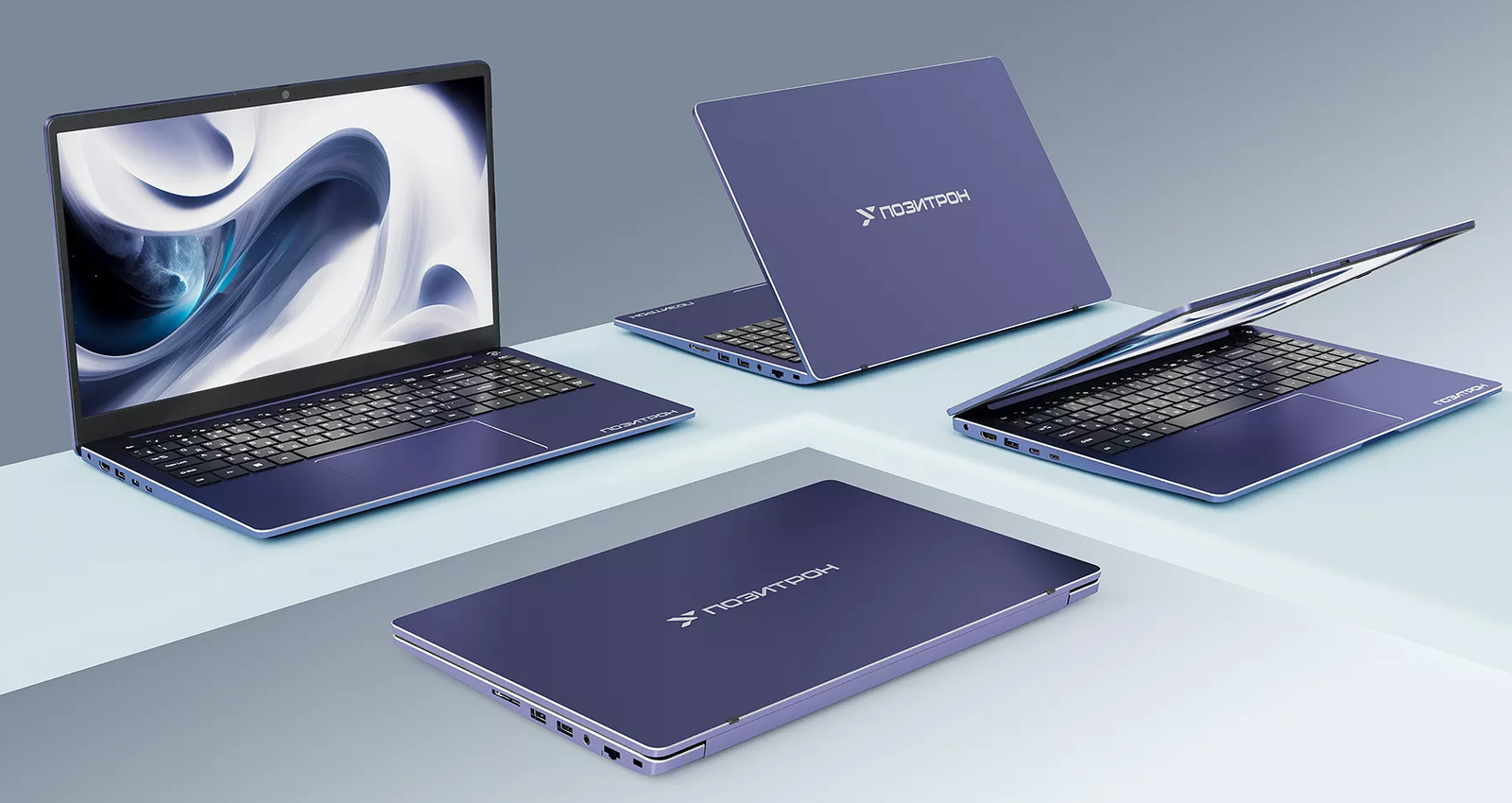
Russian manufacturer LNPO Positron and developer STC IT ROSA have tested the compatibility of the domestic Positron Proxima 15 laptop with the corporate ROSA "Chrome" 12 OS.
The tests confirmed that the device fully supports the functionality of ROSA "Chrome" 12 OS, ensuring stable and secure operation in corporate IT infrastructures.
STC IT ROSA said:
Using ROSA "Chrome" 12 on Proxima 15 laptops opens up new opportunities for business and government organizations. The operating system guarantees reliable data protection, reduces dependence on foreign software, and meets high information security requirements.
ROSA "Chrome" 12 is an operating system for computers and servers, created on the basis of its own ROSA 2021.1 repository. The repository was created for more than 10 years in Russia and has become one of the largest in the world, including more than 35,000 applications and components. ROSA "Chrome" OS is included in the unified register of Russian software of the Ministry of Digital Development, Communications and Mass Media of the Russian Federation under No. 1607.
Positron Proxima 15 is a high-performance corporate laptop designed for the needs of business and government structures.











