Translated with AI from the Russian original.
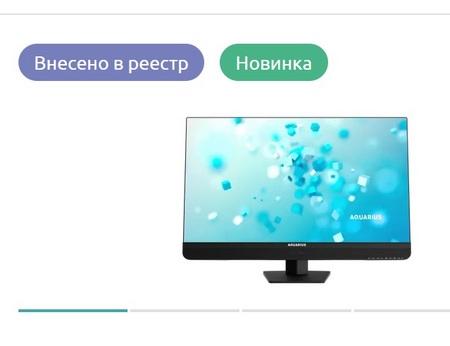
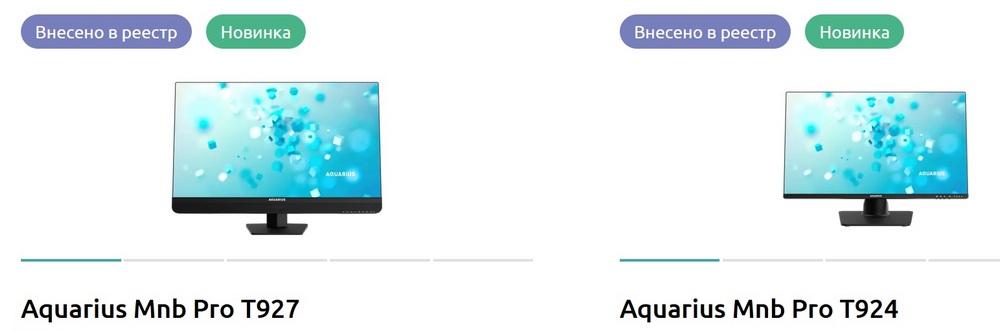
Aquarius PC has released the first domestic desktop computers and monoblocks with the 14th generation of i5-14400 and i3-14100 processors. These are the compact computers Aquarius Pro P30 K51, Aquarius Pro P30 K50 and monoblocks Aquarius Mnb Pro T924 and Aquarius Mnb Pro T927, which are included in the register of the Ministry of Industry and Trade
The company's engineers have developed the BIOS of the Aquarius AQH610T motherboard, thanks to which, in addition to the 12th and 13th generations of processors, full and efficient operation of the 14th generation is now ensured.
“The launch of production of domestic computers with the 14th generation of processors, which are included in the register of the Ministry of Industry and Trade, is an important step not only for the company, but also for the entire Russian IT market. The ability to produce such devices allows us to quickly respond to changes in the IT field and claim Aquarius' technological leadership,” commented Nikolai Petrov, Director of the Department for the Development of Client Devices of the Aquarius Group of Companies.
Updated devices are now available for order from authorized partners.











