Translated with AI from the Russian original.
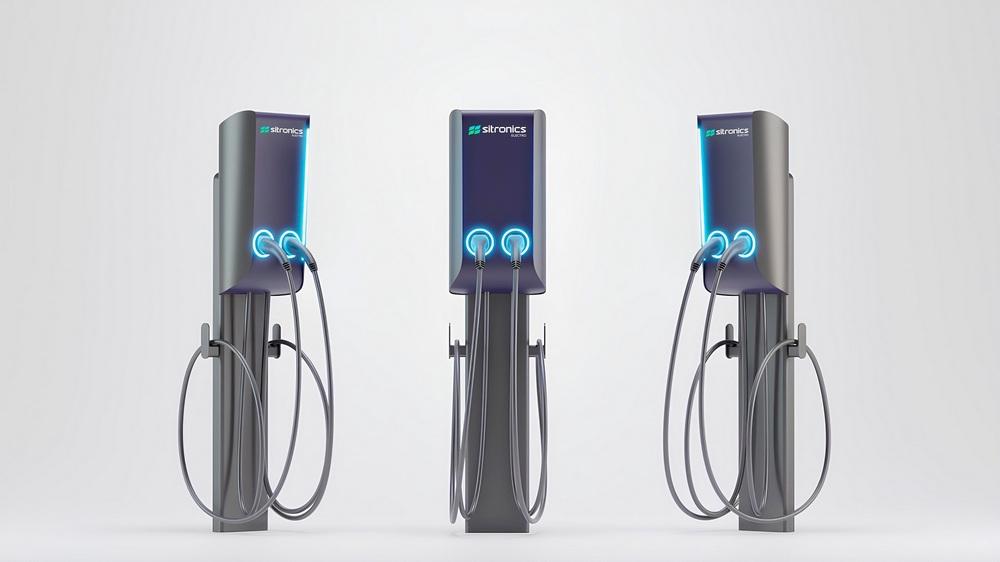
Russian electric charging infrastructure operator Sitronics Electro (part of Sitronics Group) has launched mass production of slow charging stations for electric vehicles. The operator offers different configuration options: the front panel can be made of metal or tempered glass, there are options for choosing the number of connectors and their standards, choosing the color of the indicators, as well as the type of mounting - floor-standing or wall-mounted. The stations also allow for full customization in the customer's corporate style.
"Today, the demand for charging equipment of Russian production continues to grow. At the moment, pre-orders have been placed for more than 100 stations. Among the buyers are owners of commercial real estate and from the HoReCa segment, developers and energy companies. In addition, there are requests for the purchase of stations for personal use," says Nikolai Samokhin, Commercial Director of Sitronics Electro.
The operator announced the launch of the development of its own equipment for charging electric vehicles last summer. The line will include stations of two types – slow (AC) and fast (DC) – with a capacity of 22 to 150 kW. The station design was developed by the "Art. Lebedev Studio". The company plans to present a prototype of a fast charging station in the summer.